 Bradenton Siding
 Anna Maria Island sits right at the edge of the Gulf, and that location is exactly why homes there age differently than homes even a few miles inland in Bradenton or the rest of Manatee County. Salt-laden air, near-constant humidity, direct sun for most of the year, and the real possibility of hurricane-force wind and wind-driven rain all combine to put more stress on exterior materials than almost anywhere else in the region. Siding that performs fine in a shaded inland neighborhood can fail years early on the island. We approach island homes as their own category of project, not a standard Bradenton job with a longer drive.
What the Island Climate Actually Does to a House
It helps to understand the specific mechanisms at work, because they explain almost every siding decision that follows.
Salt Air and Corrosion
Airborne salt doesn't just sit on the surface of a wall — it works its way into fasteners, trim joints, and any seam where two materials meet. Over time it accelerates corrosion of metal components and breaks down finishes that aren't formulated to resist it. This is the single biggest difference between building on Anna Maria Island and building a few miles inland.
UV Exposure
Florida sun is intense everywhere, but a barrier island with few obstructions gets nearly unfiltered exposure most of the day. UV breaks down pigments and resins in paints and coatings, which is why so many products that look fine in a showroom fade, chalk, or crack within a handful of years once they're actually installed on a Gulf-facing elevation.
Wind and Wind-Driven Rain
Manatee County sees tropical systems and seasonal storms that push horizontal rain against walls at speeds that force water into gaps a normal rainstorm never would. Siding on the island has to shed that water at the surface and manage it at every seam, because wind pressure differentials can also pull moisture into the wall assembly if flashing and installation aren't done correctly.
Humidity and Moisture Cycling
Constant humidity means wall assemblies rarely get a chance to fully dry out. Materials that absorb moisture and don't release it efficiently stay damp longer, which is where rot, mold, and swelling start — especially at butt joints, corners, and anywhere caulking has failed.
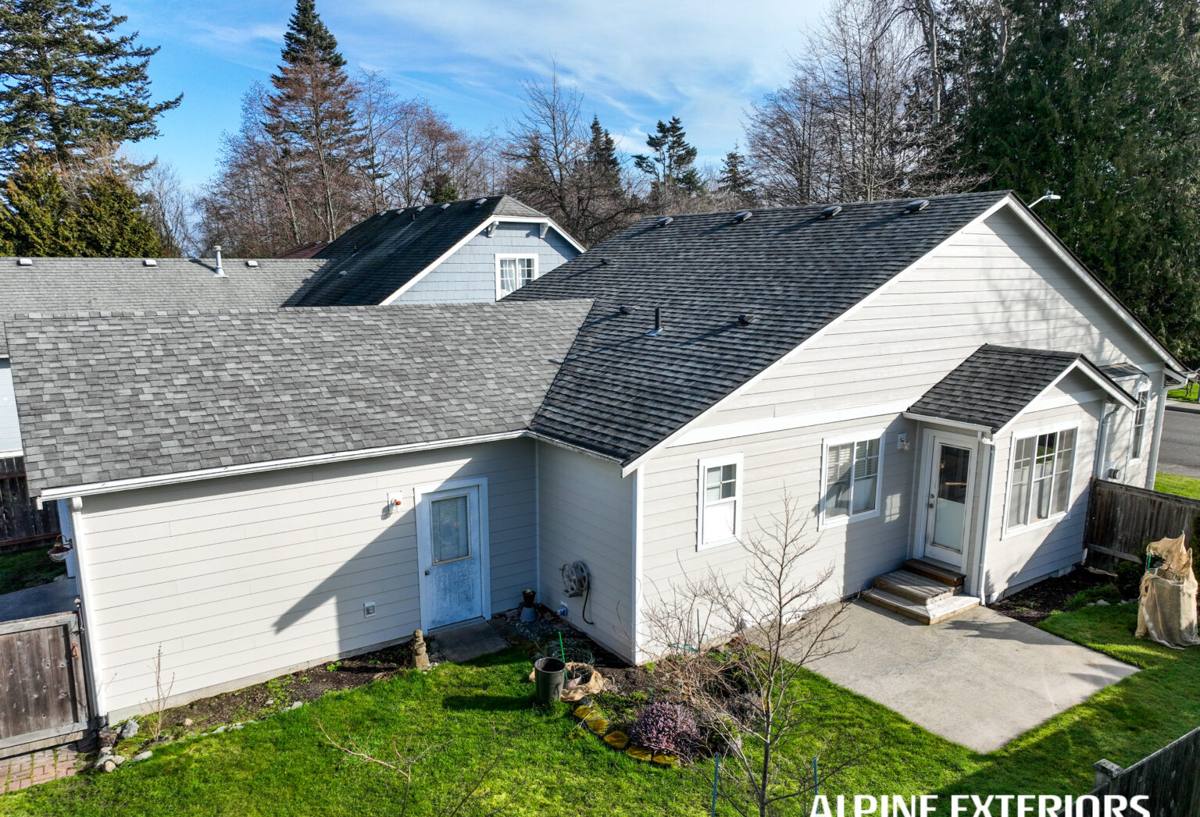
Why We Install Only James Hardie Fiber Cement
We stopped offering vinyl, LP SmartSide, primed wood, and other engineered wood products years ago, and island homes are a big part of why. Vinyl can warp and become brittle under sustained UV and heat, and it offers little resistance to wind-driven debris. Engineered wood products rely on a factory coating and careful field sealing of every cut edge to keep moisture out — miss one edge, and that's where rot starts, and salt-air humidity gives it every opportunity. These aren't manufacturer failures so much as trade-offs that show up hardest in exactly this kind of environment.
James Hardie fiber cement is non-combustible, dimensionally stable in heat and humidity, and doesn't feed rot the way wood-based products can. It's a mineral-based product — sand, cement, and cellulose fiber — so it doesn't swell, delaminate, or become brittle the way organic or vinyl materials do under sun and salt exposure. That's the core reason it's the only siding we put on homes, whether we're working on the island or three miles inland in Bradenton.
ColorPlus Factory Finish
Hardie's ColorPlus finish is baked on in a controlled factory environment and backed by its own finish warranty, rather than relying on a field-applied coat of paint that has to cure correctly on-site and hold up against direct salt spray from day one. For a home this close to the water, a factory-cured finish is a meaningfully different proposition than paint applied on a ladder in coastal humidity.
HZ5 Panel Selection
Hardie engineers its panels by climate zone, and Anna Maria Island falls squarely into the specification that calls for their HZ5 line, built for hot, humid, moisture-heavy climates. Choosing the right HZ product isn't a marketing detail — it affects how the panel is engineered to handle moisture cycling over decades of exposure.
Comparing Siding Options for a Barrier Island Home
| Material | Salt Air / Corrosion | UV / Fade Resistance | Wind & Impact | Long-Term Maintenance |
|---|---|---|---|---|
| James Hardie Fiber Cement (HZ5) | Strong — mineral-based, doesn't corrode | Factory ColorPlus finish holds color for years | Rated for high-wind installations | Low — occasional wash, repaint on a much longer cycle |
| Vinyl Siding | Fasteners and trim pieces can corrode over time | Prone to fading and chalking in intense sun | Can crack or blow off in high wind | Low upfront, but early replacement is common near the coast |
| LP SmartSide / Engineered Wood | Cut edges vulnerable if not fully sealed | Coating can wear, exposing substrate | Adequate when installed correctly | Moderate — edge sealing and caulk need regular inspection |
| Primed Wood / Cedar | Absorbs moisture, no inherent corrosion resistance | Requires repainting or restaining on a short cycle | Can split or warp under wind-driven rain | High — most maintenance-intensive option in this climate |
Installation Details That Matter More on the Island
Fiber cement performs the way it's rated for only when it's installed correctly, and that matters more here than almost anywhere else in Manatee County.
- Stainless steel or coated corrosion-resistant fasteners, not standard galvanized, to stand up to sustained salt exposure
- Correct nailing patterns and clearances so panels can handle wind uplift without working loose over time
- Proper flashing and water-resistive barrier detailing at every window, door, and penetration, since wind-driven rain finds any gap left in the assembly
- Caulking only where Hardie specifies it — over-caulking traps moisture just as poorly as skipping it
- Correct clearance from grade, decks, and roof lines so splashback and standing water don't sit against the bottom course
- Cut edges sealed and finished according to manufacturer specification, since exposed edges are where moisture problems start
These aren't optional refinements — they're the difference between siding that reaches its expected lifespan and siding that develops problems in year five or six. A crew that treats an island installation like any other job will miss details that only show up after a few storm seasons.
Why a Local Crew Matters Here
Working on Anna Maria Island isn't the same as working a standard subdivision lot. Access can be tighter, permitting and inspection expectations reflect the flood zone and wind-load requirements specific to barrier island construction, and material staging has to account for a smaller footprint than an inland job site. A crew that regularly works the Bradenton and Manatee County coastline already knows how local building department requirements apply to island properties, understands the wind-load and flood-zone considerations tied to island construction, and isn't learning those lessons on your home.
Local experience also means faster, more realistic scheduling. Storm season affects material availability and crew logistics across the whole region, and a contractor based nearby can respond quickly if something needs attention after a named storm rather than routing you to a call center.
Beyond Siding: Roofing, Windows, and Decks
Siding is rarely the only exterior component under stress on an island home. Roofing takes the most direct hurricane-wind exposure of any part of the house, and salt air is just as hard on flashing, vents, and fasteners up top as it is on wall cladding. Windows on Gulf-facing elevations deal with the same UV and wind-driven rain, and seals or frames not rated for the exposure fail faster here than inland. Decks facing sun and salt spray daily need materials and fasteners chosen with the same logic used for siding. We handle all four so a homeowner isn't coordinating separate contractors who each treat the building envelope as someone else's problem.
What to Ask Any Contractor Before Hiring for Coastal Work
- Do you install fiber cement regularly, or is it an occasional add-on to a vinyl-focused business?
- What fastener type do you use, and is it rated for coastal salt exposure?
- Can you explain how you flash windows and doors to handle wind-driven rain specifically?
- Are you familiar with the flood zone and wind-load requirements for this part of the island?
- What's your plan for material staging and site access given the property's location?
A contractor who can answer these clearly, without hedging, is one who's actually done this kind of work before — not just siding in general, but siding on a barrier island specifically.
Getting Started
If you own a home on Anna Maria Island and you're weighing a siding project — whether it's a full replacement, storm repair, or you're just trying to understand what condition your current siding is really in — we're happy to take a look and talk through it honestly. We'll tell you what we see, what we'd recommend, and why, with no pressure to move forward. Reach out using the form below to schedule a free estimate.