 Bradenton Siding
 Lakewood Ranch Homes Face a Specific Set of Exterior Challenges
Lakewood Ranch is one of the fastest-growing communities in Manatee County, and it's made up largely of newer construction — but "newer" doesn't mean immune to Florida's exterior punishment. Homes here sit inland from the Gulf but still close enough to draw salt-laden air on onshore breezes, and they take the same sun, humidity, and storm exposure as the rest of the Bradenton area. Whether your home was built five years ago or twenty-five, the exterior envelope — siding, roof, windows, and any exterior decking — is doing constant, quiet work to keep water, heat, and wind out.
What makes Lakewood Ranch a little different from older, more established neighborhoods closer to downtown Bradenton is the mix of build styles and ages across its many villages and communities. Some sections are still filling in with new construction, others are a decade or more into Florida's weather cycle. That means the exterior problems we see vary — new homes are more likely to have an installation issue show up early, while older homes are dealing with cumulative UV and moisture wear. A local crew that works this specific area regularly gets a feel for both.
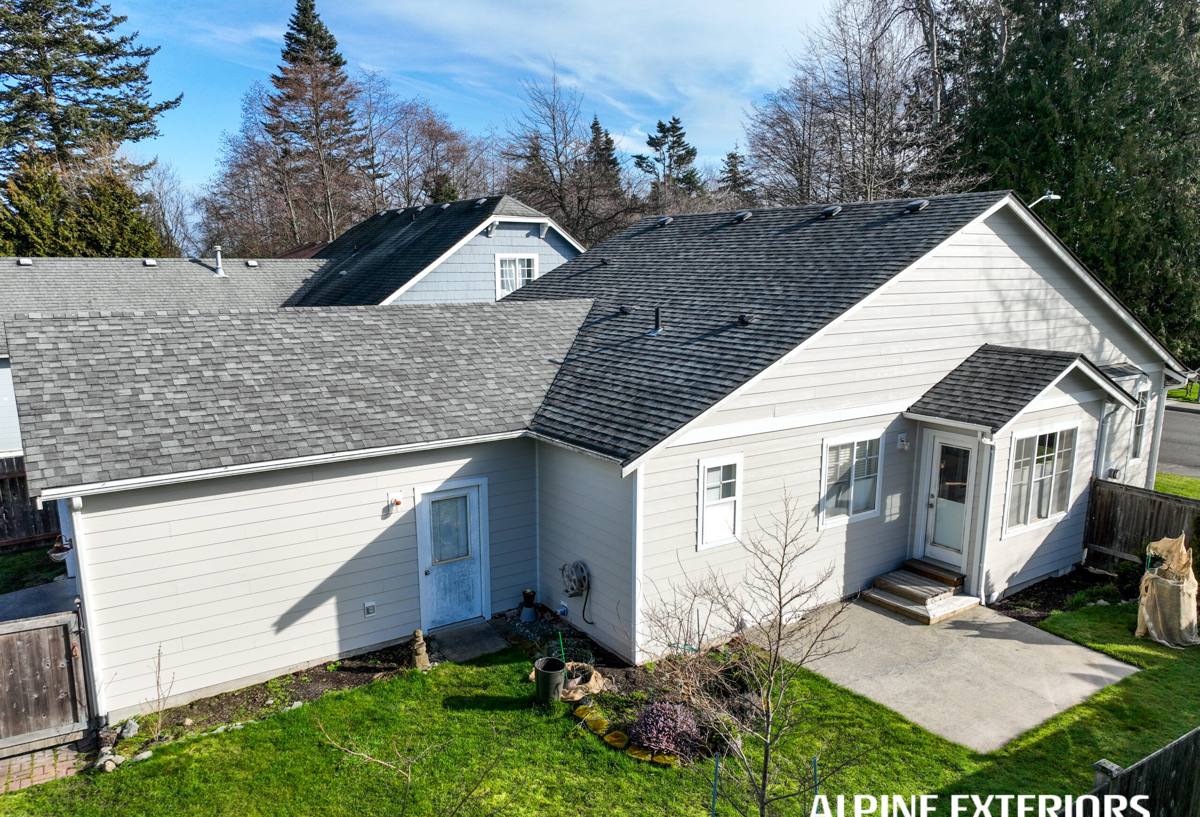
What the Climate Actually Does to a Home's Exterior
It's easy to talk about "Florida weather" in the abstract. In practice, four things do most of the damage over time:
Hurricane-Force Wind
Manatee County sits squarely in a wind-borne debris region, and building codes here reflect that. Siding, roofing, and window products all have wind-load ratings for a reason — under-rated or poorly fastened materials are the ones that fail first when a storm pushes through. It's not usually the eye of the storm that causes exterior damage; it's the sustained gusts and flying debris in the outer bands.
Intense, Year-Round UV
Florida sun doesn't take a season off. Constant UV exposure breaks down paint film, dries out and warps certain siding substrates, and fades color faster than most homeowners expect. A siding product's factory finish — or lack of one — matters more here than almost anywhere else in the country.
Wind-Driven Rain
Rain that falls straight down is manageable. Rain that gets pushed sideways into a wall assembly at 40-60 mph is a different problem entirely. Wind-driven rain finds every gap in flashing, every poorly caulked seam, and every spot where siding wasn't installed with the right clearances. Over time, that's how moisture gets behind the cladding and starts causing real damage that isn't visible from the curb.
Salt Air
You don't have to live on the water to feel salt air's effects. It travels inland on Gulf breezes and accelerates corrosion on fasteners, trim, and any exposed metal components. Materials and hardware that aren't rated for coastal-adjacent exposure tend to show it first at the fasteners and edges.
Why We Install Only James Hardie Fiber Cement Siding
We made a deliberate decision to install one siding system — James Hardie fiber cement — and not vinyl, not LP SmartSide, not Cemplank or Allura, not primed wood. That's not a marketing position; it's a response to what we've seen hold up in this climate versus what struggles.
Fiber cement is non-combustible, which matters in a state where wildfire and electrical fire risk are real considerations for insurance underwriting. It doesn't absorb moisture the way engineered wood products can, which matters when wind-driven rain is a near-annual event. And James Hardie's ColorPlus factory finish is baked on and warranted against fading and peeling — a meaningful advantage in a climate where UV degrades field-applied paint faster than almost anywhere else.
James Hardie also builds climate-specific product lines. Their HZ5 formulation is engineered for high-humidity, high-moisture regions like ours, as opposed to the HZ10 line built for freeze-thaw climates up north. That distinction sounds minor, but it reflects real differences in how the product is formulated to perform. We install the version of Hardie built for exactly the conditions Lakewood Ranch homes deal with.
None of this means other products are without merit — vinyl is inexpensive and low-maintenance in mild climates, and engineered wood has real fans. But we've standardized on one system so that every crew member is deeply familiar with one set of installation specs, fastening patterns, and flashing details, rather than splitting expertise across several product lines. In a wind-load and moisture-sensitive market like this one, installation consistency is worth more than product variety.
Full Exterior Service, Not Just Siding
Siding doesn't work in isolation — it's one part of a home's exterior envelope, alongside the roof, windows, and any exterior decking. We handle all four, which matters because these systems interact at every seam, flashing point, and transition.
Roofing
Your roof and siding meet at fascia, soffits, and wall-to-roof transitions — spots that are common sources of leaks when the two systems weren't coordinated during installation. A roof that's failing quietly can send water down behind siding long before it shows up as a visible stain.
Windows
Window flashing integrates directly with siding installation. Poorly flashed windows are one of the most common sources of hidden water intrusion in Florida homes, regardless of how good the siding itself is. When we replace siding around existing windows, we check and correct flashing details as part of the job — not as an afterthought.
Decks
Exterior decks in this climate face their own UV and moisture stress, and ledger board attachment to the home is a spot where water intrusion into the structure is a real risk if it's not detailed correctly.
Because we handle all of these trades, a Lakewood Ranch homeowner replacing siding doesn't have to coordinate between four separate contractors and hope the transitions between systems get handled correctly. One crew sees the whole envelope.
What Correct Installation Actually Involves
Fiber cement siding is only as good as its installation. James Hardie publishes detailed installation specifications, and deviating from them — even in small ways — is where most long-term problems originate. Before we start a project, homeowners should expect us to walk through:
- Proper clearance between siding and grade, roofing, decks, and other abutting surfaces
- Correct fastener type, spacing, and penetration depth for wind-load requirements
- Weather-resistant barrier and flashing details at every window, door, and penetration
- Manufacturer-specified overlap and joint treatment to shed wind-driven rain
- Caulking and sealant only where Hardie's specifications call for it — not as a substitute for proper flashing
- Painting or finishing of cut edges per manufacturer guidelines to protect warranty coverage
Skipping any of these isn't usually visible on install day. It shows up two, five, or ten years later as moisture damage, premature failure, or a denied warranty claim. Asking a contractor how they handle each of these points is a fair and useful question during a bid.
What Affects the Cost of a Siding Project
Every home is different, and we don't post blanket pricing because it would be misleading. But the major cost drivers are consistent from project to project:
| Factor | Why It Matters |
|---|---|
| Home size and stories | More surface area and taller walls mean more material and labor, plus added equipment needs for multi-story homes |
| Existing siding removal | Tear-off and disposal of old material adds labor and haul-away costs beyond a straightforward new install |
| Substrate condition | Water damage or rot found underneath existing siding needs repair before new siding goes on, which isn't always visible until removal |
| Trim and architectural detail | Homes with more corners, gables, and trim work take longer and use more specialty pieces than a simple rectangular footprint |
| Siding profile and finish | James Hardie offers several plank styles and ColorPlus finishes; some are more labor-intensive to install than others |
| Access and site conditions | Tight lots, landscaping, or limited equipment access can add time to a project |
Why a Local Crew Matters for Lakewood Ranch
Permitting, wind-load requirements, and inspection expectations vary by jurisdiction, and Manatee County has its own process that differs from neighboring counties. A crew that regularly pulls permits and schedules inspections here knows what local inspectors look for and how to avoid the delays that come from a rejected first inspection.
There's also a practical, local-accountability piece to it. A contractor based in the Bradenton area, working in Lakewood Ranch regularly, is going to be around next year and the year after if a warranty question comes up. That's a different relationship than an out-of-town crew that installs and moves on to the next region.
Maintenance and Longevity After Installation
One of the practical advantages of fiber cement in this climate is how little ongoing maintenance it needs compared to wood-based alternatives — no annual repainting cycle driven by UV breakdown, no swelling from humidity. That said, "low-maintenance" isn't "no-maintenance." A periodic visual check after storm season — looking for cracked caulk joints, loose trim, or impact damage — catches small issues before they become expensive ones. Keeping gutters clear and grade sloped away from the foundation also protects the bottom edge of siding, which is the area most exposed to splashback and standing water during Florida's wet season.
Ready to Talk About Your Home
If you're in Lakewood Ranch and dealing with aging siding, storm damage, or you're just planning ahead for what your home's exterior needs to hold up long-term, we're happy to take a look and talk through honest options — no pressure, no obligation. Fill out the form below to schedule a free estimate.