 Bradenton Siding
 Siding in Palmetto: What the Climate Actually Does to a Home
Palmetto sits on the north bank of the Manatee River, just across the water from Bradenton and close enough to Tampa Bay that the exterior of a home here works harder than it would twenty or thirty miles inland. Homeowners in this part of Manatee County deal with a combination of stresses that most siding products simply weren't designed to handle for the long haul: hurricane-force wind events, intense year-round UV exposure, wind-driven rain that gets forced sideways into wall assemblies, and a steady dose of salt air carried in off the Gulf and the bay.
None of these factors are dramatic on their own in any given week. The damage they do is cumulative. A siding product that looks fine after year one can be chalking, cupping, or absorbing moisture by year five if it wasn't built for this kind of exposure. That's the lens we use on every siding, roofing, window, and deck project we take on in Palmetto — not "will this look good at installation," but "will this still be doing its job in fifteen years."
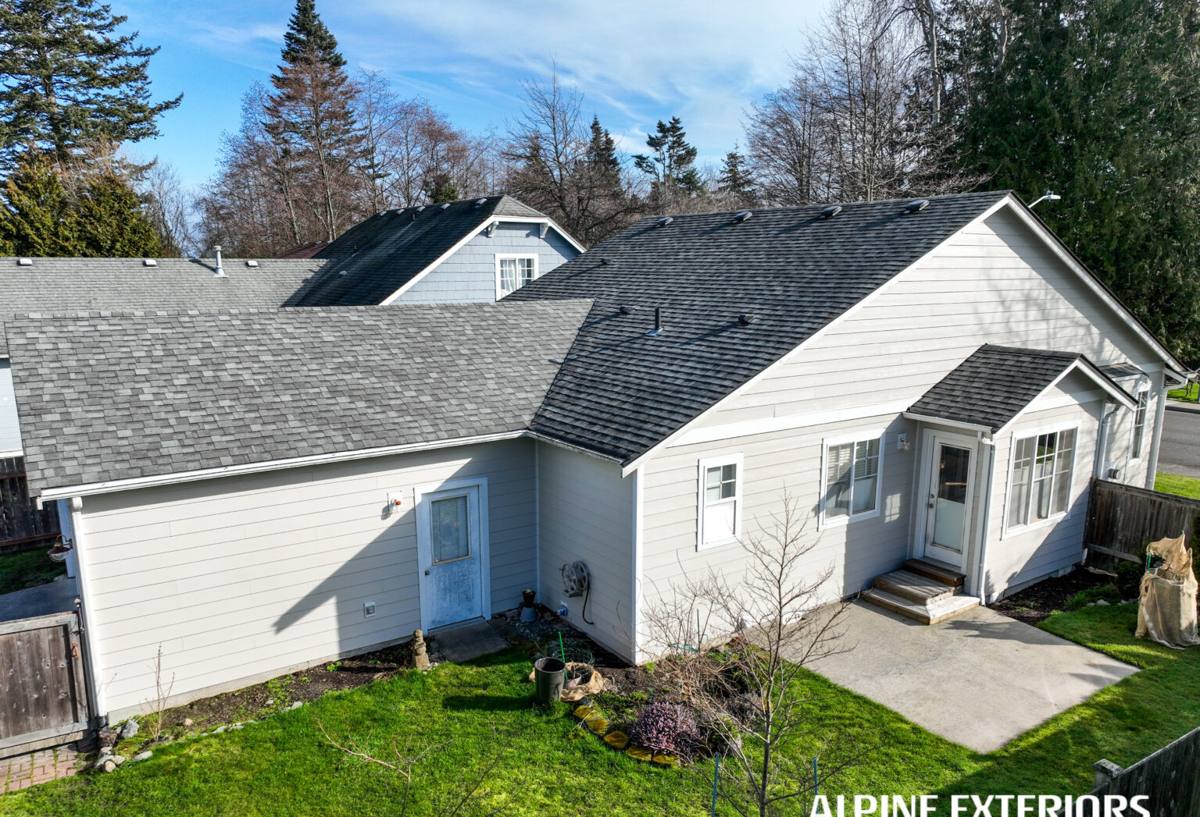
Why James Hardie Fiber Cement Is the Only Siding We Install
We install James Hardie fiber cement siding exclusively. That's not a brand preference we picked out of a catalog — it's a standard we settled on after weighing how different siding materials actually perform against Gulf Coast Florida conditions over time, not just how they perform in a showroom.
Fiber cement is non-combustible, which matters in a state where wind-driven embers and lightning-sparked brush fires are a real, if infrequent, risk. It doesn't soften, warp, or become brittle from prolonged UV exposure the way some other materials can. And James Hardie's factory-applied ColorPlus finish is baked on under controlled conditions, which gives it a more consistent, fade-resistant color than field-applied paint — an important detail in a climate where the sun works on a house essentially every day of the year.
Why We Don't Install Vinyl, LP SmartSide, or Other Composite Sidings Here
Vinyl siding has a place in some climates, but it isn't ours. Vinyl softens in high heat, can crack in cooler snaps, and is rated for wind resistance that's noticeably lower than what a coastal Manatee County property can see in a tropical system. LP SmartSide and other engineered-wood composite products use wood strand cores that are more moisture-sensitive than fiber cement — fine when flashing and caulking are perfect and stay perfect, but siding on a real house takes hits: a sprinkler head angled the wrong way, a gutter that overflows in a downpour, humidity working into a seam over years. Wood-based cores don't forgive that the way fiber cement does. We'd rather stand behind one product we trust completely than offer several and hope the cheaper ones hold up.
James Hardie Product Lines for This Area
James Hardie makes several siding profiles, and the right one depends on the home's style and exposure. For coastal counties like Manatee, Hardie's HZ10 formulation — engineered specifically for humid, high-moisture climates — is the baseline we work from.
HardiePlank Lap Siding
The most common choice for traditional Florida homes. It gives the classic horizontal lap look, holds paint and ColorPlus finishes well, and is available in a range of textures and exposures.
HardiePanel Vertical Siding
Often used on accent gables, porch areas, or homes going for a more modern or coastal look. Installed with battens or as a smooth panel system.
HardieShingle
A staggered or straight-edge shingle profile for homes that want more texture, often mixed with lap siding as an accent on gables or dormers.
| Product | Best For | Typical Use |
|---|---|---|
| HardiePlank Lap | Traditional ranch and two-story homes | Full-home siding |
| HardiePanel Vertical | Modern or coastal-style facades | Accent walls, gables, porches |
| HardieShingle | Craftsman or cottage-style detailing | Gable and dormer accents |
Roofing, Windows, and Decks: The Rest of the Building Envelope
Siding doesn't work in isolation. We also handle roofing, windows, and decks because a home's exterior is one connected system — water and wind find whatever gap exists between trades. A new roof with poor flashing at the siding line, or windows that aren't properly integrated with the water-resistive barrier behind the siding, can undermine even a perfect siding installation. Handling all four trades under one roof means fewer handoffs, fewer finger-pointing situations if a leak shows up, and installers who understand how each system needs to tie into the others.
Roofing in this area needs to account for the same wind-uplift concerns as siding. Windows need impact and wind-load ratings appropriate for a coastal wind zone. Decks need fasteners and hardware that won't corrode prematurely in salt-heavy air. All of it gets specified with Manatee County's exposure in mind, not generic statewide defaults.
What Correct Installation Looks Like in a Coastal Wind Zone
James Hardie siding performs the way it's rated to perform only when it's installed to spec. In a market like this one, a handful of details matter more than they would somewhere with milder weather:
Fastening Schedule
Nail spacing and fastener type aren't a place to cut corners. Under-fastened siding is one of the more common causes of wind-related siding failure in coastal wind events, and it's invisible until a storm tests it.
Flashing and Water Management
Wind-driven rain doesn't fall straight down — it gets pushed sideways and upward under eaves and around window and door openings. Proper flashing, house wrap integration, and weep paths behind the siding are what keep that water from finding its way into the wall cavity.
Fastener and Trim Material
Salt air accelerates corrosion on the wrong metals. Corrosion-resistant fasteners and trim details are a small line item that prevents a much bigger problem ten years down the road.
Cost Factors for a Siding Project in Palmetto
Every home is different, but the variables that move the price on a siding job here tend to be the same ones every time. We give firm numbers only after walking the property, but this is generally what drives cost up or down.
| Factor | Why It Matters |
|---|---|
| Home size and wall complexity | More corners, gables, and dormers mean more cutting, flashing, and labor time |
| Existing siding removal | Tear-off and disposal of old material adds time versus a bare wall |
| Underlying sheathing condition | Rot or moisture damage found once old siding comes off needs repair before new siding goes on |
| Siding profile chosen | Lap, panel, and shingle products differ in material and labor cost |
| Trim and accent work | Custom trim, vertical accents, or shingle detailing add labor |
| Paint vs. ColorPlus finish | Factory-finished ColorPlus costs more upfront but reduces repainting over the home's life |
Choosing a Local Contractor: What to Vet
Manatee County has no shortage of contractors who'll bid a siding job. Not all of them carry manufacturer certification, insurance that actually covers the work, or a crew that's installed fiber cement in a coastal wind zone before. A few minutes of vetting up front saves a lot of grief later.
- Confirm they carry active general liability and workers' compensation insurance, and ask to see certificates directly
- Ask whether they're a certified James Hardie installer, not just a contractor who occasionally orders the material
- Get the fastening and flashing approach in writing, not just a verbal assurance
- Ask how they handle sheathing repair if rot is found once old siding is removed
- Check that the written estimate specifies the exact Hardie product line and profile, not just "fiber cement siding"
- Ask about the manufacturer warranty terms and whether it's transferable if you sell the home
Maintenance: Keeping Hardie Siding Looking Right in Salt Air
Fiber cement is low-maintenance compared to most alternatives, but "low-maintenance" isn't "no-maintenance" in a salt-air environment. A periodic rinse with a garden hose to knock off salt residue and airborne grime goes a long way. It's worth a visual check after major storms for any cracked caulking at seams or trim, since caulk failure is usually the first thing to go, well before the siding panel itself shows any wear. Caught early, that's a five-minute fix. Left alone through another wet season, it can let moisture behind the siding.
Get a Free, No-Pressure Estimate
If your siding is showing its age, if you're planning a renovation, or you just want an honest read on how your current exterior is holding up against Manatee County's climate, we're glad to take a look. There's no pressure and no obligation — just a straight assessment and a clear estimate for James Hardie siding, roofing, windows, or deck work, using the form below.