 Bradenton Siding
 Windows Built for Palmetto's Weather, Not Just Any Weather
Palmetto sits right where the Manatee River meets Tampa Bay, which means homes here take on weather that inland Florida simply doesn't deal with. Wind-driven rain off the water, salt-laden air that corrodes hardware faster than people expect, and enough direct summer UV to break down cheap seals and vinyl within a few seasons. A window that's fine in a landlocked subdivision two hours north can fail early here — not because it was a bad product everywhere, but because it wasn't matched to this exposure.
Window installation in this part of Manatee County isn't just about picking a style and setting it in the opening. It's about how the unit is flashed, how it's fastened into the surrounding structure, what glass and frame it uses, and whether the whole assembly is rated for the wind and impact loads this stretch of the Gulf Coast actually sees during a tropical system. Get any one of those pieces wrong and the window itself can be top quality and still underperform.
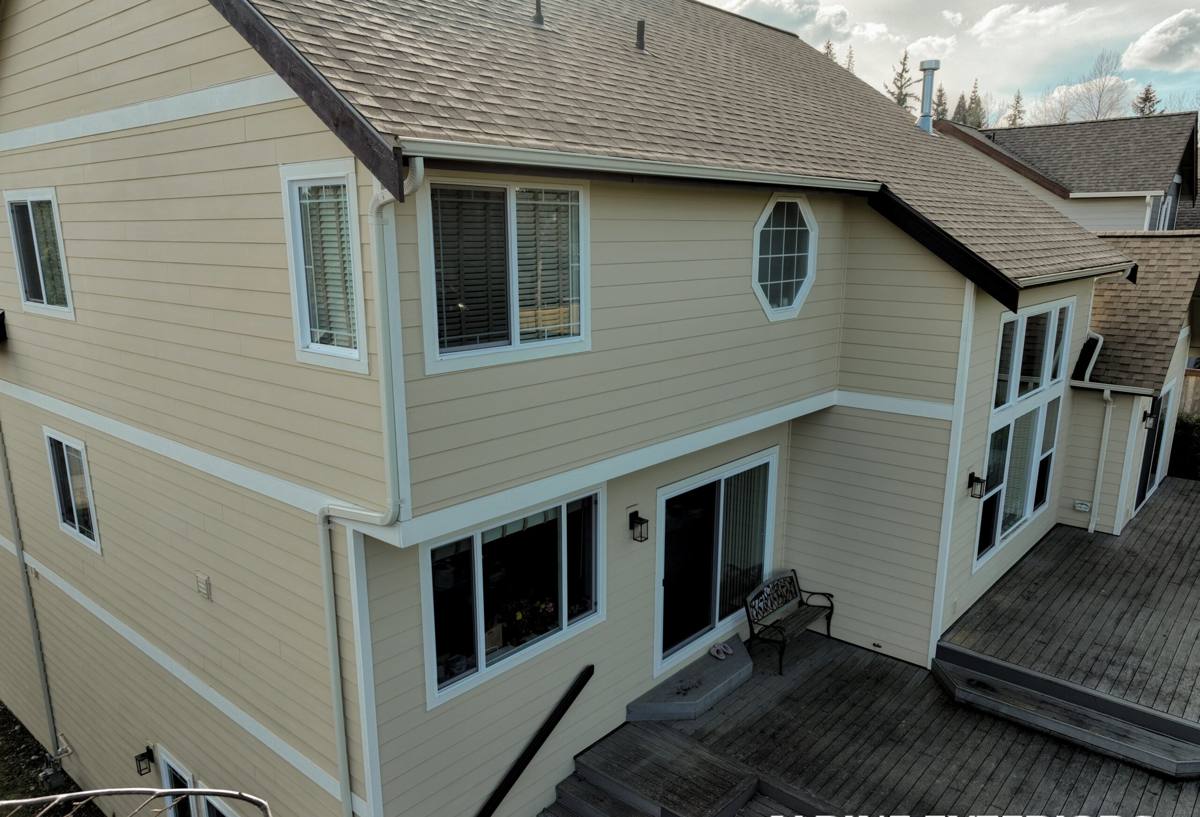
What Palmetto Homes Actually Need From a Window Job
Wind and Impact Resistance
Coastal Manatee County properties are subject to Florida Building Code wind-load requirements, and depending on your specific location and flood zone, wind-borne debris protection may apply as well. That means the window assembly — frame, glass, and anchoring — has to be tested and labeled for the pressures it will face, not just installed tightly. This is one of the first things we confirm before we ever quote a job: what your home's wind zone actually requires, so you're not over-paying for capability you don't need or under-protected against a storm.
Water Management
Wind-driven rain doesn't fall straight down here — during a squall or tropical system it comes in sideways and finds every gap. Correct installation means the flashing and sealant work together to shed water away from the wall assembly, not just plug the visible seam around the frame. Most water intrusion problems we get called out to fix didn't start with the window itself; they started with flashing that was skipped, reversed, or taped instead of properly lapped.
UV and Salt Air Durability
Year-round sun breaks down cheap vinyl, dries out low-grade sealants, and fades interior finishes faster near the coast. Salt air accelerates corrosion on hardware, screws, and frame components that aren't rated for it. We factor both into material selection, not just style and budget.
What a Correct Installation Actually Involves
A lot of window problems homeowners deal with years later trace back to shortcuts taken during installation that aren't visible once trim goes back on. Here's what we treat as non-negotiable on every job:
Opening Prep and Structural Check
Before a new window goes in, the rough opening gets inspected for rot, soft wood, or prior water damage — especially common around older aluminum-frame windows that have been sealed over rather than properly maintained. Installing a new window into a compromised opening just hides the problem behind a fresh frame.
Flashing and Sealant Sequencing
Flashing tape and sealant have to go on in the right order, lapped the right direction, so water is directed out and down rather than trapped behind the siding or stucco. This is the step that's invisible once the job is finished — and the step most likely to be rushed by crews that don't specialize in coastal work.
Fastening for Wind Load
The window has to be anchored per the manufacturer's tested installation instructions and the specific fastener schedule for its wind rating. Substituting shorter screws, fewer anchor points, or the wrong fastener type can drop a window's real-world wind performance well below its rated capability, even if it looks identical from outside.
Interior and Exterior Finish
Once the window is set, shimmed level and plumb, and insulated around the frame without over-packing (which can bow the frame), trim and caulk go back on to match the home's existing finish.
Impact-Rated vs. Standard Windows: What's the Real Difference
One of the most common questions we get from Palmetto homeowners is whether they actually need impact-rated glass, or whether a standard window paired with shutters is enough. Both are legitimate approaches — the right one depends on your home's wind zone, your budget, and how much you want to deal with before a storm.
| Factor | Impact-Rated Windows | Standard Windows + Shutters |
|---|---|---|
| Storm prep effort | None — always protected | Shutters must be installed before each storm |
| Upfront cost | Higher per window | Lower window cost, added shutter cost |
| Daily UV/noise reduction | Better, due to laminated glass | Standard glass performance |
| Curb appeal | No visible hardware between storms | Shutter tracks or panels visible year-round |
| Insurance considerations | May qualify for wind mitigation credits | Depends on shutter type and rating |
We'll walk through this trade-off honestly during your estimate rather than steering you toward the more expensive option by default. Some Palmetto homes are better served by impact glass on street-facing openings and rated shutters elsewhere, especially on larger or harder-to-reach windows.
Our Window Installation Process
- On-site assessment — we measure every opening, check for structural or moisture issues, and confirm your home's wind zone and any permit requirements.
- Product selection — we go over frame material, glass package, and wind/impact rating options that fit your budget and the exposure your home actually faces.
- Permitting — where required, we handle the permit application and inspection scheduling so you don't have to navigate the county process yourself.
- Removal and prep — old windows come out carefully, and we inspect and repair the opening before anything new goes in.
- Installation — proper flashing, fastening to the tested schedule, insulation, and sealant, in that order.
- Finish work — interior and exterior trim, caulking, and cleanup.
- Final inspection — we walk the job with you, and where a permit was pulled, we coordinate the county inspection.
Signs It's Time to Replace, Not Just Repair
Not every window problem means full replacement, but these are the signals we take seriously when we inspect a Palmetto home:
- Fogging or condensation between panes on double-pane units — the seal has failed and can't be repaired
- Frames that are soft, warped, or show wood rot at the corners
- Windows that are difficult to open, close, or lock properly
- Visible daylight or a draft around the frame when closed
- Water staining on interior walls or sills below or around the window
- Chalky, pitted, or corroded exterior aluminum hardware from salt exposure
- Single-pane or original-to-the-home windows with no impact or wind rating on file
Permits and Manatee County Requirements
Most window replacement work in this area requires a permit, and inspections confirm that the installed product matches its approved rating and that anchoring meets code. This isn't paperwork for its own sake — it's the mechanism that verifies a window will actually perform the way it's labeled to during a storm. We handle the permit process as part of the job rather than leaving it to the homeowner, and we don't cut corners on inspections; a failed inspection costs everyone more time than doing it right the first time.
Frame Materials and What They Mean for a Coastal Home
| Frame Type | Salt Air / Corrosion | Maintenance | Typical Fit |
|---|---|---|---|
| Vinyl | Good — won't corrode | Low — occasional cleaning | Most residential replacement jobs |
| Aluminum | Fair — needs corrosion-resistant hardware and finish | Moderate — hardware inspection over time | Larger openings, certain architectural styles |
| Fiberglass | Very good — dimensionally stable | Low | Higher-end replacements, extreme exposure areas |
We don't push one material for every home. What matters is matching the frame to your home's exposure, your maintenance expectations, and how the existing structure is built. On direct waterfront or high-exposure lots, we're more conservative about hardware and finish specs than we would be a few streets inland.
Why Hire a Crew That Already Works in Palmetto
A crew unfamiliar with this stretch of the Gulf Coast can install a perfectly good window and still get the details wrong for this environment — wrong fastener spec for the wind zone, standard sealant that wasn't meant for constant UV and salt exposure, or flashing sequencing that works fine in a dry climate but fails the first time rain comes in sideways. Working in Palmetto and the surrounding Bradenton area regularly means we already know the wind zone expectations, the permitting process, and which materials actually hold up here rather than learning it on your house.
It also means we're not guessing at what "normal" looks like for a home in this area. We can tell you honestly whether what you're seeing — corrosion, seal failure, water staining — is typical wear for the coast or a sign of a bigger issue, because we've seen it across other homes nearby.
After Installation: Keeping Windows Performing Long-Term
New windows still need occasional attention in this climate. Rinsing salt residue off frames and hardware, checking that weep holes stay clear of debris, and having sealant lines inspected every few years keeps a properly installed window performing for its full service life instead of developing avoidable problems early. We're happy to walk you through simple upkeep specific to your product and location when the job is finished.
If your Palmetto home has windows that are struggling to keep up with the weather here — or you're planning ahead of hurricane season — we're glad to come take a look. Fill out the form below for a free, no-pressure estimate, and we'll give you an honest read on what your home actually needs.