 Bradenton Siding
 Siding in Village of the Arts, Bradenton
Village of the Arts sits in one of Bradenton's older, more character-filled pockets — a walkable neighborhood of small bungalows and historic-style homes that have been repainted, repurposed, and lived in for decades. Homes here have a lot of exposed exterior wall and, in many cases, original or aging siding that has quietly taken a beating from Manatee County's climate for years without anyone stopping to look closely at it. We're a local Bradenton crew, and Village of the Arts is squarely inside the area we work — close enough that we can walk a job site, come back for a follow-up question, and stand behind the work without a subcontractor chain in between.
This page is about what siding, roofing, windows, and decks actually have to survive here, and why we install James Hardie fiber cement exclusively rather than offering a menu of vinyl, LP SmartSide, or wood options. It's not a marketing preference — it's a standard we hold because of what we see on Gulf Coast homes.
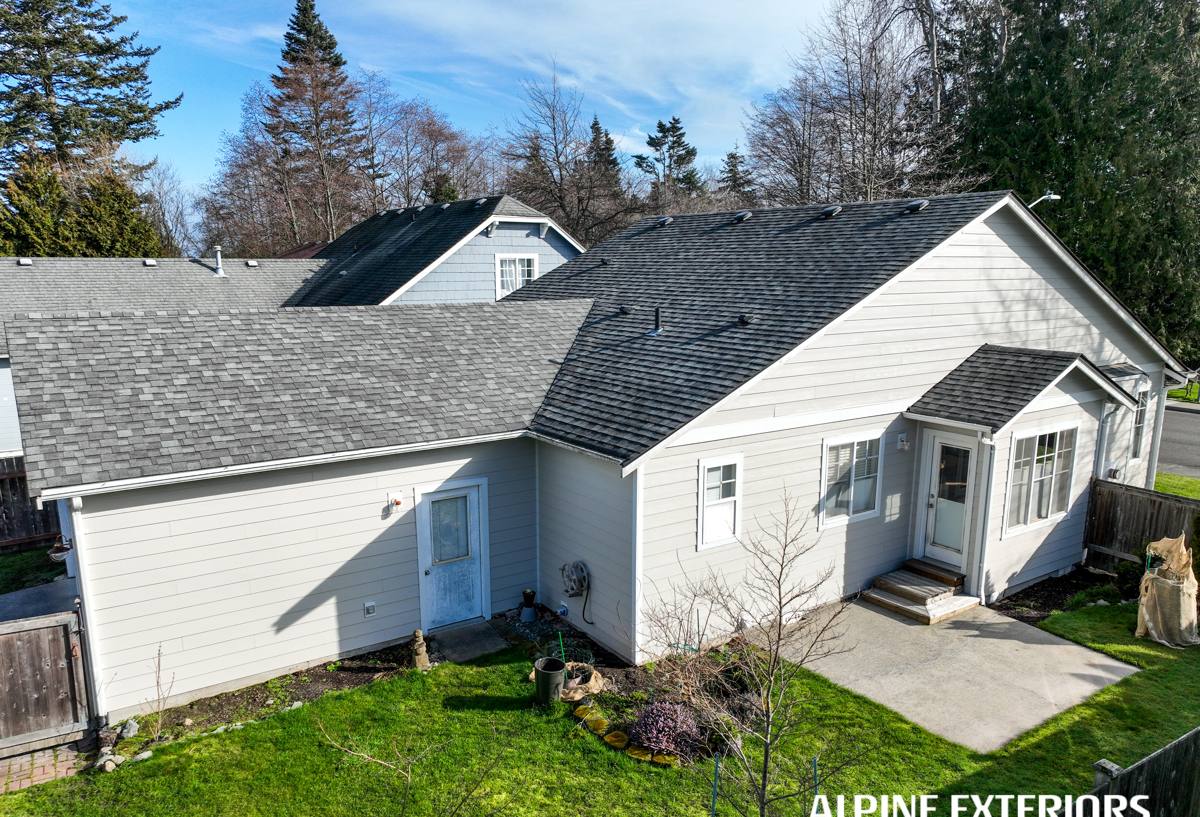
What Bradenton's Climate Does to a House Over Time
Manatee County doesn't have one bad season for exteriors — it has four different kinds of stress that compound on each other year after year.
Heat and UV
Florida sun is intense and nearly constant. Painted wood and many composite products chalk, fade, and lose their finish integrity faster here than in almost any other part of the country. UV breaks down pigments and surface coatings, which is why paint jobs on Bradenton homes tend to need attention well before the interval a paint can label suggests.
Wind-Driven Rain
Rain in this region rarely falls straight down. Storm systems push it sideways, and wind-driven rain finds every seam, lap joint, and fastener penetration in a wall assembly. Siding that isn't dimensionally stable, or that wasn't installed with correct flashing and gapping, lets moisture behind the cladding — and once water is behind siding, the damage is happening where nobody can see it until it's expensive.
Hurricane-Force Wind
Manatee County sits in an active hurricane corridor. Wind load isn't a once-a-decade concern — it's a standing design requirement. Siding, roofing, and window products used here need real wind and impact ratings, not just a manufacturer's general-purpose spec sheet.
Salt Air
Bradenton is close enough to the Gulf and Tampa Bay that salt-laden air reaches inland neighborhoods, including Village of the Arts. Salt accelerates corrosion of fasteners and trim metal and adds another layer of wear to any exterior material that isn't built to handle a marine-influenced atmosphere.
Individually, none of these are exotic. Together, on a nearly year-round basis, they're why exterior materials that perform fine in Ohio or the Carolinas can underperform badly in Manatee County.
Why We Only Install James Hardie Fiber Cement
We get asked fairly often why we don't offer vinyl or LP SmartSide as a lower-cost alternative. The honest answer is that we've made a deliberate choice to install one product system because it's the one we trust to hold up to everything above without regular intervention.
Vinyl's trade-offs
Vinyl siding is inexpensive and easy to install, and it has a real place in milder climates. In Florida, high heat can cause it to warp or distort, and it's a thin material relative to fiber cement — it simply doesn't have the mass to resist wind-driven debris or hold its shape under sustained summer heat the way a heavier product does. It's also not fire-resistant, which matters to some homeowners weighing long-term risk.
LP SmartSide and other engineered wood
Engineered wood products like LP SmartSide use treated wood strand technology and have improved a great deal over the years. But wood-based siding, by nature, is more sensitive to sustained moisture exposure than fiber cement. In a climate with frequent wind-driven rain and high humidity, any wood-based product asks for more disciplined caulking, painting, and edge-sealing maintenance to avoid swelling or edge degradation over time. That's a maintenance burden we don't want to hand a homeowner in this climate.
Why Hardie
James Hardie fiber cement is non-combustible, dimensionally stable in heat and humidity, and available in a climate-specific HZ5 formulation engineered for exactly the kind of high-moisture, high-heat exposure Manatee County homes deal with. It holds paint and factory finish far longer than wood, doesn't attract termites, and carries a strong transferable manufacturer warranty when installed to spec. We'd rather install one product extremely well than offer three products and split our expertise.
The Hardie System We Put on Homes
| Product | Typical Use | Why It Fits Bradenton |
|---|---|---|
| HardiePlank lap siding | Primary wall cladding | Most common Bradenton profile; HZ5 formulation resists humidity and moisture cycling |
| HardieShingle | Accent gables, dormers | Adds texture without introducing wood's moisture sensitivity |
| HardieTrim | Corners, fascia, window trim | Fiber cement trim resists the edge rot common with wood trim in coastal humidity |
| HardiePanel | Vertical/board-and-batten accents | Popular on bungalow-style homes for a clean, period-appropriate look |
Every Hardie product we install comes with a factory-applied ColorPlus finish baked on under controlled conditions, which resists fading and chipping far better than a site-applied paint job — a meaningful difference under Florida's UV load. Hardie's climate-engineered HZ5 line is specifically formulated for high-humidity, hurricane-prone regions like the Gulf Coast, which is one reason it's become the standard on new construction and reroofs across this part of Florida.
Beyond Siding: Roofing, Windows, and Decks
Siding is only one piece of a Village of the Arts home's exterior envelope, and we work on the full picture rather than treating each component in isolation.
Roofing
A roof and siding system have to work together — flashing at rooflines and wall intersections is one of the most common places wind-driven rain gets into a wall assembly. We look at roof condition as part of any siding conversation, not as an afterthought.
Windows
Older homes in this neighborhood often still carry original single-pane or early-generation replacement windows. Upgrading to impact-rated, properly flashed windows does two things: it improves the home's wind performance in a storm and it removes one of the more common leak points around window openings, which protects whatever siding surrounds them.
Decks
Outdoor living is a big part of life in this climate, and decks take the same sun and rain exposure as siding, just on a horizontal surface where water pools instead of running off. We build and repair decks with the same attention to fastening, drainage, and material selection we apply to wall cladding.
Handling all four trades under one crew means fewer handoffs, fewer scheduling gaps between contractors, and one team that understands how the whole exterior envelope is supposed to work together.
What a Local Crew Means in This Neighborhood
Village of the Arts has a distinct character — smaller lots, older home footprints, and a mix of architectural styles that don't always match the cookie-cutter assumptions a big regional company brings to a job. A crew that actually works Manatee County regularly recognizes the difference between a 1940s-era bungalow wall assembly and a newer stucco-over-frame build, and adjusts the approach accordingly instead of applying a one-size-fits-all install.
Being local also means faster response if a question comes up after the job is done, familiarity with how Bradenton's permitting and inspection process works, and a crew that has a reason to care about its reputation in the neighborhoods it works in — not a national franchise operating under a local-sounding name.
Signs Your Siding Needs a Closer Look
- Soft or spongy spots when you press on the siding, especially near the bottom courses
- Visible warping, bowing, or gaps opening up between boards
- Paint that's peeling, bubbling, or chalking heavily to the touch
- Cracks or holes near corners, window trim, or utility penetrations
- Discoloration or staining that keeps returning after cleaning
- Rising energy bills that can't be explained by anything else — a compromised wall assembly can be part of it
None of these guarantee a full replacement is needed, but any of them are worth a professional look before the next storm season rather than after.
What Drives the Cost of a Siding Project Here
| Factor | Why It Matters |
|---|---|
| Home size and wall complexity | More corners, gables, and dormers mean more cutting, trim work, and labor time |
| Extent of existing damage | Rotted sheathing or framing found once old siding is removed adds repair scope |
| Product selection within the Hardie line | Lap siding, shingle accents, and panel systems carry different material and labor costs |
| Trim and accent detail | Board-and-batten accents or shingle gables add labor beyond straight lap siding |
| Access and site conditions | Tight lots, mature landscaping, or limited driveway access can affect setup time |
We don't quote broad ballpark numbers on a page like this, because the honest range for a project genuinely depends on these factors. A walk-through gives a far more useful number than a generic estimate ever could.
How We Approach a Village of the Arts Project
- On-site inspection of existing siding, trim, and any related roofing or window concerns
- Assessment of what's underneath once old material comes off — sheathing and framing condition matters as much as the visible surface
- Correct water-resistive barrier and flashing detail at every penetration, window, and roofline intersection
- Installation to James Hardie's published fastening, gapping, and clearance specifications — the details that actually determine how well the warranty and the wall perform over time
- Final walkthrough so you understand what was done and why
Correct installation is not a minor detail with fiber cement. Hardie's warranty coverage and real-world performance both depend on the product being installed to spec — proper fastener placement, ground clearance, caulking at butt joints, and flashing at every penetration. A rushed or improperly detailed install can undercut even a good product's performance in this climate.
Maintenance and Warranty
One of the practical advantages of fiber cement over wood or vinyl in this climate is how little ongoing attention it needs. There's no annual re-caulking regimen required to keep moisture out, no warping to watch for, and the ColorPlus factory finish holds its color far longer than a field-applied paint job exposed to constant Florida UV. James Hardie backs its products with a strong transferable warranty when installation follows their specifications — which is part of why correct installation isn't optional in our process, it's the whole point.
If you're in Village of the Arts and dealing with aging siding, storm damage, or you're simply planning ahead of the next hurricane season, we'd be glad to take a look. Reach out for a free, no-pressure estimate — we'll walk the property, answer your questions honestly, and give you a real assessment of what your home needs.