 Bradenton Siding
 Why Siding Fails Faster in Bradenton Than in Most Places
Siding in Manatee County works harder than siding almost anywhere else in the country. Between hurricane-force wind events, wind-driven rain that gets forced sideways into wall assemblies, salt air drifting in off Sarasota Bay and the Gulf, and some of the most intense year-round UV exposure in the continental United States, exterior walls here take a beating twelve months a year. There's no off-season for siding stress in Bradenton the way there might be in a northern climate.
That means the "signs of failing siding" checklist you'd read on a national home-improvement site doesn't quite apply here. Problems show up earlier, they compound faster once moisture gets involved, and by the time some of the more obvious signs appear, there's often been water intrusion happening behind the wall for months or years already. This page walks through what to actually look for, what it means, and how to think about repair versus replacement.
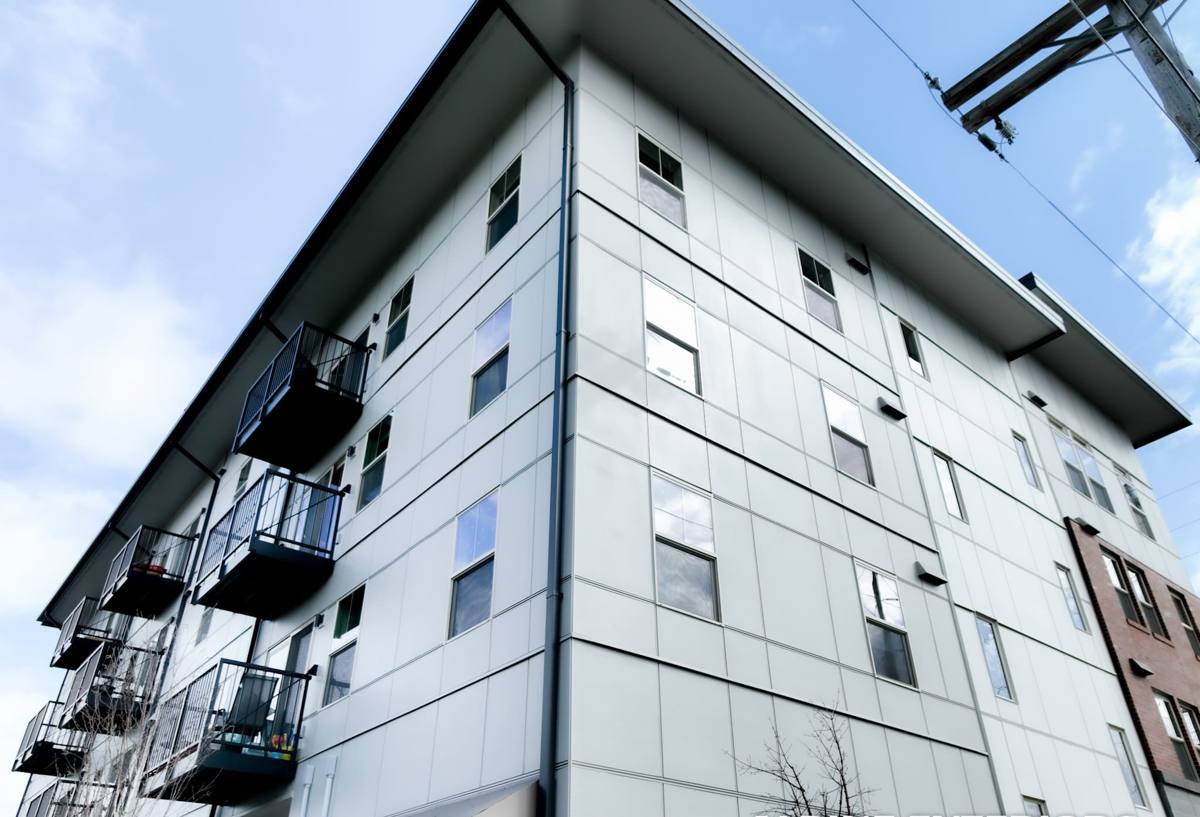
Visual Warning Signs You Can Spot From the Ground
Most homeowners catch siding problems by accident — mowing the lawn, washing a car, walking the dog. Here's what those casual glances should actually be looking for.
Warping, Bowing, or Buckling
Panels or boards that look wavy, bowed outward, or no longer sit flat against the wall are telling you there's moisture trapped behind the surface, expanding and contracting the material unevenly. This is especially common with engineered wood products in humid climates — the substrate absorbs moisture at the edges and cut ends faster than manufacturers' lab tests anticipate for a climate like ours.
Cracking and Splitting
Hairline cracks that follow the grain, or splits at panel joints and corners, are entry points for water. In Bradenton's UV load, some materials become brittle years before their rated lifespan, and a crack that starts as cosmetic becomes a moisture pathway the first time we get a wind-driven rain event.
Fading and Chalking
All exterior paint fades with UV exposure, but siding that fades unevenly, chalks heavily when you run a hand across it, or needs repainting every 3-5 years instead of every 8-10 is telling you the factory finish (or field-applied paint) wasn't built for this much sun. This isn't just cosmetic — a failing finish exposes the substrate underneath to moisture faster.
Visible Gaps or Loose Panels
Gaps at seams, panels that flex or rattle in wind, or fasteners that have backed out are structural warning signs, not cosmetic ones. In a wind event, a panel that's already loose is the first thing to fail — and once one panel goes, wind gets underneath the next one.
Signs You Need to Touch or Get Closer To Find
Some of the most serious problems don't show up from ten feet away. They require actually walking the perimeter of the house and putting a hand on the wall.
Soft or Spongy Spots
Press on the siding, especially near the bottom edges, around windows and doors, and anywhere two materials meet. Softness means the substrate has absorbed water and started to break down. This is common with wood-based products and is one of the clearest signs that repair time has passed and replacement of that section — or the whole wall — is on the table.
Peeling or Bubbling at Seams and Fasteners
Finish that's lifting specifically at seams, joints, and nail heads (rather than uniformly across a panel) points to water getting in at those exact spots — usually because caulk has failed, a fastener wasn't set correctly, or the panel wasn't primed on a cut edge during installation.
Rust Streaks Below Fasteners
Orange-brown streaking below nails or screws means the fasteners are corroding, which happens faster in salt air. Once fasteners start failing, panels lose their grip on the wall — this is a wind-resistance issue as much as a cosmetic one.
Mold, Mildew, or Dark Staining
Some surface mildew in Florida is normal and just needs a wash. But mildew that returns within weeks of cleaning, or that's concentrated in one area rather than spread evenly, usually means moisture is staying wet longer in that spot — often because water is trapped behind the siding, not just landing on top of it.
The Signs You Can't See: What's Happening Behind the Wall
The most expensive siding failures are the ones that never show up on the surface until they're serious. Wind-driven rain during a tropical system can force water past housewrap, flashing, and seams that look fine from outside. Once water gets behind siding in a humid coastal climate, it doesn't dry out the way it would in a drier region — it sits, and it feeds rot in wood sheathing, corrosion in structural fasteners, and mold growth inside the wall cavity.
Signs that moisture has gotten behind the siding, even when the surface looks okay, include:
- A musty smell near exterior walls, especially after rain
- Interior drywall near exterior walls that feels damp, discolors, or bubbles
- Baseboards or trim near exterior walls that swell or separate from the wall
- Higher-than-expected humidity or a persistent damp feeling in rooms along exterior walls
- Visible daylight or gaps around window and door trim where it meets siding
If any of these show up, it's worth having a contractor pull a section of siding to actually look at the sheathing rather than guessing from the outside.
How Failure Looks Different by Material
Not all siding fails the same way, and knowing what material is on your house changes what you should be watching for. Here's a general comparison of how common siding materials tend to break down under Gulf Coast conditions:
| Material | Typical Failure Mode Here | Earliest Warning Sign |
|---|---|---|
| Vinyl | Cracking/warping from UV and heat cycling; fasteners can back out in wind | Brittleness, visible warping, panels rattling in wind |
| Primed spruce/cedar (wood) | Moisture absorption at cut edges and fastener holes leads to rot | Softness at bottom edges, paint peeling at seams |
| Engineered wood (LP-type) | Edge swelling if factory seal is compromised; substrate breakdown once wet | Puffiness/swelling at panel edges, especially near ground level |
| Fiber cement (uninstalled to spec) | Moisture intrusion at improperly caulked seams or unprimed field cuts | Localized paint failure or staining at joints, not across the whole panel |
| Fiber cement (installed to spec, factory-finished) | Very gradual finish wear over decades; material itself doesn't absorb and swell | General finish dulling, not structural warping |
That last row is worth sitting with. Fiber cement isn't magic — it can still fail if it's installed poorly, with unsealed cut ends, wrong fastener patterns, or insufficient clearance from grade or roofing. But the material itself doesn't swell, rot, or feed mold the way wood-based products can, which is a meaningful difference in a climate that gives siding no real dry season.
What Happens If You Wait
Siding problems don't stay small in this climate. A hairline crack that lets in a little moisture during summer thunderstorms becomes a soft spot by the next hurricane season. A soft spot behind one panel becomes rotted sheathing that a contractor discovers only once they pull siding for a repair. Left long enough, water intrusion can affect insulation, drywall, and in worst cases structural framing — turning what would have been a siding repair into a repair that also touches the interior of the home.
There's also a wind-safety dimension specific to this area. Siding that's already loose, cracked, or poorly fastened is far more likely to peel off in a named storm, which then exposes the wall assembly underneath to direct wind-driven rain with zero protection. Catching failure early isn't just about cost — it's about how your house performs the next time a serious system comes through Manatee County.
A Simple Self-Inspection Checklist
Twice a year — a good rule of thumb is before and after hurricane season — walk the full perimeter of your house and check:
- Look at every wall from about 10 feet back in good daylight for warping, bowing, or color inconsistency
- Press gently on siding near the bottom 2 feet of every wall and around all penetrations (spigots, vents, outlets)
- Check all window and door trim for gaps, caulk failure, or staining
- Look under eaves and at the roofline for staining that suggests water is running down behind the siding
- Check fasteners for rust streaking or heads that have backed out
- Smell interior rooms along exterior walls after a rain for musty odors
- Note any spot that needs repainting or re-caulking sooner than the rest of the house — uneven wear is often the first sign of a localized problem
Repair or Replace: How to Think About It
Not every issue means a full re-side. A single cracked panel, a failed caulk joint, or a section of loose trim can often be repaired if the rest of the wall assembly is dry and sound. But repair stops making sense once you're dealing with:
- Multiple areas of the same failure spread across different walls (suggesting an installation or material-wide issue, not a one-off)
- Confirmed rot or moisture damage in the sheathing behind the siding
- Siding that's original to a home built more than 20-25 years ago and made of a material known to have shorter service life in coastal conditions
- Repeated repairs to the same areas year after year
In those cases, a full replacement is usually the more cost-effective path over a 10-15 year horizon, even though the upfront number is larger than a patch repair.
Why We Only Install James Hardie
When homeowners in Bradenton ask us what to replace failing siding with, our answer is consistent: James Hardie fiber cement, and nothing else. We don't install vinyl, LP SmartSide, Cemplank, Allura, or primed wood products, and it's not because those products can't perform anywhere — it's that after years of servicing homes on this stretch of the Gulf Coast, we've standardized on the one product line that holds up best against the specific combination of hurricane wind loads, constant UV, wind-driven rain, and salt air that this county deals with. Hardie's fiber cement doesn't absorb and swell like wood-based substrates, it's non-combustible, its ColorPlus factory finish is engineered to resist the fading and chalking that eats through field-applied paint out here, and its HZ product lines are specifically formulated for high-humidity, high-moisture climates like ours. It also carries a strong, transferable warranty that reflects the manufacturer's confidence in long-term performance when the product is installed to spec — which we consider just as important as the material itself.
If you're seeing any of the warning signs above, or you're just not sure how your siding is holding up after a few Florida summers, we're happy to come take a look. We offer free, no-pressure estimates and inspections — no obligation, just an honest assessment of what's going on with your walls and what your options are.