 Bradenton Siding
 Exterior Work in Bayshore Gardens: A Different Set of Rules
Bayshore Gardens sits close to the water in Manatee County, and that proximity shapes almost every exterior decision a homeowner here makes. Between the bay breeze, the intensity of Gulf Coast sun, and the seasonal threat of tropical systems moving through the region, the siding, roofing, windows, and decking on a Bayshore Gardens home work harder than they would almost anywhere inland. We've built our business around understanding that difference, and around installing exterior products that are actually engineered to hold up to it.
This page covers what homes in Bayshore Gardens tend to run into, how we approach siding and exterior work here, and why we've standardized on one siding product instead of offering the usual lineup of options.
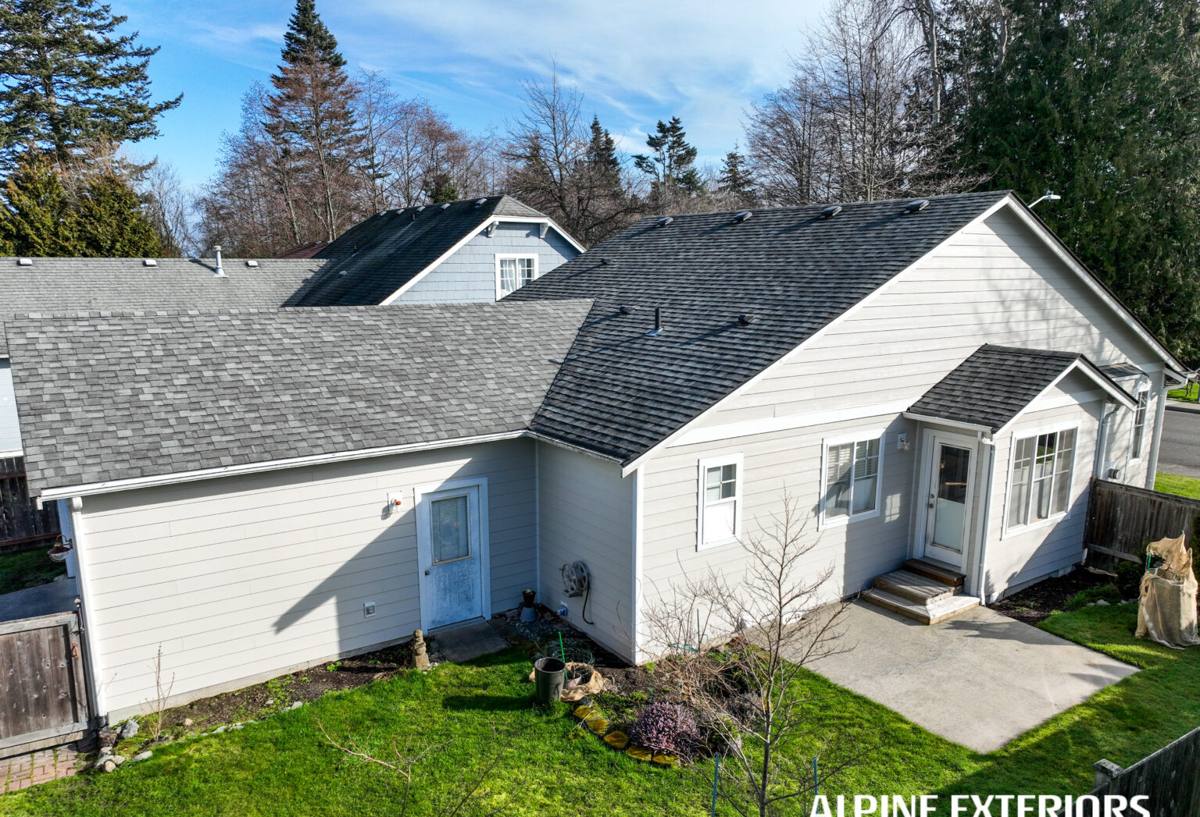
What This Climate Does to a House
Salt Air and Humidity
Homes near the water deal with airborne salt whether they're directly waterfront or a few blocks back — bay breezes carry moisture and salt content further inland than most people expect. Combined with Florida's year-round humidity, that salt exposure accelerates corrosion on fasteners, trim, and any siding material that isn't formulated to resist it. Paint film breaks down faster, seams open up sooner, and anything with exposed raw wood or untreated metal shows wear years ahead of schedule.
UV Load
Manatee County gets sun exposure that most siding products, especially those designed and tested for northern climates, simply weren't built to handle at this intensity. Constant UV breaks down pigments and surface coatings, which is why so many homes in this area show chalking, fading, or an uneven, blotchy finish on siding that's only a handful of years old.
Wind-Driven Rain and Storms
Bradenton and the surrounding communities sit in an active hurricane corridor. Even outside of a direct storm hit, wind-driven rain during summer squalls pushes water sideways into seams, laps, and fastener penetrations that would stay dry in a calmer climate. Siding systems with weak joints, absorbent cores, or poor flashing details are where that water finds its way into the wall assembly — and that's when rot, mold, and hidden structural damage start.
Humidity and Moisture Cycling
Florida's daily swing between hot, moist air and cooler nights means exterior materials are constantly expanding, contracting, and absorbing ambient moisture. Products that swell or that trap moisture behind their surface are put through that cycle year-round here, not just seasonally.
Why We Only Install James Hardie Fiber Cement
We get asked fairly often why we don't offer vinyl, LP SmartSide, or other engineered wood siding as options. The honest answer is that after years of doing exterior work in this climate, we don't think those products hold up well enough, long enough, to put our name behind the installation. That's not a knock on every homeowner who has one of those products on their house — plenty perform adequately for a while. It's that in a market with this much sun, salt, and storm exposure, we'd rather install one product we trust completely than several we'd have to caveat.
James Hardie fiber cement is our standard for a few concrete reasons:
- It's non-combustible, which matters for insurance conversations and simple peace of mind.
- It doesn't rot, swell, or provide a food source for pests the way wood-based products can.
- Hardie's HZ5 product line is specifically engineered for high-humidity, hot, and storm-prone climates like ours.
- The ColorPlus factory finish is baked on and warranted against fading and peeling, which matters enormously under this much UV.
- It carries a strong, transferable limited warranty that holds real weight if you sell the home.
Vinyl softens and can warp in high heat, its color is molded through the material rather than factory-cured onto it, and it has real limits on wind ratings depending on the profile and installation. LP SmartSide and other engineered wood products use a wood-strand core, which means the entire system depends on the edges and cut ends staying properly sealed and caulked for the life of the siding — a maintenance dependency that's a lot less forgiving in a climate that's humid and wet most of the year. We'd rather not put a product on your home that only performs well if every maintenance step happens on schedule forever.
Quick Comparison
| Factor | James Hardie Fiber Cement | Vinyl | Engineered Wood (LP-type) |
|---|---|---|---|
| Moisture/rot risk | Non-organic, does not rot | Won't rot, but seams can trap water | Wood-strand core vulnerable if seals fail |
| UV/fade resistance | Factory ColorPlus finish, warranted | Can fade and chalk in high UV | Field-painted finish wears faster |
| Wind/impact durability | Rated for high-wind installation | Can crack or blow off in high wind | Solid but edge-sealing is critical |
| Combustibility | Non-combustible | Combustible | Combustible |
| Maintenance | Low; occasional wash and repaint cycle | Low but limited repair options | Ongoing caulk/seal maintenance required |
What Correct Installation Looks Like Here
The product is only half the equation. In a coastal wind and rain environment, installation detail is what actually determines whether siding performs for decades or fails early. On every Bayshore Gardens project, that means:
- Proper water-resistive barrier and flashing at every window, door, and penetration
- Correct fastener type and spacing rated for wind exposure, not just whatever's fastest
- Manufacturer-specified clearances from grade, roofing, and decking to prevent moisture wicking
- Tight, properly caulked joints at butt seams and trim using sealants rated for sun and salt exposure
- Field-cut edges primed or sealed per Hardie's installation specs, not left exposed
Skipping any of these steps is how a good product ends up with an early failure — and it's usually the installation, not the material, that homeowners end up blaming.
More Than Siding: Roofing, Windows, and Decks
Siding doesn't act alone. The roof, windows, and any exterior decking on a Bayshore Gardens home are all part of the same weather envelope, and problems in one area tend to show up as damage in another. A roof that's shedding water improperly can stain or saturate siding below it. Windows with failing seals let wind-driven rain track into wall cavities near the siding line. Decking exposed to the same sun and moisture cycle needs materials and fastening that hold up the same way the siding does.
Because we handle all four — siding, roofing, windows, and decks — we look at a property's exterior as one connected system rather than a series of unrelated jobs. That matters most in a climate like this one, where water intrusion rarely stays contained to where it started.
What the Process Looks Like
Most projects follow a similar path, though the details depend on the home's age, current siding condition, and scope:
- On-site inspection and honest assessment of current siding, trim, and any underlying moisture damage
- A clear, written estimate covering material, labor, and any repair work uncovered along the way
- Removal of old siding with inspection of the sheathing and water-resistive barrier underneath
- Correction of any rot, flashing, or moisture issues found before new siding goes on
- Installation of James Hardie siding to manufacturer specification, including trim and caulking
- Final walkthrough so you know exactly what was done and what maintenance to expect going forward
Why a Local Crew Matters
Bradenton and Manatee County exterior work isn't generic exterior work. A crew that's used to installing siding in a drier, milder climate will make different assumptions about flashing details, fastener corrosion resistance, and wind exposure than a crew that works this coastline every week. We see the specific ways homes in and around Bayshore Gardens age — where the salt exposure hits hardest, which sides of a house take the worst sun, where storm-driven rain tends to find weak points — and that local pattern recognition shapes how we approach every project, not just the sales pitch.
Signs Your Current Siding Needs a Closer Look
- Visible warping, buckling, or gaps at seams and corners
- Soft spots when pressed, especially near the bottom of walls or under windows
- Peeling, bubbling, or chalky paint that returns quickly after repainting
- Rising utility bills that suggest air or moisture is getting through the wall assembly
- Visible staining, streaking, or dark patches that don't wash off
Get a Straightforward Estimate
If you're in Bayshore Gardens and dealing with aging or storm-worn siding, or you're planning ahead before the next season, we're happy to take a look and give you a clear, honest read on where things stand. There's no pressure and no obligation — just a straightforward assessment from a crew that knows this coastline. Use the form below to request a free estimate.