 Bradenton Siding
 Roofing on a Barrier Island Is Its Own Trade
Holmes Beach sits on Anna Maria Island, surrounded by the Gulf and Bay on a strip of land that takes weather most inland Manatee County homes never see. A roof here isn't just shedding rain — it's absorbing salt-laden air every day of the year, standing up to hurricane-force wind gusts during storm season, and baking under some of the most intense, sustained UV exposure in the continental United States. Add wind-driven rain that gets forced sideways and up under edges and fasteners, and you have a set of conditions that ages a roof faster than almost anywhere else in the state.
That combination matters when you're deciding on a full roof replacement. A roofing system that performs fine forty minutes inland can fail early on a barrier island home — not because it was installed wrong, but because it wasn't specified with island conditions in mind. Material choice, fastening patterns, flashing details, and even the underlayment all need to account for what this specific stretch of coastline throws at a house.
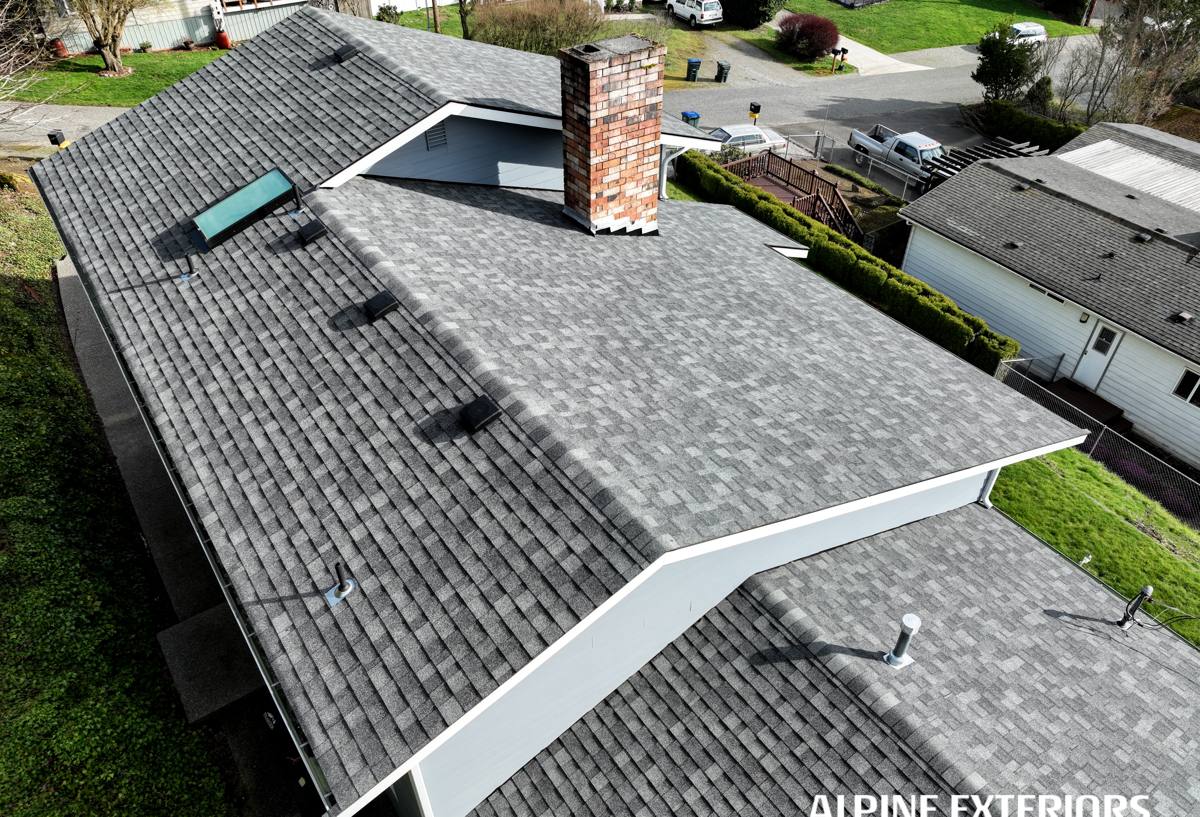
What Salt Air, Wind, and UV Actually Do to a Roof
Salt Air Corrosion
Airborne salt settles on every exposed surface, including roofing. It accelerates corrosion on exposed metal fasteners, flashing, drip edge, and any exposed mechanical connectors. Once corrosion starts at a fastener head or flashing seam, water finds a path in, and what should have been a cosmetic issue becomes a leak.
Wind Load
Holmes Beach homes are directly exposed to Gulf-driven wind with little to break it before it reaches a roof. During tropical systems, that means sustained high winds and sudden gusts that test every shingle tab, every nail, and every ridge cap on the house. Roofs that are marginally under-fastened or past their prime are the ones that lose material first — and a small area of lost shingles quickly turns into water intrusion under the rest of the field.
UV Degradation
Florida sun breaks down asphalt shingle oils and can make roofing membranes brittle over time, regardless of brand. On an island with almost no shade cover and constant reflected light off the water, that aging process runs faster than the manufacturer's lab testing typically assumes for a shaded, inland roof.
Wind-Driven Rain
Rain that comes in horizontally, or is pushed upward under eaves and around vents, behaves differently than rain falling straight down. It's a major reason island roofs need more attention paid to underlayment, flashing laps, and penetration sealing than a standard inland install.
Signs a Holmes Beach Roof Needs Replacing, Not Just Patching
Not every roof problem calls for a full replacement, and we'll tell you honestly when a repair is the right call. But certain signs point toward a roofing system that's past the point where patching makes sense:
- Granule loss heavy enough that shingles look patchy, blotchy, or bald in sun-exposed areas
- Curling, cupping, or cracked shingle tabs across multiple sections of the roof, not just one spot
- Rust staining or visible corrosion around flashing, vent boots, or fastener heads
- Soft decking, sagging lines, or staining on interior ceilings that suggests moisture has been getting through for a while
- A roof that's approaching or past the manufacturer's expected service life for a coastal, high-UV exposure
- Missing or lifted shingles after wind events, especially if it's happened more than once
- Visible daylight or gaps at ridge lines, valleys, or penetrations
If you're seeing two or more of these, it's worth getting an honest inspection before the next storm season rather than after.
What a Correct Roof Replacement Actually Involves
A roof replacement done right on a barrier island home is not the same job as a quick shingle swap. The steps that matter most, in our experience, are the ones that are invisible once the job is finished:
Full Tear-Off and Decking Inspection
We don't install new roofing over old material or skip inspecting the decking underneath. Salt air and long-term moisture exposure can weaken plywood decking in ways that aren't visible from the surface, and any soft or damaged decking gets replaced before anything new goes down.
Underlayment Built for Wind-Driven Rain
A synthetic or self-adhering underlayment rated for high-wind, high-moisture exposure gives the roof a real second line of defense — something that matters far more here than on an inland roof where wind-driven rain isn't a regular event.
Flashing and Fastening for Coastal Wind Loads
Every flashing point — valleys, walls, chimneys, vents — gets detailed correctly rather than caulked and hoped for. Fastening patterns are set to meet the wind resistance the roof actually needs to perform in this location, not a generic minimum.
Ventilation That Matches the Climate
Proper intake and exhaust ventilation keeps attic temperatures and moisture in check, which matters for both shingle life and interior comfort in a climate that's hot and humid nearly year-round.
Comparing Roofing Material Options for a Holmes Beach Home
There's no single "best" material for every home — it depends on your budget, your home's structure, HOA or architectural expectations, and how long you plan to own the property. Here's an honest comparison of the options we most often discuss with Holmes Beach homeowners.
| Material | Salt Air / Wind Performance | Maintenance | Typical Upfront Cost |
|---|---|---|---|
| Architectural Asphalt Shingle | Good when properly fastened and detailed; relies on quality installation more than most materials | Low to moderate; periodic inspection recommended | Lower |
| Standing Seam Metal | Strong wind performance; needs fasteners and coatings suited to coastal salt exposure | Low; occasional fastener and coating check | Higher |
| Concrete or Clay Tile | Very durable against wind and UV when installed with correct fastening; underlayment condition matters most over time | Moderate; individual tiles can crack and need replacement | Higher |
Whatever material you choose, the installation details — fastening, flashing, and underlayment — matter more to how the roof performs here than the brand name on the shingle wrapper. We'll walk you through the honest trade-offs for your specific roof rather than pushing whatever has the best margin.
A Note on Product Choices
We're selective about which roofing systems we install on barrier island homes, and it's not about brand loyalty. Some products that perform fine in low-wind, low-salt environments become a maintenance headache here — whether that's a coating that needs more frequent reapplication in high UV, a fastening system that's more sensitive to installation error, or a warranty structure that doesn't hold up well under coastal exposure clauses. When we steer a homeowner away from an option, it's because of how it behaves in this specific climate, and we'll explain exactly why.
Permitting and Code Considerations on the Island
Roof replacements in Holmes Beach go through the same Florida Building Code framework that governs coastal Manatee County, with wind-resistance and fastening requirements that reflect the exposure level of a barrier island property. Permitting, inspection scheduling, and code compliance all need to be handled correctly — not just for the sake of passing inspection, but because those requirements exist specifically to keep roofs attached during wind events. A contractor who pulls permits properly and schedules inspections at the right stages protects you from problems down the line, including issues that can surface at resale or with insurance.
Our Roof Replacement Process
- Inspection and honest assessment — we look at decking condition, current material, ventilation, and flashing details, and tell you plainly whether replacement is the right call.
- Material and scope discussion — we go over material options suited to your home and budget, with real trade-offs explained, not a sales pitch.
- Written estimate — a clear scope of work and price before anything is scheduled.
- Permitting — we handle the permit process so the job meets code requirements for the area.
- Tear-off and decking repair — old material removed, decking inspected and repaired as needed.
- Installation — underlayment, flashing, and roofing material installed to the specifications your home actually needs.
- Cleanup and final walkthrough — site cleaned, magnetic sweep for debris, and a walkthrough so you know exactly what was done.
- Final inspection — coordinated so your permit closes out properly.
Why It Matters That We Already Work Holmes Beach
A barrier island job has logistics an inland roof doesn't. Material deliveries and dumpster placement have to account for limited road access and bridge traffic. Some communities have their own expectations around work hours, staging, and appearance during a project. Crews who already work in Holmes Beach regularly know how to plan around those realities so the job stays on schedule instead of getting held up by something that could've been anticipated.
There's also a knowledge factor that comes from repetition. A crew that replaces roofs across Bradenton and the surrounding Manatee County coastline sees, over and over, which details actually hold up against salt air and wind here and which ones fail early. That's not something you get from a general contractor who does one island job a year — it comes from doing this work in this specific environment consistently.
Protecting Your Investment After Replacement
A new roof still needs a bit of attention to get its full expected life out of it in this climate. A simple annual routine goes a long way:
- Have the roof visually inspected once a year and after any major storm
- Keep gutters and downspouts clear so water isn't sitting against roof edges
- Rinse off heavy salt buildup and organic debris periodically rather than letting it sit
- Check flashing and sealant points around vents and penetrations for early wear
- Address minor issues — a lifted shingle, a small rust spot — before the next storm season rather than after
None of this replaces a professional inspection, but it catches the small problems before they become big ones.
Get a Straight Answer About Your Roof
If your Holmes Beach roof is showing its age, or you just want an honest opinion on whether repair or replacement makes more sense, we're glad to take a look. We'll give you a clear, no-pressure estimate and explain exactly what your roof needs and why — fill out the form below to get started.