 Bradenton Siding
 Windows Built for the Way Braden River Actually Weathers
Braden River sits close enough to the water and the open Gulf Coast air that its homes take a different kind of beating than houses further inland. Between the humidity that never really lets up, the UV load from roughly year-round sun, wind-driven rain that finds every weak seal, and the salt content that rides in on the breeze off the river and nearby bay waters, windows here age faster than the manufacturer's brochure suggests. Old aluminum-frame single-pane windows that were standard in this area for decades are now one of the biggest reasons Manatee County homeowners see high summer power bills and musty window tracks. Energy-efficient window replacement isn't a luxury upgrade in this climate — it's basic maintenance for comfort, your HVAC system's lifespan, and your home's ability to shed heat and moisture the way it should.
This page covers what energy-efficient windows actually mean in a Gulf Coast setting like Braden River, what a correct installation involves, and how we approach the job when we're on your property.
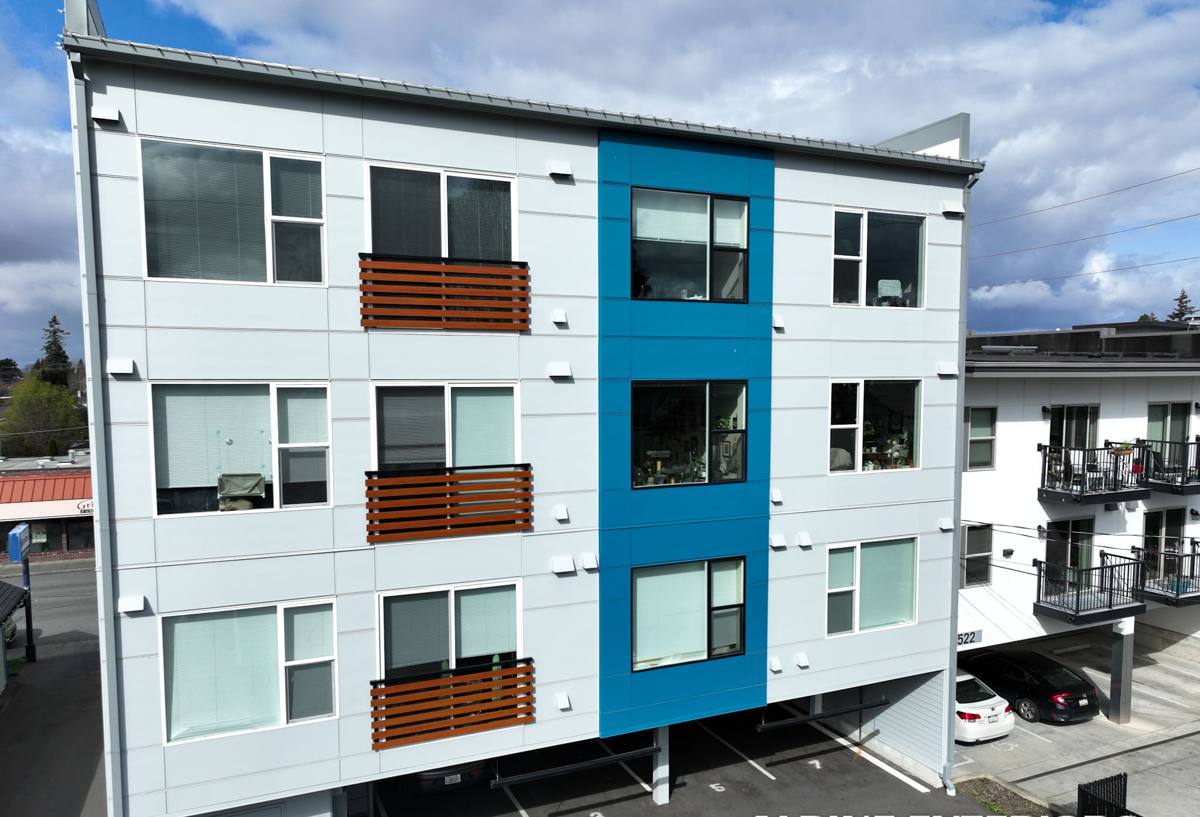
What "Energy-Efficient" Really Means Here — Not Just a Sticker
Every replacement window sold today carries an energy label, but the number on that label only tells part of the story. In a climate like ours, three separate systems have to work together for a window to actually perform: the glass package, the frame material, and the installation itself. Get one wrong and the other two don't matter.
The Glass Package
Most homes in this area benefit from a low-emissivity (Low-E) coated, insulated glass unit. The coating reflects a portion of solar heat before it ever gets inside, which matters enormously when your windows face west or south and take direct afternoon sun for hours. The insulated (double-pane) construction with an inert gas fill between the panes slows heat transfer and cuts down on the exterior noise that carries off busier roads. For homes wanting added storm protection, laminated glass options combine the energy benefits of Low-E coatings with impact resistance in a single unit.
Frame Materials
Frame choice affects both energy performance and how the window holds up to salt air and humidity over time. Vinyl frames with reinforced chambers are a common, cost-effective choice that resists corrosion entirely — a real advantage over older aluminum frames, which conduct heat directly into the home and are more prone to pitting and oxidation near coastal air. Fiberglass frames offer excellent dimensional stability in heat swings and are worth considering for larger openings. We steer homeowners away from unclad wood frames on exterior-facing walls in this climate — the maintenance burden from humidity and the risk of moisture intrusion at the joints isn't a good trade for most families here, even though the interior look has appeal.
Why the Installation Matters as Much as the Product
A high-performance window installed with a poor seal, missing flashing, or the wrong fastening pattern will underperform a mid-grade window installed correctly. This is the part homeowners can't see once the trim is back on, and it's where most energy loss and water intrusion problems actually originate.
Signs Your Current Windows Are Costing You Money
Homeowners in Braden River usually come to us after noticing one or more of these:
- Rooms near west- or south-facing windows that feel noticeably hotter than the rest of the house in the afternoon
- Visible condensation or fogging between the panes — a sign the seal on the insulated glass unit has failed
- Frames that feel warm to the touch on a sunny day, or cold and drafty in cooler months
- Chalky, pitted, or discolored aluminum frames
- Difficulty opening or latching windows due to warping or swollen wood/frame components
- A noticeable rise in cooling costs that doesn't match usage changes
- Water staining or soft drywall below or beside window openings after heavy rain
Any one of these on its own might be minor. Several together usually mean the window unit and its seal have reached the end of their useful service life, and continuing to patch them is money spent without solving the underlying problem.
Wind, Rain, and Energy Performance Are Connected — Not Separate Problems
It's tempting to think of "energy-efficient" and "storm-ready" as two different upgrades, but in Manatee County they overlap more than most homeowners expect. A window that's properly rated and correctly installed for local wind-load and water-infiltration requirements is, by nature, also better sealed against the everyday air leakage that drives up cooling costs. Wind-driven rain during a summer storm finds the same weak points — poor flashing, degraded sealant, an undersized fastening schedule — that let conditioned air leak out on an ordinary Tuesday. When we spec a window for a Braden River home, we're accounting for both at once rather than treating efficiency and storm performance as separate line items.
Every window we install is selected to meet the wind and water performance requirements that apply to your specific home under the Florida Building Code, based on your home's exposure, height, and location. We'll walk you through what that means for your property specifically rather than quoting a blanket standard that may not apply to your address.
Comparing Common Window Options for This Climate
| Option | Energy Performance | Storm/Wind Suitability | Maintenance |
|---|---|---|---|
| Vinyl frame, Low-E insulated glass | Strong — good standard choice | Good with proper rating; pair with laminated glass for impact needs | Low — won't corrode or rust |
| Fiberglass frame, Low-E insulated glass | Strong, very stable in heat swings | Good; holds shape well under wind load | Low |
| Vinyl or fiberglass, laminated impact glass | Strong, plus added noise reduction | Highest — built to resist wind-borne debris | Low |
| Older single-pane aluminum (existing) | Poor — major source of heat gain/loss | Weak; frames corrode and seals degrade near salt air | High — frequent painting, hardware repair |
Impact-rated laminated glass costs more upfront than standard insulated glass but can reduce or eliminate the need for separate shutters or panels, and many homeowners find the noise reduction alone — especially near busier roads — is worth the difference. Installed costs vary a good deal based on window size, quantity, glass package, and frame material, but homeowners should expect a broad range depending on those factors rather than a flat per-window price. We'll give you a specific, itemized number for your home rather than a rough estimate off a price list.
Our Process for a Braden River Window Replacement
- On-site assessment. We inspect existing frames, check for water intrusion or wood rot around openings, and measure each window individually — older Florida homes are rarely perfectly square, and assuming otherwise leads to gaps.
- Product selection. We walk through glass package and frame options based on your home's sun exposure, your budget, and whether storm performance is a priority for particular openings.
- Removal and opening prep. Old units are removed carefully to avoid damaging surrounding stucco, siding, or interior trim. Any rot or water damage found in the opening is addressed before a new window goes in — installing a new window into a compromised opening just hides the problem.
- Flashing and sealing. Proper flashing tape and sealant at the sill, jambs, and head are what actually keep wind-driven rain out over the long run. This step gets skipped or rushed more often than any other in the trade, and it's the single biggest predictor of whether a window will leak in three years.
- Installation and fastening. Units are set plumb, level, and square, and fastened according to the schedule required for the window's rating — not a generic pattern.
- Interior and exterior finish work. Trim, caulking, and paint touch-up are completed so the finished opening looks intentional, not patched.
- Final walkthrough. We test operation on every window and review care basics with you before we consider the job done.
Why It Matters That We Already Work in Braden River
A crew that installs windows across a range of climates has to relearn local conditions on every job. A crew that regularly works Braden River and the surrounding Bradenton area already knows how the salt air, humidity, and storm exposure specific to this part of Manatee County affect frame selection, sealant choice, and flashing detail — because we're dealing with the same conditions on homes nearby on a routine basis. That familiarity shows up in fewer callbacks, fewer surprises once an old window is opened up, and product recommendations that are actually suited to your specific street and sun exposure rather than a one-size-fits-all pitch.
We also know the practical side: permitting expectations, typical crew scheduling around Florida's rainy season, and how to sequence a multi-window job so your home isn't left with open exterior walls if weather turns. None of that is complicated, but it's the kind of local knowledge that only comes from doing the work here repeatedly.
Keeping New Windows Performing Long-Term
Energy-efficient windows are a long-term investment, and a little upkeep protects that investment:
- Rinse frames and tracks periodically to clear salt residue and grit, especially after storms
- Inspect exterior caulking annually and have gaps re-sealed before they widen
- Keep weep holes in the frame clear so water can drain properly instead of pooling
- Avoid pressure-washing directly at window seals — it can force water past sealant over time
- Address any new condensation between panes promptly; it signals a seal failure, not a cleaning issue
None of this is demanding, but skipping it is how even a good window installation loses years off its useful life in a coastal climate.
Get a Straight Answer for Your Home
Every home in Braden River faces this climate a little differently depending on sun exposure, age of construction, and how the existing windows were originally installed. Rather than guess at what your home needs, we'll come take a look, walk you through what we find, and give you a clear, itemized estimate with no pressure to decide on the spot. If you're ready to stop losing conditioned air and start getting real value from your windows, request your free estimate using the form below.