 Bradenton Siding
 Building Decks for a Barrier Island, Not a Typical Backyard
Longboat Key is a different building environment than most of Manatee County. It's a narrow barrier island, which means nearly every property is close to open water or the Gulf, exposed to salt-laden air on a near-constant basis, and directly in the path of tropical systems that move through Florida's west coast almost every year. A deck built here has to handle sustained coastal wind, intense year-round UV exposure, wind-driven rain that gets pushed sideways under roof overhings and railings, and the slow corrosive effect of salt air on anything metal. A deck design and material list that works fine forty minutes inland can fail in a fraction of the time on Longboat Key. We build custom decks specifically with that environment in mind, not a generic mainland spec.
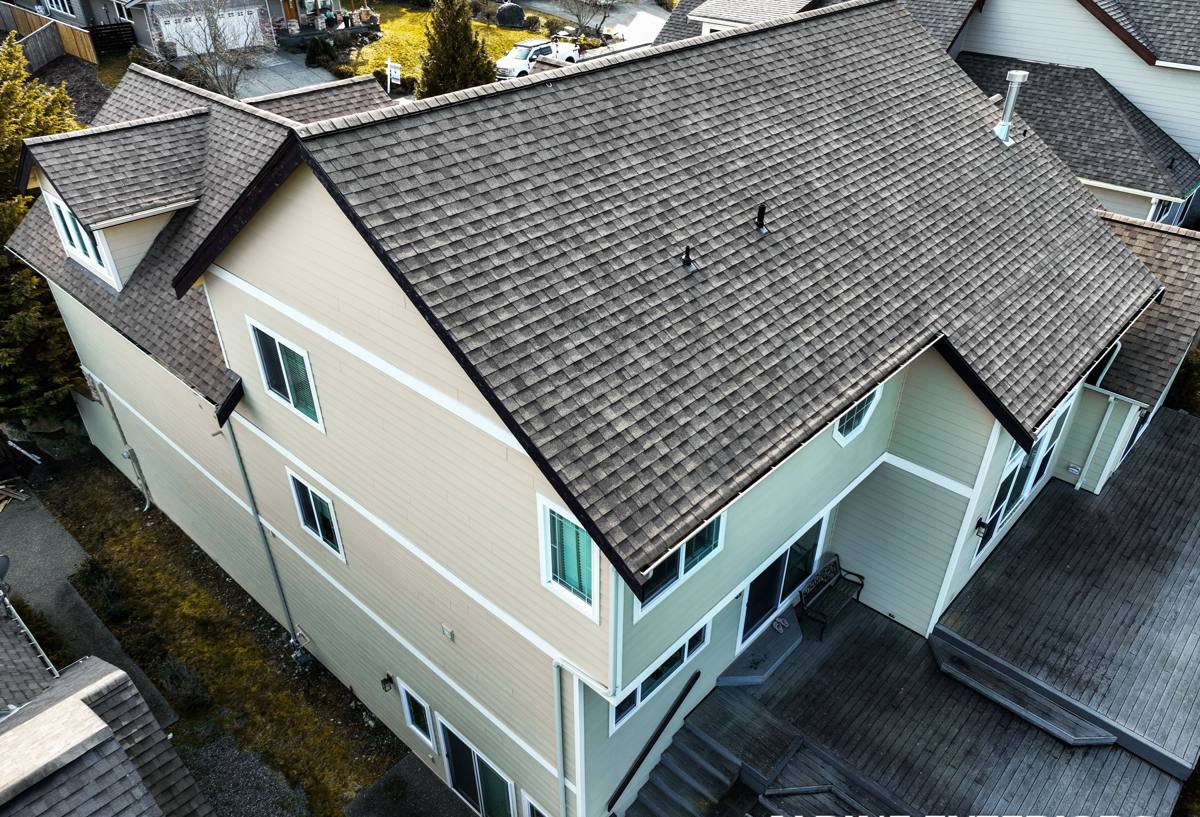
What Longboat Key Homes Actually Need From a Deck
Most of the deck problems we get called out to inspect or repair on the island trace back to the same handful of issues: fasteners that weren't rated for salt exposure, ledger boards that were attached to the house without proper flashing, decking installed without enough airflow underneath, and railings that were never engineered for the wind loads this stretch of coast actually sees. None of these are exotic problems. They're standard deck-building steps that get skipped or cut on lower-grade jobs, and on a barrier island they show up as rot, rust streaks, loose railings, or a soft ledger connection within a few years instead of a couple of decades.
A deck built correctly for Longboat Key needs four things working together: decking material that resists UV fading and moisture without constant upkeep, hardware rated for salt air, a structural frame sized and fastened for wind uplift, and a connection to the house that's properly flashed so water can't get behind siding or into the band board. Get any one of those wrong and the whole structure's service life drops, even if the decking boards themselves look fine.
Elevation and Flood Considerations
Many homes on Longboat Key are elevated on pilings or have living space above garage-level parking, which changes how a deck ties into the structure. Ground-level decks near canals or the Gulf side also need to account for flood zone requirements that affect how footings and framing are designed. We look at the specific site conditions and, where flood zone or FEMA elevation requirements apply, work within them rather than building to a generic inland assumption.
Choosing the Right Decking Material
There's no single "best" decking material for every Longboat Key home — it depends on how much upkeep you want to do, your budget, and how close the deck sits to salt spray. Here's how the common options actually compare in this specific environment:
| Material | How It Holds Up in Salt Air & UV | Maintenance | Typical Lifespan |
|---|---|---|---|
| Pressure-treated pine | Needs sealing to resist moisture and UV; can gray and check without upkeep | Annual cleaning and re-sealing/staining | 10-15 years with upkeep |
| Capped composite | Strong resistance to salt, moisture, and UV fading; won't splinter or rot | Occasional washing, no sealing or staining | 25-30+ years |
| Uncapped composite | Better than wood but can absorb moisture at cut edges and fade faster near the coast | Periodic cleaning; edge sealing recommended | 15-20 years |
| PVC decking | Fully synthetic, excellent moisture and salt resistance | Low — mostly rinsing | 25-30+ years |
| Tropical hardwood (ipe, etc.) | Naturally dense and rot-resistant, but requires oiling to prevent graying | Regular oiling to maintain color | 20-25 years with upkeep |
We don't push one product on every homeowner. If you want the lowest upfront cost and don't mind yearly maintenance, pressure-treated wood done correctly is a legitimate option. If you want to walk away from the maintenance cycle entirely, capped composite or PVC is the better long-term value on an island where salt air accelerates wear on anything that needs a protective coating. We'll walk through the actual trade-offs for your specific deck rather than defaulting to whatever's easiest to install.
Framing, Fasteners, and Hardware That Actually Hold Up
The decking boards are the part everyone sees, but the framing and fasteners underneath determine whether the deck is still solid in ten years. This is where corner-cutting does the most long-term damage on a coastal build.
- Fastener grade matters. Standard galvanized screws and nails corrode fast in salt air. We use stainless steel or coated fasteners rated for coastal and treated-lumber exposure at every structural connection.
- Hidden fastener systems reduce the number of exposed screw heads on the deck surface, which cuts down on the rust staining that shows up over time with standard face-screwed boards.
- Joist hangers and structural connectors need to be coastal-rated, not standard interior-grade galvanized. This is one of the most commonly skipped upgrades on budget deck jobs.
- Ledger board flashing has to be installed correctly where the deck ties into the house, with proper waterproofing so rain doesn't track behind siding or into the rim joist. This is one of the most common failure points we find on older decks.
Footings and Structure Built for Coastal Soil and Wind
Barrier island soil is often sandy and less predictable than inland Manatee County soil, which affects how footings are sized and how deep they need to go for stable, lasting support. Undersized or shallow footings can shift over time, which shows up as an uneven deck surface or railings that no longer feel solid.
Wind is the other half of the structural equation. Longboat Key sits in a high-wind coastal zone, and a deck's railings, posts, and connections all need to be sized to resist wind loads, not just carry the weight of people standing on it. Railings in particular take a lot of direct wind pressure on an open, elevated deck near the water, so post spacing and attachment strength matter more here than they would on a sheltered inland patio.
Permitting and Local Code Requirements
Longboat Key straddles both Manatee and Sarasota counties, and deck construction here is subject to Florida Building Code wind-borne debris and coastal construction requirements in addition to standard structural code. Depending on the property, that can mean specific requirements around railing height and spacing, footing depth, and how the deck attaches to an elevated or piling-supported home. We handle the permitting process as part of the job so you're not left trying to interpret code requirements or track down inspections yourself.
Our Process From Design to Finished Deck
- On-site assessment. We look at your home's structure, elevation, existing attachment points, sun and wind exposure, and proximity to water before recommending anything.
- Material and layout discussion. We go over decking material options, railing style, and layout based on how you'll actually use the space and your maintenance preferences.
- Permitting. We prepare and submit the permit package required for the jurisdiction your property falls under.
- Framing and structural work. Footings, ledger attachment, joists, and hardware go in first, built to coastal fastener and wind-load standards.
- Decking, railing, and finish work. Boards, railings, stairs, and any trim or lighting go in last, with attention to clean fastener patterns and proper edge spacing for drainage.
- Final walkthrough. We go over the finished deck with you, including what maintenance (if any) the material you chose will need going forward.
Maintenance Checklist for a Longboat Key Deck
Even low-maintenance materials benefit from a periodic check, especially this close to the Gulf. A few minutes a couple times a year catches small issues before they become expensive ones:
- Rinse salt residue off decking and railings periodically, especially after storms with onshore wind
- Check fastener heads and connectors for rust streaking, which can signal a lower-grade fastener was used
- Inspect the ledger board area where the deck meets the house for any staining or soft spots
- Look underneath the deck for adequate airflow and clear away debris that traps moisture against framing
- For wood or uncapped composite, reapply sealant or stain on the schedule recommended for that product
- Check railing posts and connections for any looseness after major wind events
Why It Matters to Hire a Crew That Already Works on Longboat Key
A lot of deck-building knowledge that applies fine in most of Florida doesn't fully apply on a barrier island. Fastener grade, footing depth in sandy coastal soil, ledger flashing against wind-driven rain, and railing wind-load requirements are all things that matter more here than they do a few miles inland. A crew that regularly works Longboat Key and the surrounding Manatee County coastline already knows which details actually matter for this environment, rather than treating it as a standard backyard build. That's the difference between a deck that needs attention in five years and one that holds up through hurricane seasons and salt air for decades.
If you're planning a new deck or replacing one that's showing its age, we're happy to take a look and give you a straightforward, no-pressure estimate — just fill out the form below.