 Bradenton Siding
 Whitfield Estates Decks Face a Tough Environment
Whitfield Estates is one of Bradenton's older, established neighborhoods, with mature tree canopy and many homes sitting close to Sarasota Bay and its connecting canals. That proximity to the water is part of what makes the neighborhood desirable — and it's also exactly why decks here wear out faster than a textbook maintenance schedule would predict. Salt-laden air corrodes fasteners and hardware from the inside out, often before any damage is visible on the surface. Intense year-round Florida UV breaks down wood fibers and stresses composite and PVC boards. Wind-driven rain during summer storms and hurricane season pushes moisture sideways into ledger boards, railings, and joints that were never designed to get wet from that angle. None of this means a deck in Whitfield Estates is doomed — it means it needs to be built and repaired with those conditions in mind, not treated like a deck in a drier, calmer climate.
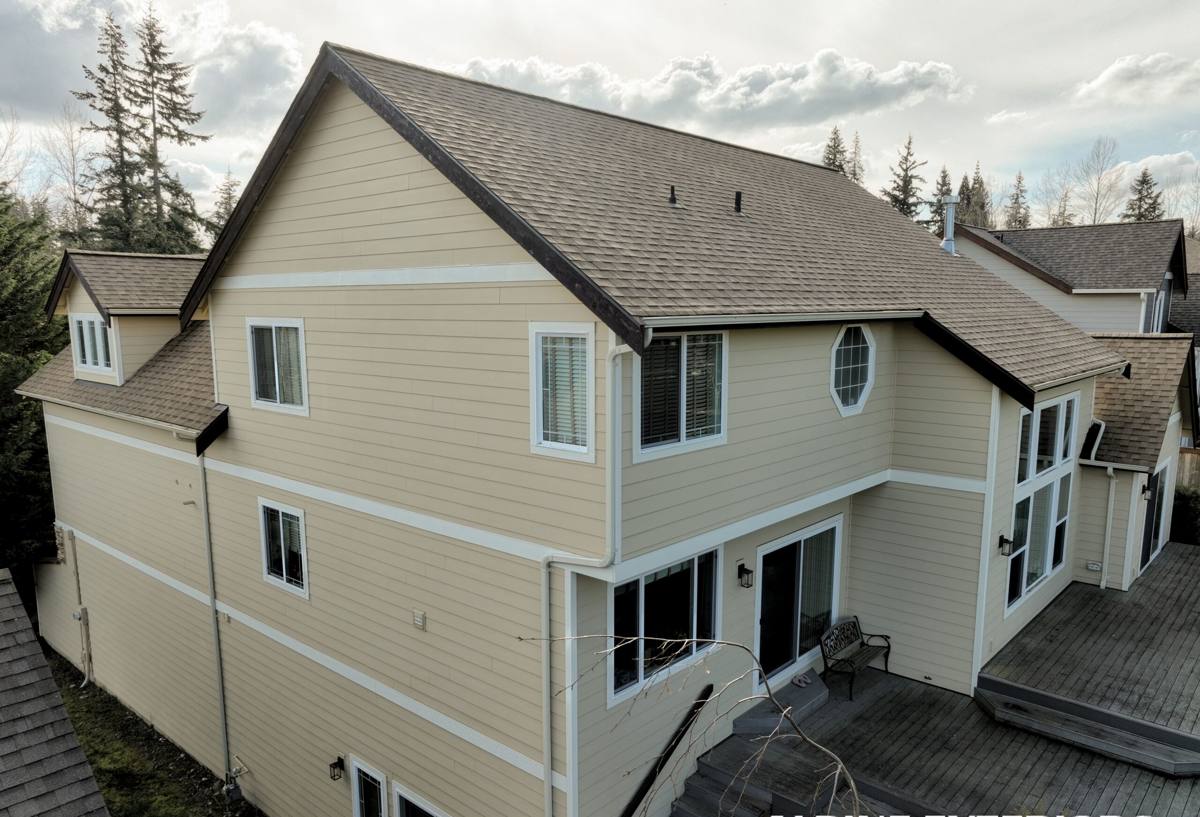
Signs a Deck in This Area Needs Repair
Because so much of the real damage happens below the surface — inside ledger connections, under fastener heads, at post bases — it's worth knowing what to actually look for, rather than waiting until a board fails underfoot.
Wood Decks
Soft or spongy spots when you press with a foot, gaps opening up between boards, fastener heads that have rusted, bled orange-brown stains into the wood, or backed partway out are all common in this climate. Railing posts that wiggle at the base are frequently a sign that the wood around the anchor bolts has started to rot from trapped moisture, not just a loose bolt.
Composite and PVC Decks
These materials don't rot, but they aren't immune to problems. Watch for fading or chalking on south- and west-facing sections that get the most UV exposure, boards that have started to bow or lift between joists (often a sign of undersized or improperly spaced framing underneath), and hardware or hidden fastener clips that have corroded and let boards shift. The decking itself may look fine while the structure underneath it is the actual problem.
The Structure Underneath
Regardless of what the walking surface is made of, the framing, ledger board, and footings are what actually hold the deck up. Rust streaks below joist hangers, visible gaps at the ledger-to-house connection, or a deck that feels like it flexes or bounces more than it used to are all reasons to get the substructure inspected before it becomes a safety issue.
What a Correct Deck Repair Actually Involves
A repair that only replaces the boards you can see is a repair that will need to be redone in a few years. A repair done right addresses the parts of the deck that are doing the structural work, even when that means opening things up to look at what's hidden.
- Ledger board and flashing: the connection where the deck attaches to the house is the single most common source of hidden rot in this climate. Correct flashing keeps wind-driven rain from working its way behind the ledger and into the house's rim joist.
- Joists, beams, and posts: any wood member with soft spots, splitting, or insect damage gets sistered or replaced — not just patched or covered.
- Fasteners and hardware: in a salt-air environment, this is not the place to cut corners. Stainless steel or hot-dip galvanized fasteners and connectors cost more up front but resist the corrosion that plain or coated fasteners can't stand up to near the water.
- Footings and post bases: undersized or settling footings are a structural issue, not a cosmetic one, and they're often the real reason a deck feels unstable.
- Surface decking and railings: replaced last, once everything underneath is sound, using boards and rail systems matched to the home and to how much direct sun and weather that section of the deck actually takes.
Repair or Replace? What Actually Drives the Decision
Homeowners often assume any visible damage means a full rebuild, or the opposite — that a quick board swap will fix everything. Neither assumption holds up well. The honest answer depends on how much of the structure is still sound.
| Factor | Favors Repair | Favors Replacement |
|---|---|---|
| Framing condition | Solid, dry, only isolated soft spots | Widespread rot, insect damage, or repeated past repairs |
| Ledger connection | Sound, properly flashed | Water intrusion into the house rim joist |
| Footings | Adequate size, stable, not settling | Undersized, cracked, or shifting |
| Age of deck | Under 15-20 years, built to a reasonable standard | Older than the materials' realistic service life |
| Surface material | Isolated worn or damaged boards | Widespread fading, warping, or fastener failure |
In many cases a deck in Whitfield Estates needs a hybrid approach: full replacement of the decking and railings paired with targeted structural repair underneath. We'll tell you plainly which category your deck falls into and why, rather than defaulting to whichever job is bigger.
Our Deck Repair Process
- On-site inspection. We walk the deck, check for soft spots, and get underneath it to look at framing, ledger flashing, and footings — not just the surface.
- Honest assessment. We explain what's actually wrong, what's driving it (usually moisture, corrosion, or UV breakdown), and whether repair or partial replacement makes more sense.
- Written scope and estimate. You get a clear breakdown of what will be repaired, what materials and fasteners will be used, and why.
- Permitting, if required. Structural repairs to framing, footings, or railings typically require a permit through the local building department; we handle that paperwork rather than leaving it to you.
- The repair itself. Damaged material comes out, structural members get sistered or replaced, corrosion-resistant hardware goes in, and surfaces are finished to match the rest of the deck as closely as possible.
- Final walkthrough. We check the repair with you before calling the job done, including the areas you can't easily see yourself.
Permits and Local Code Considerations
Deck repairs that touch structural framing, railings, or footings generally fall under Manatee County or City of Bradenton building code, depending on exactly where the property sits, and typically require a permit and inspection — this isn't optional paperwork, it's what confirms the structure is actually safe to use. Florida's building code also has specific requirements for railing height and baluster spacing that came out of real safety concerns, and older decks in established neighborhoods like Whitfield Estates were sometimes built before those requirements were tightened. When we open up a deck for repair, we'll flag anything that's out of step with current code so you can decide how to handle it, rather than quietly leaving it as-is.
Why Local Experience in Whitfield Estates Matters
A deck repair crew that only occasionally works this close to Sarasota Bay can miss things that are obvious to a crew that works the area regularly — how much faster fasteners corrode a few hundred feet from saltwater, which ledger and flashing details actually hold up to wind-driven rain here versus inland, and how the tree canopy common in older Bradenton neighborhoods affects moisture retention and mildew on shaded deck sections. We work in and around Manatee County regularly, so the material choices and repair details we recommend are based on what actually holds up in this environment, not generic manufacturer specs written for a different climate.
Keeping a Repaired Deck in Good Shape
A correct repair buys you years of service, but a little regular attention stretches that further — especially in a climate this hard on exterior materials.
- Rinse off salt residue, pollen, and debris every few weeks, more often after storms
- Check railing posts and stair stringers for movement a couple times a year
- Keep gutters and downspouts clear so runoff isn't dumping extra water onto or under the deck
- Reseal or restain wood decking on the schedule the product actually calls for, not "when it looks bad"
- Trim back vegetation that's shading the deck and keeping it damp longer than it should be
- After any major storm, do a quick visual check of the ledger connection and footings before assuming everything's fine
If you're seeing soft boards, rust stains, a wobbly railing, or just aren't sure how your deck's structure is holding up, we're happy to take a look. Estimates are free, there's no pressure, and you'll get a straight answer about whether you need a repair, a partial rebuild, or nothing at all right now — just fill out the form below.