 Bradenton Siding
 Why Tara Homes Need Windows Built for Florida's Toughest Conditions
Windows take more abuse in Bradenton than almost anywhere else in the country. Between hurricane-force wind events, intense year-round UV exposure, wind-driven rain that finds every weak seam, and salt air drifting in off the Gulf, a window in Manatee County is under constant stress that homeowners further inland never have to think about. In Tara, an established residential community in Bradenton, a lot of that stress is compounded by age. Many homes here still carry original builder-grade windows that are now two to three decades old, with seals, frames, and hardware that were never designed to last this long under this kind of exposure.
Window installation done right in this community isn't just a cosmetic upgrade. It's a structural and weatherproofing job that has to account for wind load, water intrusion, thermal expansion from UV heat, and corrosion — all at once, on every single opening in the house.
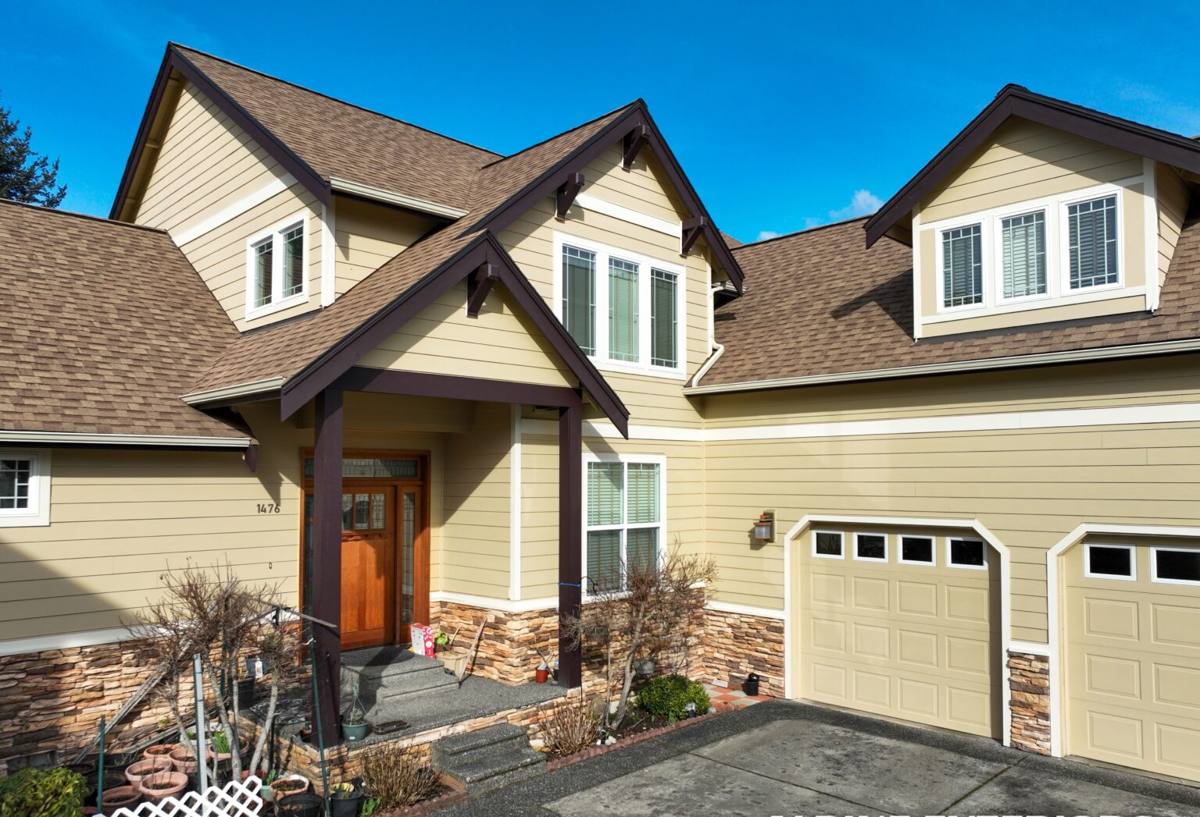
Signs Your Tara Home's Windows Are Ready for Replacement
Not every window problem is obvious from inside the house. Some of the most serious issues show up as small details that get worse over time. Before you commit to replacement, it helps to know what you're actually looking at.
- Fogging or a permanent haze between panes — the seal has failed and the insulating gas is gone
- Frames that feel soft, chalky, or pitted, especially aluminum frames facing west or south
- Windows that are difficult to open, close, or lock, which can mean the frame has shifted or warped
- Visible daylight or drafts around the frame when the window is fully closed
- Water staining, bubbling paint, or soft drywall below or beside a window after heavy rain
- Noticeably higher cooling bills without a clear cause elsewhere in the home
- Hardware — cranks, latches, hinges — that's corroded or seized from years of salt air exposure
What a Correct Window Installation Actually Involves
Swapping an old window for a new one in the same hole is not the same thing as installing it correctly. In coastal Florida, the installation details matter as much as the window itself.
Flashing and Weatherproofing That Actually Works
Wind-driven rain in a Manatee County storm doesn't fall straight down — it gets pushed sideways and upward against the building envelope. That means flashing has to be layered correctly around the rough opening, sill pans need to direct any intruding water back out rather than into the wall cavity, and sealants have to be rated for sun and salt exposure, not just general-purpose caulk that breaks down in a season or two. Skipping or rushing this step is the single most common cause of hidden water damage behind a "new" window.
Meeting Florida's Wind Load and Impact Codes
Manatee County isn't in Florida's High-Velocity Hurricane Zone — that designation applies to Miami-Dade and Broward Counties — but homes here still fall within the state's wind-borne debris region under the Florida Building Code. In practice, that means most replacement windows need to carry a Florida product approval rating for wind pressure and, in many cases, impact resistance, and the installation has to be permitted and inspected to confirm it meets that rating. This isn't optional paperwork; it's what keeps a window in its opening — and keeps your roof and interior dry — during a real wind event.
Fastening Into Stucco and Block Construction
Most homes in this part of Bradenton are built on concrete block with a stucco finish, which is a good, durable wall system when the window installation respects it. Anchoring has to go into solid substrate with the correct fastener type and spacing for the window's rated wind load, and any stucco disturbed during removal has to be patched and sealed properly, not just caulked over. Done wrong, you end up with a window that looks fine but isn't actually secured the way its rating assumes.
Choosing the Right Windows for a Tara Home
There's no single "best" window for every house — the right choice depends on your budget, how much sun a given elevation gets, and how much maintenance you're willing to keep up with. Frame material is usually the first decision point.
| Frame Material | UV / Heat Resistance | Salt Air Resistance | Maintenance |
|---|---|---|---|
| Vinyl | Good; modern formulations resist yellowing and warping | Very good; won't corrode | Low — no painting or sealing needed |
| Aluminum | Fair; can transfer heat and expand/contract with sun exposure | Weaker unless properly coated; prone to pitting over time near the coast | Moderate — coatings need periodic attention |
| Fiberglass | Excellent; very stable under heat and sun | Excellent; naturally corrosion-resistant | Low, but higher upfront cost |
Glass package matters just as much as frame material. Low-E coatings cut down on the heat gain that Florida's sun pushes through a window all year, and laminated glass — the kind used in most impact-rated windows — adds a layer of protection against both wind-borne debris and everyday break-in attempts, since it stays intact even when cracked.
Impact-Rated Glass vs. Non-Impact With Shutters
Homeowners in Tara generally choose between two approaches to meeting the wind-borne debris requirement: impact-rated windows with laminated glass built in, or standard windows paired with code-approved shutters or panels that go up before a storm. Impact windows cost more upfront but require no action when a storm is approaching, cut down on outside noise year-round, and typically offer better UV filtering since the laminated interlayer blocks a significant amount of it. Shutter systems cost less initially but mean physically deploying protection every time a storm threatens, and they only protect the glass during that window of time — not from daily UV and heat exposure. Neither option is wrong; it's a genuine trade-off between upfront cost and long-term convenience, and it's worth discussing honestly rather than defaulting to whichever is cheaper to quote.
Our Window Installation Process
- On-site assessment: we check each opening for size, level, substrate condition, and any existing water damage before recommending anything
- Product selection: we walk through frame material, glass package, and impact vs. shutter options based on your budget and the sun exposure on each side of the house
- Accurate measurement and ordering: windows are ordered to the exact opening, not a generic stock size
- Permitting: we handle the permit application with the local building department before any work starts
- Removal: old windows and any compromised framing or stucco around the opening are removed carefully to avoid unnecessary damage
- Installation: the new window is set, shimmed level and plumb, anchored per its wind-load rating, and flashed and sealed correctly
- Finish work: stucco patching, trim, and interior finish are matched to the surrounding wall
- Inspection and walkthrough: we schedule the required inspection and walk the finished job with you before calling it done
Permits and Inspections in Bradenton and Manatee County
Window replacement in this area requires a permit in nearly every case, and the local building department will inspect the completed work to confirm the installed product matches its approved rating and was installed to code. This protects you two ways: it confirms the windows are actually rated for the wind conditions they're sold for, and it keeps your homeowner's insurance documentation clean if you ever need to file a claim or prove wind mitigation credits. A contractor who skips the permit step is cutting a corner that becomes your problem later, not theirs.
Why It Matters to Hire a Crew That Already Works in Tara
A crew that regularly works in this community knows the general construction patterns common to Tara's homes, understands the permitting process with the local building department, and isn't guessing at what a typical opening, wall assembly, or stucco finish in this area looks like before they arrive. That familiarity translates into fewer surprises mid-project, more accurate quotes, and a job that respects any architectural or exterior guidelines your community may have in place. It also means faster response if a question comes up after installation — you're not waiting on a crew that has to drive across the county for a five-minute fix.
Keeping New Windows Performing in Bradenton's Climate
New windows still need a little upkeep to get their full lifespan out of this climate. Rinse frames and hardware periodically to clear salt residue, especially after storms. Keep weep holes along the bottom of the frame clear of debris so water can drain as designed. Check caulking and sealant lines once a year for cracking or separation, and address it early rather than after water has already found its way behind the frame. None of this is heavy maintenance — it's the difference between a window that looks and performs well for twenty years and one that starts failing at year eight.
If your Tara home's windows are original, underperforming, or you're just not sure what condition they're really in, we're happy to take a look. Fill out the form below for a free, no-pressure estimate — we'll give you an honest read on what your windows need and what your options actually cost.