 Bradenton Siding
 Anna Maria Island Sees More Siding Stress Than Most of Manatee County
Every home in our service area deals with Florida sun and summer storms, but a barrier island property takes a heavier beating than a home a few miles inland. Anna Maria Island sits directly on the Gulf, which means constant salt-laden air moving across every exterior surface, day and night, year-round. Add in intense UV exposure with almost no seasonal break, wind-driven rain that gets pushed sideways into wall assemblies during storms, and the real risk of hurricane-force gusts, and you have a combination that ages ordinary siding materials fast.
Salt air is corrosive to metal fasteners and trim, it accelerates the breakdown of coatings and caulking, and it settles into porous or poorly sealed materials in a way that inland homes never have to deal with. UV breaks down pigments and surface resins over time, which is why paint on older siding tends to chalk and fade faster on the island than it does further from the coast. None of this means siding can't hold up here — it means the material, the finish, and the installation details all have to be chosen with that exposure in mind, not treated as an afterthought.
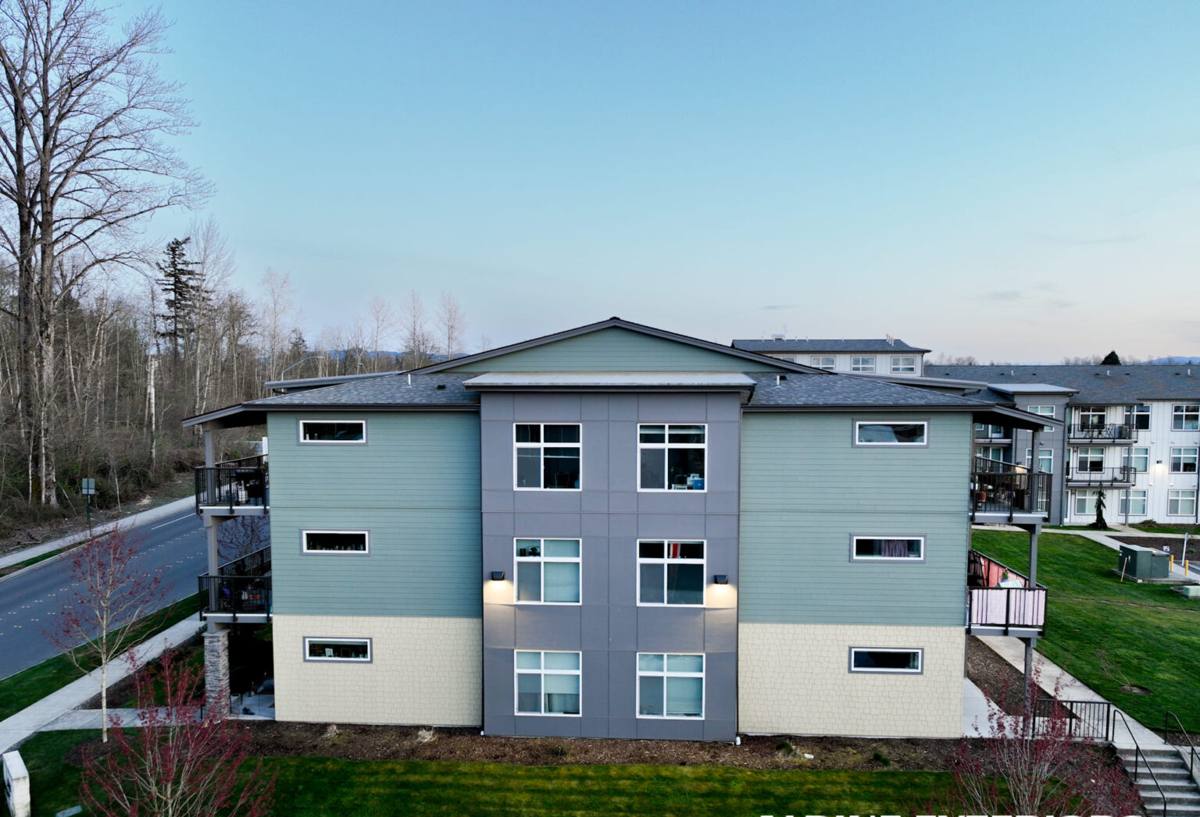
Why We Standardized on James Hardie for Coastal Work
We install James Hardie fiber cement siding exclusively — we don't offer vinyl, LP SmartSide, Cemplank, Allura, or wood alternatives like primed spruce or cedar. That's a deliberate standard, not a limitation of what we're capable of installing. Fiber cement is non-combustible, dimensionally stable in heat and humidity, and doesn't warp, rot, or become a target for wood-boring insects the way traditional wood siding can. James Hardie also engineers products specifically for humid, high-UV coastal climates through its HZ5 line, which is formulated for exactly the conditions Manatee County delivers.
The ColorPlus factory finish is a big part of why we trust it near saltwater. It's baked on in a controlled environment with a finish designed to resist fading and hold color longer than field-applied paint, and it carries its own multi-year finish warranty separate from the product warranty. On a barrier island, where UV and salt work on a painted surface constantly, that difference matters more than it would on a shaded inland lot.
What a Correct Install Actually Involves
Flashing and Water Management Come First
Most siding failures — on any brand, in any climate — trace back to water getting behind the material, not the material itself failing. On Anna Maria Island, wind-driven rain during tropical storms and seasonal squalls pushes water into any gap that isn't properly flashed and lapped. Correct installation means window and door flashing integrated with a weather-resistant barrier, proper head flashing above openings, and consistent drip caps and kick-outs directing water away from the wall assembly rather than into it. This is the part of the job that never shows up in a finished photo but determines whether the siding is still performing correctly in ten years.
Fastening for Wind, Not Just Gravity
James Hardie publishes fastening schedules that vary by exposure category, and coastal, high-wind zones call for tighter nailing patterns and specific fastener types than a sheltered inland installation. Using the wrong fastener spacing — or corrosion-prone fasteners in a salt air environment — is a common shortcut that won't show a problem on day one but becomes a callback within a few years as boards loosen or fasteners corrode and stain the face of the siding.
Joints, Caulking, and Trim Details
Butt joints, corner boards, and trim intersections are where a lot of coastal siding jobs age poorly if they're rushed. Hardie's installation guidelines call for specific gapping and sealant practices at joints to allow for expansion while keeping water out. Skipping this, or using a generic caulk not rated for sustained UV and salt exposure, is exactly the kind of detail that separates a job that looks fine at closing from one that still looks fine five hurricane seasons later.
Matching the Right Hardie Product to an Island Home
Not every Hardie product line is the right fit for every home style, and on Anna Maria Island the mix of older Florida cottages, elevated coastal construction, and newer builds means we're regularly specifying different profiles depending on the house.
| Product | Typical Use | Why It Fits Coastal Homes |
|---|---|---|
| HardiePlank lap siding | Most common residential wall covering | Traditional look, wide color and texture range, engineered HZ5 formulation for humid coastal climates |
| HardiePanel vertical siding | Board-and-batten style, accent walls, gable ends | Clean vertical lines popular on Gulf-front and cottage-style homes |
| HardieShingle siding | Accent areas, coastal cottage and craftsman styles | Shingle look without the moisture and pest issues of real wood shingle |
| HardieTrim boards | Corners, fascia, window and door surrounds | Stable, paintable trim that resists the swelling and rot wood trim suffers in salt air |
We walk through these options on-site rather than defaulting to one profile for every house — the right call depends on the home's age, elevation, existing architecture, and any HOA or deed-restriction requirements common in some Anna Maria Island communities.
Our Process for an Anna Maria Island Install
- On-site inspection of existing siding, trim, and any moisture or fastener issues found during removal
- Product and color selection, including a look at how the ColorPlus finish will read in direct Gulf sunlight versus a shaded elevation
- Confirmation of permitting requirements through Manatee County and any applicable wind-load or flood-zone considerations for the property
- Removal of old siding and inspection of the wall sheathing underneath for hidden water damage before anything new goes up
- Installation of a weather-resistant barrier, correct flashing at every penetration, and fastening to the wind-exposure schedule for the site
- Final trim, caulking, and a walkthrough before we consider the job complete
Barrier island logistics also factor into scheduling. Material staging, dumpster placement, and equipment access are tighter on island lots than on a typical mainland Bradenton property, and bridge traffic during peak season affects how we sequence delivery and crew timing. A crew that's done this before on the island plans around it instead of learning it mid-project.
Salt Air and Corrosion: Details Most Crews Miss
Salt air doesn't just affect the siding face — it works on everything attached to the wall. Fastener corrosion is one of the most common issues we see on older coastal homes, where standard fasteners were used instead of corrosion-resistant hardware, leaving rust streaks bleeding through the paint years later. The same goes for flashing metal: mixing incompatible metals near saltwater exposure can accelerate galvanic corrosion at the joint. None of this is visible on installation day, which is exactly why it gets skipped by crews that aren't used to building this close to the Gulf. We spec hardware and flashing materials for the exposure, not just for the cheapest pass of inspection.
What Affects Cost on an Anna Maria Island Project
| Cost Factor | Why It Matters on the Island |
|---|---|
| Site access and staging | Narrower lots and limited parking on many island streets can slow material delivery and require more careful equipment placement |
| Existing wall condition | Homes with prior water intrusion may need sheathing repair before new siding goes on, which isn't visible until removal |
| Home elevation and design | Elevated coastal construction and multiple stories add scaffolding and safety planning that flat single-story homes don't require |
| Product line and trim scope | Mixing lap siding, panel accents, and custom trim work costs more than a single straightforward profile |
| Permitting and inspections | County permitting timelines and required inspections factor into overall project scheduling |
We give a written, itemized estimate after the on-site walkthrough rather than a phone quote — there's too much variation between island properties to price accurately any other way.
Maintaining Hardie Siding in a Salt Air Environment
James Hardie siding is low-maintenance compared to wood or vinyl, but "low-maintenance" doesn't mean "no maintenance," especially this close to the Gulf. A simple seasonal routine goes a long way toward protecting the investment:
- Rinse the exterior with a garden hose a few times a year to clear accumulated salt residue, focusing on Gulf-facing walls
- Inspect caulking at joints, window trim, and corner boards annually and reseal any cracked or shrunken sections before rainy season
- Check fastener heads and trim for any early rust staining and address it before it spreads
- Keep irrigation heads and sprinklers from spraying directly on siding, which causes localized mineral staining over time
- Trim back landscaping so foliage isn't holding moisture against the wall
- Have the siding and flashing checked after any major storm, not just when damage is obvious
Why Hiring a Crew That Already Works Anna Maria Island Matters
A siding job on the island isn't the same job as one a few miles inland, even with identical materials. Crews unfamiliar with barrier island conditions often underestimate how fast salt air ages unprotected fasteners, how tight some lots are for staging, or how HOA and deed-restriction rules in certain island communities affect color approval and project timing. We work in this area regularly, which means fewer surprises mid-project and a finished install specified for the exposure the home actually faces — not a generic inland spec applied to a Gulf-front property.
If you're weighing a siding replacement or repair on Anna Maria Island, we're happy to walk the property, look at what's there now, and put together a straightforward, no-pressure estimate using the form below.