 Bradenton Siding
 New-Construction Windows for Bayshore Gardens Homes
Bayshore Gardens sits close enough to Sarasota Bay that salt air, wind-driven rain, and direct sun are a daily fact of life for anything installed on the outside of a house. When you're building an addition, closing in a lanai, replacing a whole wall of glass, or finishing new construction, the windows you choose and how they're installed matter more here than they would inland. This page is specifically about new-construction window installation — setting windows into a stud-framed rough opening with a nailing fin, not popping a replacement window into an existing frame — and what that job needs to look like for a Bayshore Gardens home.
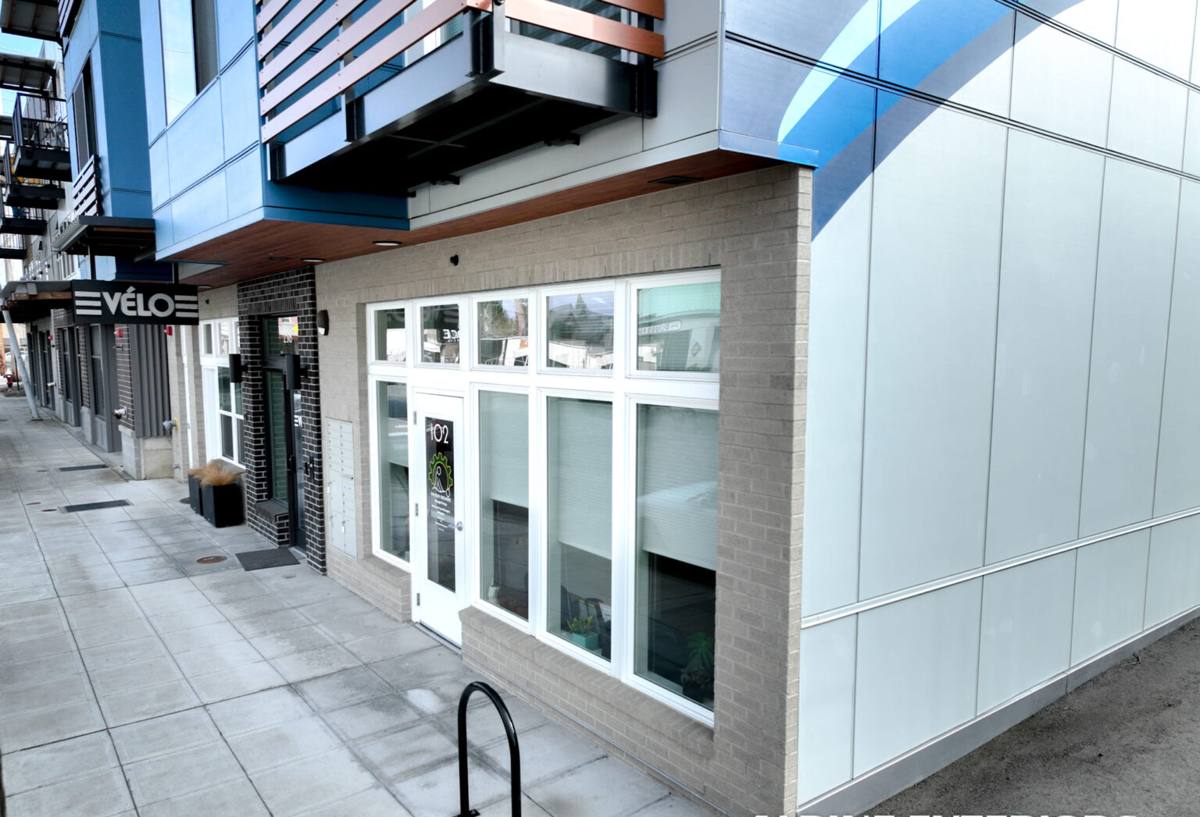
New-Construction vs. Replacement: Why the Distinction Matters
A new-construction window has a nailing fin (also called a nail flange) around its perimeter that gets fastened directly to the wall sheathing before stucco, siding, or trim goes on. It's the correct choice any time you're working with an open rough opening — new builds, additions, room conversions, or a gutted wall where the old frame is being removed entirely rather than reused.
A replacement (pocket) window, by contrast, is sized to slide into an existing, intact frame and relies on that old frame and its original flashing. Using the wrong type in the wrong situation is one of the more common ways a window ends up leaking a year or two later — a nail-fin window installed without proper flashing into an open stud bay, or a pocket window forced into a rough opening it was never designed for. If you're not sure which situation you're in, that's worth a conversation before any product gets ordered.
When Bayshore Gardens Projects Typically Call for New-Construction Windows
- New home builds and full additions
- Converting a screened lanai or Florida room into conditioned living space
- Removing a wall section for a larger opening (can't reuse the old frame's dimensions)
- Post-restoration rebuilds where the wall was opened down to studs anyway
- Older homes where the original framing or sill has rot, termite damage, or is out of square
What Manatee County's Climate Actually Does to a Window
Manatee County windows deal with a combination that inland markets don't: intense, near year-round UV that breaks down vinyl, gaskets, and sealants faster than in cooler climates; wind-driven rain that gets pushed sideways and upward under eaves during summer storms; salt-laden air off the Gulf and Sarasota Bay that accelerates corrosion on hardware, screens, and fasteners; and, during hurricane season, sustained high winds and airborne debris that put real structural load on the glass and frame. None of these show up as a dramatic failure on day one — they show up two, five, or ten years later as a stuck sash, a fogged double-pane unit, a rusted lock, or water staining on the drywall below the sill. A window and installation method that's fine in a drier, calmer climate can still fall short here even if it "looks right" going in.
The Failure Points We See Most
- Sealant breakdown — UV and heat cycling dry out and crack exterior caulking well before the window itself wears out
- Corroded hardware — cheaper hinges, cranks, and screen clips rust or seize from salt air exposure
- Water intrusion at the fin — improperly lapped flashing lets wind-driven rain track behind the nailing fin and into the wall cavity
- Seal failure in insulated glass — heat and humidity cycling can shorten the life of a double-pane unit's edge seal, leading to fogging between the panes
Wind Zone and Impact Requirements in Manatee County
Florida's building code sets minimum wind-load and impact protection requirements based on where a property sits relative to the coast, and those requirements get pulled directly into the local permit for any new-construction window install. Bayshore Gardens' proximity to the water generally means projects here fall under wind-borne debris region rules, which call for either impact-rated windows or an approved separate protective system on every opening — this isn't a homeowner preference, it's a permitting requirement enforced by Manatee County. Every window we install carries a valid Florida product approval (NOA or state approval number) matched to the design pressure and exposure category of the specific project, and the permit application reflects that.
This is also why buying a window off a big-box shelf and having it installed without a permit is a real risk in this area — if it isn't rated and documented correctly for your wind zone, it can hold up a certificate of occupancy, cause problems at resale, or simply not perform in a storm the way code assumes it will.
What a Correct Installation Actually Involves
The window product itself is maybe half the equation. The other half is installation sequence, and it's where most long-term problems either get prevented or built in.
Rough Opening and Flashing
The rough opening gets checked for square, level, and correct dimensions before the window ever shows up on site. A sloped sill pan is installed first so any water that does get past the window sheds back outward instead of pooling on the sill. Flashing tape gets applied in the correct shingle-lap order — sill, then jambs, then head — so water is always directed down and out, never trapped behind a layer.
Setting and Fastening the Window
The window is set, shimmed plumb and square, and fastened through the nailing fin at the spacing the manufacturer's installation instructions specify — skipping fasteners or spacing them too far apart is a common shortcut that weakens wind performance without being visible from either side once trim goes on.
Sealing and Insulating
Low-expansion foam or backer rod and sealant fills the gap between the frame and rough opening for insulation and air sealing, and exterior sealant is tooled at the perimeter using a product rated for sun and moisture exposure — not a bargain caulk that will crack within a season or two of Bradenton sun.
Final Weatherproofing
Once siding, stucco, or trim goes back on around the window, the exterior water-management layer (house wrap or equivalent) is lapped correctly over the flashing so the whole wall system sheds water as one continuous plane, not a patchwork with gaps at the window edges.
Choosing the Right Window for a Bayshore Gardens Home
Frame material and glass package both affect how a window holds up to sun, salt, and storms. There's no single right answer for every home — it depends on budget, exposure, and how the opening is used — but here's how the common options compare for this area:
| Option | Strengths in Bayshore Gardens' Climate | Trade-offs |
|---|---|---|
| Impact-rated vinyl | No shutters needed, good UV-stabilized frames available, competitive cost | Frame color/finish options more limited than aluminum |
| Impact-rated aluminum | Slimmer sightlines, strong for larger openings, holds up well structurally | Higher material cost, conducts heat unless thermally broken |
| Non-impact glass + code-approved shutters | Lower up-front window cost | Shutters must be deployed before every storm; added maintenance and a step someone has to remember |
| Laminated impact glass, various frame types | Blocks nearly all UV transmission, reduces fading and heat gain indoors | Heavier units, slightly higher cost than standard glass |
Our standard recommendation for new construction and additions in this area is impact-rated glass in the primary frame material you're already using elsewhere on the house, so sightlines and finish stay consistent. We'll walk through the honest trade-offs for your specific project rather than push one option across the board.
Our Process
- On-site visit to measure openings, check framing condition, and discuss wind zone and code requirements for the property
- Written proposal specifying window brand, series, glass package, and impact rating — no vague line items
- Permit pulled with Manatee County before any work starts
- Rough openings prepped, flashed, and inspected before windows are set
- Windows installed per manufacturer specification and code-required fastening schedule
- Exterior sealed and integrated with the wall's water-management layer
- Final walkthrough and documentation for your permit closeout and insurance records
Cost Factors to Expect
| Factor | Why It Moves the Price |
|---|---|
| Window size and quantity | Larger openings and multi-window runs need heavier glass and more structural framing |
| Impact rating | Impact glass and reinforced frames cost more than standard glass but remove the need for separate shutters |
| Frame material | Vinyl, aluminum, and other frame materials sit at different price points before impact rating is even factored in |
| Opening condition | Rot, out-of-square framing, or sill damage found once the wall is open adds repair time before windows can be set |
| Permitting and inspections | Wind-borne debris region permitting adds documentation and inspection steps that are part of doing it correctly |
Exact numbers depend on the specifics of your project — we'll give you a real, itemized figure after seeing the openings in person rather than a generic per-window estimate that doesn't hold up once work starts.
Why a Crew That Already Works Bayshore Gardens Makes a Difference
Manatee County's permitting process, wind zone requirements, and inspection expectations aren't identical to every county in Florida, and a crew that pulls permits here regularly knows what the inspectors are actually looking for at each stage — sill pan before insulation goes on, flashing lap order, fastener spacing — instead of learning it project by project. Working this specific area also means we've seen how salt air and coastal exposure affect different products over time, which shapes what we recommend and what we steer clients away from. For a homeowner, that translates into fewer surprises mid-project and a better shot at the installation performing the way it's supposed to for the next hurricane season, not just passing final inspection.
If you're planning new construction, an addition, or a lanai conversion in Bayshore Gardens, we're happy to take a look and give you a straight answer on what your project needs. Use the form below to request a free, no-pressure estimate.