 Bradenton Siding
 Asphalt Shingle Roofing Built for Mill Creek's Climate
Homes in Mill Creek face a specific combination of stress that a lot of roofing crews from outside the area simply don't plan for. Manatee County sits in a zone that sees hurricane-force wind gusts during storm season, intense UV exposure nearly every day of the year, wind-driven rain that finds its way into the smallest gaps, and salt-laden air drifting in off the Gulf. None of these forces are unusual on their own. The problem is that they all hit the same roof, year after year, and a shingle system that isn't installed with all four in mind will show it early — curling edges, granule loss, lifted tabs, or a slow leak that starts at a flashing detail nobody checked.
This page is about one job done right: asphalt shingle roofing for homes in Mill Creek. Not a general overview of roofing services, but what actually matters when you're deciding on a shingle roof for a house in this specific part of Bradenton.
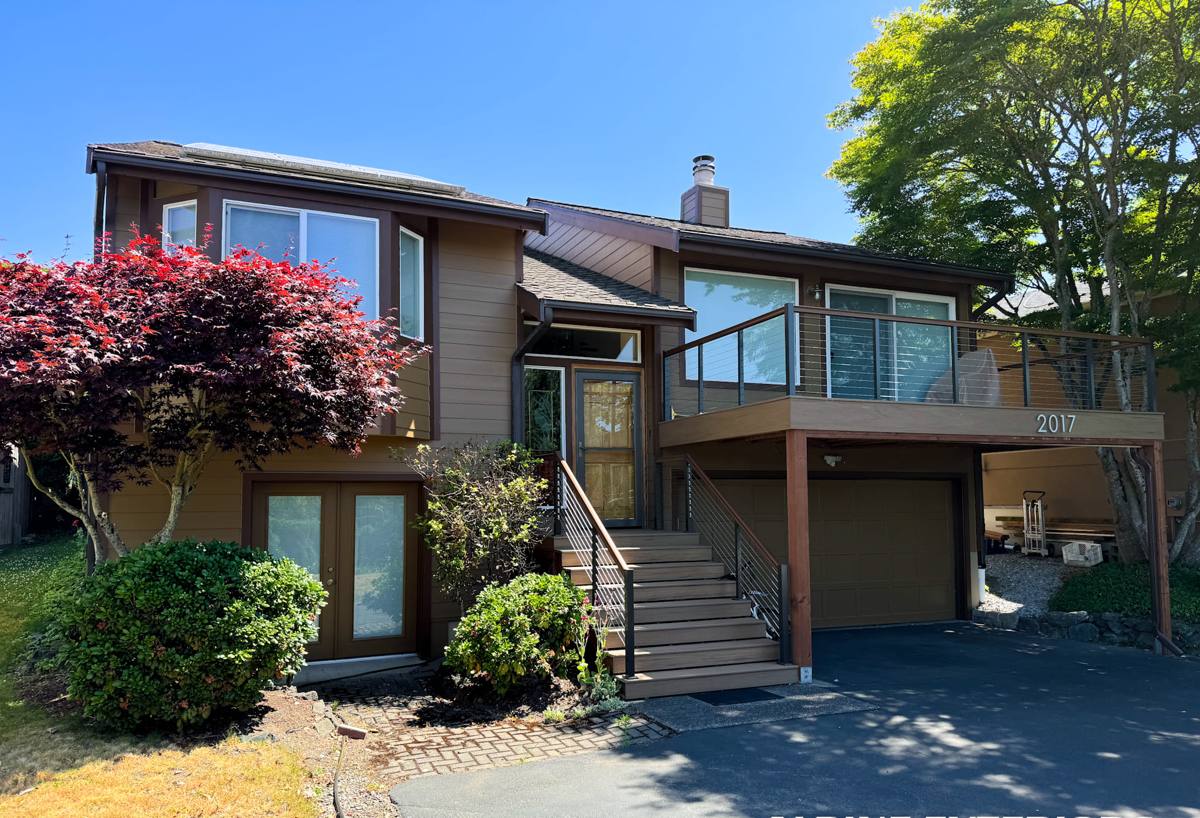
What Local Homes Need From a Shingle Roof
An asphalt shingle roof in Mill Creek has to do more than shed water. It needs to hold up to repeated wind-uplift events, resist heat-driven aging, and keep moisture out even when rain is being driven sideways under the shingle tabs. A roof that would be perfectly adequate somewhere with milder weather can fall short here within a few years if the installation cuts corners in places you can't see from the ground.
Wind Resistance
Bradenton's exposure to tropical systems means every shingle roof should be installed to meet or exceed the wind-rating requirements for our area, not just the manufacturer's minimum nailing instructions. The difference between a roof that survives a bad storm season and one that loses shingles usually comes down to nailing pattern, fastener count, and whether the starter course and hip/ridge details were done to spec — not the shingle brand printed on the wrapper.
UV and Heat Aging
Florida sun breaks down asphalt shingles faster than in most of the country. Granule loss, oil depletion, and brittleness all accelerate with constant UV exposure, especially on south- and west-facing slopes. Proper attic ventilation matters here as much as the shingle itself — a roof deck that's trapping heat will age the shingles above it prematurely, regardless of the product's rated lifespan.
Wind-Driven Rain
Rain that's been pushed horizontally by wind doesn't behave like rain falling straight down. It gets up under tabs, around penetrations, and into any seam that wasn't sealed correctly. This is why underlayment selection and flashing detail work carry more weight in our climate than in drier, calmer regions.
Salt Air
Mill Creek's proximity to the coast means a steady, low-level exposure to salt in the air. Over time, salt accelerates corrosion on exposed metal — flashing, fasteners, vent stacks, and drip edge. We factor that into material choices, favoring corrosion-resistant metal components so the roof's weak points aren't hiding in the details.
What a Correct Installation Actually Involves
A shingle roof is a system, not a single product. Each layer has a job, and skipping or rushing any one of them is where most premature failures start.
Deck Inspection and Repair
Before anything goes down, the roof deck gets inspected for soft spots, delamination, or water damage from a prior leak. Shingles installed over a compromised deck will never perform correctly, no matter how good the shingle is.
Underlayment and Water Barrier
Given how much wind-driven rain this area sees, we treat underlayment as a real second line of defense, not a formality. Self-adhering underlayment at eaves, valleys, and other vulnerable areas gives the roof a backup layer if wind ever forces water past the shingle surface.
Nailing Pattern and Fastener Count
This is where a lot of wind-related failures actually originate. Correct nail placement, nail count per shingle, and fastener type all affect how well a roof holds up under sustained gusts. We follow manufacturer specs built for high-wind zones, not the minimum standard.
Flashing at Every Penetration
Chimneys, vent pipes, skylights, and wall transitions are the most common places a shingle roof leaks — almost never the open field of shingles itself. Properly formed and sealed flashing at every one of these points is non-negotiable.
Ventilation
Balanced intake and exhaust ventilation keeps attic temperatures and moisture levels in check, which protects both the roof deck from below and the shingles from premature heat aging above.
Choosing the Right Shingle for This Climate
Not every asphalt shingle product is a good fit for a coastal, hurricane-exposed area. The table below compares the main categories homeowners in Mill Creek typically choose between.
| Shingle Type | Typical Wind Rating | Relative Cost | Best Fit |
|---|---|---|---|
| 3-Tab | Lower wind rating, lighter construction | Lowest | Budget-conscious projects on structures with simpler roof lines |
| Architectural / Dimensional | Higher wind rating, heavier and thicker | Mid-range | Most Mill Creek homes — best balance of durability, appearance, and value |
| Impact-Resistant (Class 4) | Highest available wind and impact rating | Higher upfront | Homes prioritizing storm resilience and potential insurance considerations |
For most homes in this area, we steer conversations toward architectural shingles rated for high-wind zones. They cost more than 3-tab but hold up substantially better against the wind and UV load this region deals with every year, which usually makes them the better long-term value rather than the cheaper short-term choice.
Signs Your Mill Creek Roof May Need Attention
Asphalt shingle roofs rarely fail all at once — there are usually warning signs first. Worth checking for periodically, especially after a windy storm:
- Shingles that are curling, cupping, or have visibly lifted edges
- Bald patches where granules have worn away, exposing the darker asphalt beneath
- Shingles missing entirely, or fragments in the yard after a storm
- Soft or spongy spots when walking the roof, indicating deck damage below
- Streaking, dark stains, or moss/algae growth on north-facing slopes
- Water stains on interior ceilings or in the attic, even faint or old-looking ones
- Rusting or lifting flashing around chimneys, vents, or skylights
- Sagging rooflines, which can indicate deeper structural issues
Any one of these is worth a look before it turns into an interior leak or a bigger repair bill.
Repair or Full Replacement?
Not every roofing problem in Mill Creek requires a full tear-off. The right call depends on a handful of factors we walk through during an on-site inspection.
| Factor | Leans Toward Repair | Leans Toward Replacement |
|---|---|---|
| Roof age | Well within expected shingle lifespan | Near or past the end of its rated life |
| Extent of damage | Isolated to one area or a single storm event | Widespread across multiple slopes |
| Deck condition | Solid, no rot or soft spots found | Signs of moisture damage or delamination |
| Prior layers | Single layer, straightforward tie-in | Multiple existing layers or old repairs stacked up |
| Leak history | First occurrence, clear single cause | Recurring leaks in different spots |
We'll always tell you honestly which side of that line your roof falls on. A well-timed repair can add years to a roof's life; patching a roof that's genuinely done just delays a bigger expense.
How Our Process Works
- Inspection and estimate. We walk the roof, check the deck and attic where accessible, and give you a clear, honest assessment — repair or replace — along with a written estimate.
- Prep and tear-off. Old material comes off down to the deck, the deck itself gets inspected and repaired where needed, and the property is protected before work begins.
- Installation. Underlayment, flashing, and shingles go down to manufacturer specs built for high-wind installation, with attention to every penetration and transition point.
- Final inspection and cleanup. We check the finished roof, walk the property for debris and nails, and confirm everything meets the standard we install to before calling the job done.
Permits and Local Requirements
Roofing work in Manatee County typically requires a permit and inspection, and code requirements are built around wind resistance given our exposure to tropical storms and hurricanes. We handle the permitting process as part of the job, so you're not left navigating county requirements on your own. It's worth being cautious of any contractor who suggests skipping the permit step — it's there for your protection, and it matters at resale.
Why Local Experience in Mill Creek Matters
Roofing crews that work this specific area regularly develop a feel for how houses here actually perform over time — which details tend to fail first, how the coastal salt air affects metal components, and what a shingle roof needs to hold up through a full Florida storm season, not just look good on installation day. That kind of experience shows up in the small decisions: fastener choice, flashing details, and where a roof is worth reinforcing beyond the bare minimum. It's the difference between a roof that's technically installed to code and one that's actually built for where it sits.
If you're weighing a repair, a full replacement, or just want an honest read on where your roof stands, we're happy to take a look. Reach out for a free, no-pressure estimate — fill out the form below and we'll get back to you.