 Bradenton Siding
 Roofing in Tara: A Different Climate Than Most of the Country
Tara sits inland enough from the coast to avoid direct surf, but close enough that Bradenton's Gulf climate still runs the show. Roofs here deal with a combination most of the country never sees at the same time: sustained UV exposure nearly every month of the year, tropical downpours that come in sideways during summer storm season, hurricane-force wind events that test every nail and fastener, and a steady drift of salt-laden air off Tampa Bay and the Gulf that accelerates corrosion on metal components. Any one of those factors is manageable on its own. All four working on the same roof, year after year, is what separates a roof that lasts its full rated life from one that starts failing early.
A new roof installation in Manatee County isn't just a maintenance item — it's the single biggest factor in whether your home stays dry and structurally sound through the next major storm. We install roofs specifically to hold up under these conditions, not just to look good on installation day.
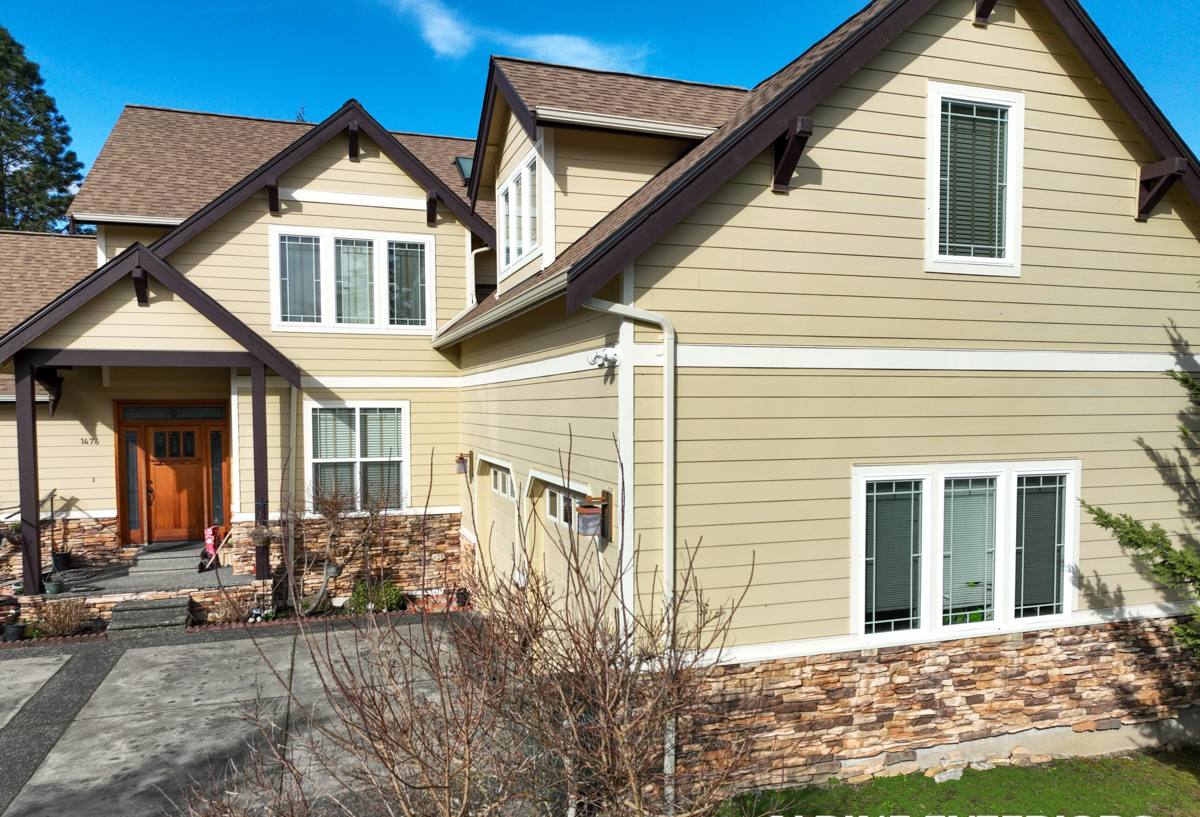
How Tara's Climate Actually Wears Down a Roof
UV and Heat
Florida sun is harder on roofing materials than most manufacturers' warranty testing assumes. UV breaks down the oils and resins in asphalt shingles over time, making them brittle. Constant heat cycling — hot afternoons followed by rapid cooling from afternoon storms — causes materials to expand and contract, which stresses seams, sealant strips, and fastener points faster than in milder climates.
Wind-Driven Rain
Straight-down rain is easy for any roof to shed. Wind-driven rain, which is the norm during Bradenton's summer storm season and any tropical system that comes through, pushes water sideways and upward under shingle edges, around flashing, and into any gap that a fair-weather installation might get away with. This is where underlayment quality and flashing detail work matter more than the shingle brand on the label.
Hurricane Wind Loads
Manatee County building code sets minimum wind-uplift requirements for a reason. A roof that's nailed, sealed, and fastened to current code standards behaves very differently in a 100+ mph gust than one installed to save time or materials. This is also the difference that shows up on your wind mitigation inspection and can affect your insurance premium.
Salt Air
Even well inland, salt carried on Gulf breezes settles on roofing metal — flashing, vents, valleys, drip edge — and accelerates corrosion over the years. Material choice and coating quality on these components matter more here than they would in a landlocked state.
Signs a Tara Home Needs Replacement, Not a Repair
Not every roof problem calls for a full tear-off. But there are clear signals that patching is no longer the honest answer:
- Shingles that are curling, cupping, or losing significant granules across large sections rather than one isolated spot
- Multiple past repairs in different areas — a sign the underlying materials are aging out across the whole roof, not just failing locally
- Visible daylight through the roof deck from the attic, or soft/spongy spots underfoot on inspection
- Recurring leaks after storms even after repairs, especially around valleys, chimneys, or skylights
- A roof approaching or past the manufacturer's rated lifespan, especially if it was installed before current wind-uplift code updates
- Visible sagging in the roofline, which can indicate deck or structural issues beneath the surface
If your roof is showing two or more of these, a full replacement is usually the more cost-effective long-term choice over another round of patchwork.
What a Correct New Roof Installation Actually Involves
A roof is a system, not a single layer. Skipping or shortcutting any layer is where premature failures start, especially in a climate that stresses every component. A correct installation for a Tara home includes:
Deck Inspection and Repair
Once the old roofing is stripped, the deck underneath gets inspected for water damage, rot, or delamination. Any compromised sections get replaced before anything new goes down — installing over a weak deck just guarantees a shorter lifespan for the new roof.
Underlayment
In a market with this much wind-driven rain, underlayment isn't a formality. A high-quality synthetic or self-adhering underlayment provides the actual water barrier beneath the shingles or tile — it's doing real work during every storm, not just serving as a base layer.
Flashing at Every Penetration
Valleys, chimneys, skylights, plumbing vents, and wall intersections are where the vast majority of leaks originate — not the open field of the roof. Properly formed and sealed flashing at each of these points is one of the most important details in the whole job.
Fastening to Current Wind-Uplift Code
Manatee County's building code specifies nailing patterns and fastener requirements based on local wind-zone ratings. Following these correctly — not the minimum that will pass a quick glance — is what determines how the roof performs in a real wind event.
Ventilation
Proper attic ventilation keeps roof deck temperatures and moisture levels in check. Under-ventilated roofs run hotter, which shortens shingle life, and can trap moisture that leads to deck rot from the inside out.
Choosing a Roofing System for a Tara Home
There's no single "best" roofing material — the right choice depends on your home's structure, your budget, and how long you want to go before your next replacement. Here's how the common options compare for this climate:
| Material | Typical Lifespan Here | Wind Performance | Key Trade-Off |
|---|---|---|---|
| Architectural asphalt shingle | 18–25 years | Good, when rated and installed to code | Best value; UV and heat cycling will still age it faster here than in milder climates |
| 3-tab asphalt shingle | 12–18 years | Lower wind rating than architectural | Lowest upfront cost, but shortest lifespan under Gulf Coast conditions |
| Concrete or clay tile | 30–50 years | Excellent when fastened correctly | Higher upfront cost and structural weight considerations; underlayment still does the real waterproofing |
| Standing seam metal | 30–50 years | Excellent | Higher cost; coating quality matters near salt air to resist corrosion |
We'll walk you through which of these makes sense for your specific home — its age, roof pitch, structure, and your budget — rather than pushing one product across every job.
Our Installation Process for Tara Homeowners
- On-site inspection and estimate. We assess your current roof, attic ventilation, and any problem areas, and give you a clear, honest quote — no pressure, no inflated scare tactics.
- Material selection. We go over the trade-offs above in the context of your actual home so you're picking based on facts, not just a glossy brochure.
- Permitting. We handle the Manatee County permit and ensure the job is inspected and documented correctly, which matters for both code compliance and your insurance records.
- Tear-off and deck inspection. Full removal of the old roofing, deck check, and repair of any compromised sections.
- Underlayment, flashing, and installation. Installed to current wind-uplift code, with attention to every valley, penetration, and edge detail.
- Final walkthrough and cleanup. We review the finished roof with you, confirm ventilation and drainage are working as intended, and clear the site of debris and nails.
Permits, Wind Mitigation, and Insurance
A new roof in Manatee County requires a permit, and the finished job needs to pass inspection against current wind-uplift standards. This isn't just paperwork — a properly permitted and documented installation is also what supports a wind mitigation inspection afterward, which can lower your homeowners insurance premium. We handle the permit process as part of the job and make sure the finished roof is documented the way your insurer will want to see it.
What to Expect and Questions Worth Asking
Before you sign with any roofing contractor for a job this size, a few things are worth confirming up front:
- Are you licensed and insured to work in Manatee County, and can you provide proof?
- Will you pull the permit yourselves, and is that included in the quote?
- What underlayment and fastening spec will you use, and does it meet current wind-uplift code — not just the minimum that passes inspection?
- Is deck repair, if needed, included or billed separately as it's discovered?
- What's the manufacturer's warranty, and is there a separate workmanship warranty from your crew?
- Will the same crew that quotes the job also be the one doing the physical installation?
A contractor who answers these clearly and without hedging is one who's confident in the work they do.
Why a Crew That Already Works in Tara Matters
Roofing done right in this part of Florida isn't generic work — it's shaped by the same wind zones, humidity, and storm patterns every home in Bradenton and the rest of Manatee County deals with. A crew that regularly works in Tara already knows the permitting process with the county, understands how homes in this community were built across different decades of construction, and has seen firsthand how roofs here actually fail — not just how they're supposed to perform on paper. That local familiarity translates into fewer surprises during the job and a roof that's built for the storms it will actually face.
Get a Straight Answer About Your Roof
If your roof is showing its age or you just want an honest assessment of where it stands, we're happy to take a look. Use the form below to request a free, no-pressure estimate — we'll walk your roof, explain what we find in plain terms, and give you options that fit your home and your budget.