 Bradenton Siding
 Siding Built for the Lakewood Ranch Climate
Lakewood Ranch sits inland from the coast, but "inland" in this part of Florida still means brutal sun, heavy summer humidity, wind-driven rain from tropical systems, and gusts strong enough to test every seam and fastener on a home's exterior. Add in the salt-tinged air that drifts across the whole Manatee County area during onshore flow, and you have a climate that is genuinely hard on building materials — even ones marketed as low-maintenance. Siding here doesn't just need to look good on installation day. It needs to hold its shape through summer heat cycles, shrug off wind-driven rain without letting moisture behind the wall, and still be doing that job in twenty years.
That's the standard we hold every Lakewood Ranch job to. We install James Hardie fiber cement siding exclusively — not vinyl, not LP SmartSide, not primed wood, not other fiber cement brands — because it's the product we trust to meet that standard when installed correctly.
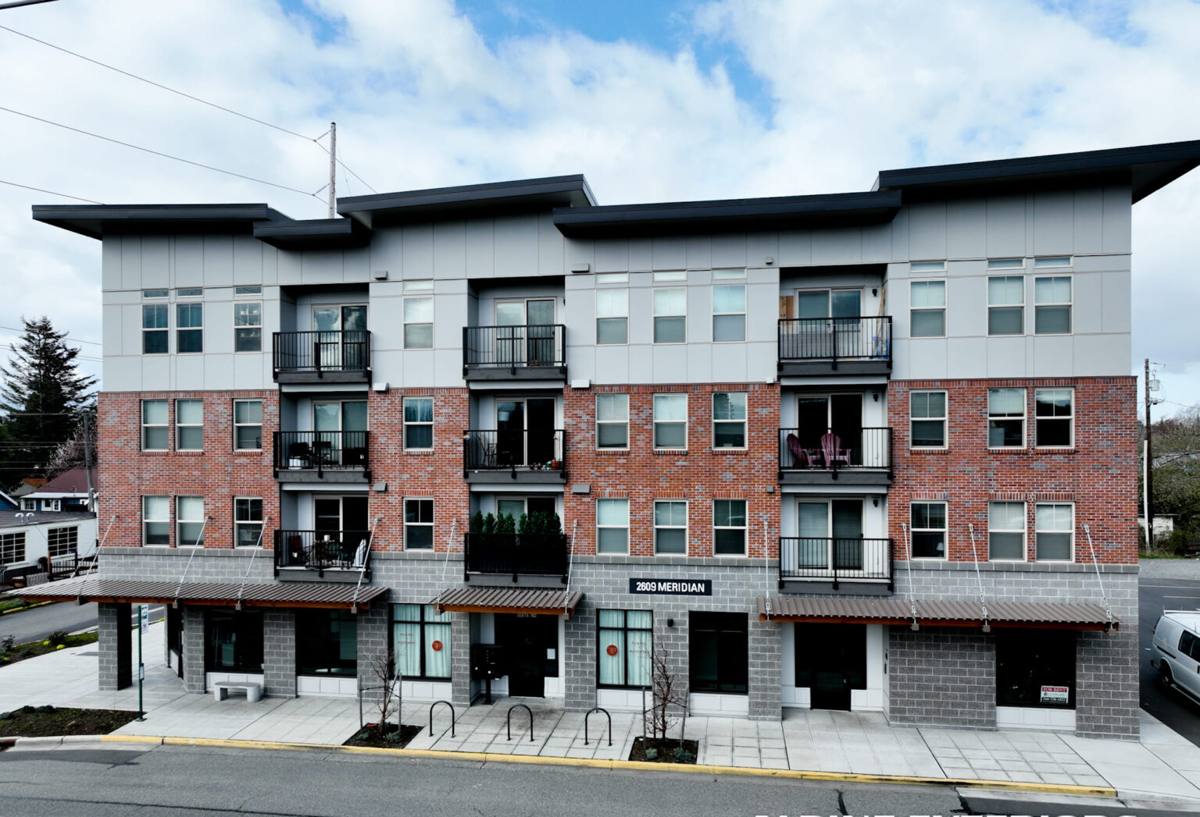
What Lakewood Ranch Homes Actually Need From Their Siding
A lot of siding problems in this area aren't really about the product failing outright — they're about a mismatch between the material and the conditions it's asked to survive. Before we talk about installation, it's worth being specific about what the climate here demands:
- UV stability — Florida sun is intense and constant, not seasonal. Materials and finishes that aren't engineered for it fade, chalk, or become brittle years ahead of schedule.
- Moisture management — wind-driven rain during storms doesn't fall straight down; it gets pushed sideways and upward into seams, laps, and penetrations. Siding and the water-resistive barrier behind it have to work together, not just look sealed.
- Humidity resistance — Manatee County's year-round humidity keeps siding damp longer than in drier climates, which accelerates rot, mold, and warping in anything wood-based or moisture-sensitive.
- Wind performance — hurricane and tropical-storm gusts put real uplift and impact stress on siding panels, trim, and fastening. Under-fastened or improperly spaced installations are where failures start.
- Dimensional stability — daily heat swings between full sun and afternoon storms cause materials to expand and contract. Products that move too much telegraph that stress through buckling, gapping, and popped fasteners.
This is the checklist we run every Lakewood Ranch estimate against — not just "what does the homeowner want it to look like," but "what does this specific product, in this specific climate, actually need to perform for the long haul."
Why We Standardized on James Hardie
James Hardie fiber cement is engineered from cement, sand, and cellulose fiber — it's non-combustible, doesn't absorb moisture the way wood-based products do, and holds its shape through the heat and humidity swings that are routine in this part of Florida. The ColorPlus factory-baked finish is a meaningful advantage here specifically: it's cured onto the board under controlled conditions before it ever reaches a job site, so it resists the fading and chalking that intense, near-constant Florida UV exposure causes on field-applied paint.
Hardie also builds region-specific product engineering into its lineup through what it calls HardieZone. Homes in our climate zone benefit from formulations designed around high humidity and moisture exposure — a detail that matters more here than in a drier, milder climate where that engineering would be overkill.
We get asked why we don't also offer vinyl, LP SmartSide, or other fiber cement brands. The honest answer is trade-offs. Vinyl can warp and become brittle under sustained heat and UV, and it doesn't hold up well to wind-driven debris the way a rigid fiber cement panel does. Wood-based engineered siding is more moisture-sensitive at cut edges and exposed seams, which is a real liability in a climate this humid. Other fiber cement brands may be reasonable products, but we don't have the same depth of installation experience, warranty backing, and factory support with them that we do with Hardie. Standardizing on one product line lets our crews install it the same correct way every time, rather than switching techniques and detailing from job to job.
What a Correct Fiber Cement Installation Actually Involves
Fiber cement siding is only as good as the installation behind it. Most of the failures we get called out to inspect on older homes trace back to installation shortcuts, not the material itself. A correct install includes:
Moisture barrier and flashing first
A properly lapped weather-resistive barrier goes on before a single piece of siding, with flashing integrated at every window, door, and penetration so water is directed out and away from the wall assembly — not trapped behind it. This is the step that matters most in a wind-driven-rain climate and the one most likely to be rushed on a low-bid job.
Correct fastening and clearances
James Hardie specifies exact fastener types, spacing, and placement for wind zones like ours, along with minimum clearances from grade, roofing, and other surfaces so the board can shed water and breathe as designed. Skipping these specs doesn't show up as a problem on day one — it shows up as buckling, cracking, or moisture intrusion a few years later.
Proper joint and seam treatment
Butt joints, corners, and panel seams need to be treated and caulked according to manufacturer detailing, with room left for the board's natural expansion and contraction through Florida's daily heat swings.
Manufacturer-compliant caulking and sealants
Using the wrong sealant, or skipping it at trim and penetrations, is a common shortcut that leads to water intrusion long before the siding itself would have failed on its own.
How Our Process Works on a Lakewood Ranch Job
- On-site assessment — we walk the exterior, check existing substrate condition, note problem areas (window/door flashing, old caulk, soft spots), and measure for material takeoff.
- Product and color selection — we go through Hardie's plank profiles, textures, and ColorPlus palette so the finished look fits the home and neighborhood.
- Prep and moisture barrier installation — old siding removal (where applicable), substrate repair, and correct weather-resistive barrier and flashing installation before any new siding goes up.
- Installation to manufacturer spec — fastening, spacing, and clearances installed to James Hardie's published requirements for our wind zone, not shortcuts.
- Trim, caulking, and finish detail — corners, joints, and penetrations sealed correctly, with attention to the detailing that keeps wind-driven rain out.
- Final walkthrough — we go over the finished job with the homeowner before we consider it done.
Comparing Siding Options for This Climate
| Material | UV/Fade Resistance | Moisture Behavior | Wind/Storm Durability | Long-Term Maintenance |
|---|---|---|---|---|
| James Hardie Fiber Cement | Strong — factory-baked ColorPlus finish | Doesn't absorb water like wood; climate-engineered HZ lines | Rigid, non-combustible, built for high wind zones | Low — periodic cleaning, no repainting cycle with ColorPlus |
| Vinyl | Can fade and become brittle under sustained heat/UV | Sheds water on the surface but seams can allow intrusion | Can crack or blow off in high wind/impact events | Low, but limited repair options once damaged |
| LP SmartSide / engineered wood | Requires field-applied finish maintenance | Moisture-sensitive at cut edges and seams | Moderate — depends heavily on installation quality | Higher — finish upkeep, edge sealing over time |
| Primed wood/cedar | Needs regular repainting/staining | Most moisture-sensitive option in humid climates | Moderate, but rot risk increases storm-related damage | Highest — ongoing painting, sealing, pest monitoring |
Signs Your Current Siding May Be Failing
Manatee County's climate tends to reveal problems earlier than they'd show up in a milder region. Worth checking for:
- Bubbling, peeling, or chalking paint that returns soon after repainting
- Soft or spongy spots when pressed, especially near the bottom courses and around windows
- Visible gaps, warping, or buckling panels after heat cycles or storms
- Cracked or missing caulk at seams, corners, and trim
- Discoloration or staining that suggests water is tracking behind the siding rather than off of it
- Rising energy bills that may point to a compromised moisture or air barrier behind aging siding
Any of these are worth a professional look before the next storm season, not after.
Why Hiring a Crew That Already Works Lakewood Ranch Matters
Fiber cement installation isn't complicated in theory, but getting it right in a coastal-influenced, hurricane-exposed climate takes repetition. A crew that installs Hardie siding regularly in this specific region has already worked through the wind-zone fastening requirements, the flashing details that hold up against wind-driven rain, and the humidity-driven scheduling considerations (cure times, moisture readings before closing up a wall) that a crew unfamiliar with Gulf Coast conditions might not think twice about. That local repetition is what separates a siding job that looks fine at handoff from one that's still performing correctly in a decade.
It also means faster, more realistic estimates — we're not guessing at regional wind ratings or local permitting expectations, we're working from what we already know applies here.
Get a Straightforward Estimate
If you're weighing a siding replacement or repair in Lakewood Ranch, we're happy to take a look and give you an honest read on your options — no pressure, no inflated urgency. Fill out the form below to schedule a free estimate.