 Bradenton Siding
 New-Construction Windows Built for Mill Creek's Climate
Mill Creek sits inland enough from Tampa Bay to feel a little removed from the coast, but Manatee County weather doesn't care much about that distinction. Homes here still take a beating from hurricane-force wind gusts during storm season, near-constant UV exposure the rest of the year, and the humidity and wind-driven rain that come with living in coastal Southwest Florida. When a home is being built or substantially expanded, the windows going into those rough openings are one of the biggest factors in how well the house holds up over the next twenty or thirty years.
New-construction windows are different from replacement windows in ways that matter a lot for durability. They're installed into a stud-framed rough opening before the exterior finish goes on, using a nailing fin and a full flashing sequence that ties into the home's weather-resistive barrier. Done correctly, that assembly is one of the strongest weak-point defenses a house has against wind-driven rain. Done poorly — rushed flashing, skipped sill pans, wrong fastener spacing — it becomes the reason a wall assembly rots from the inside out long before anyone notices a problem from outside.
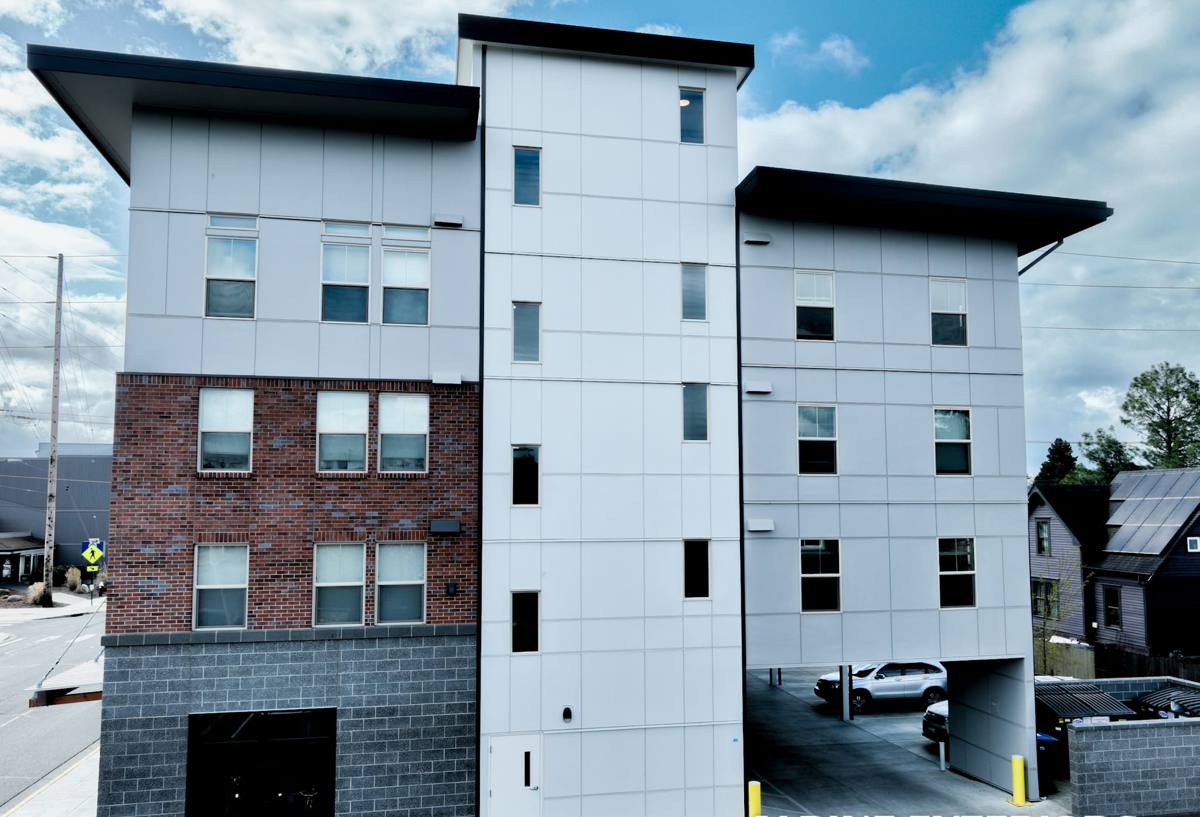
What Mill Creek Homes Actually Need From Their Windows
Wind Resistance
Manatee County sits within Florida's wind-borne debris region, which means new construction has to meet Florida Building Code wind load and impact requirements — either impact-rated glass or approved protective coverings, installed to code for the design pressure rating of that specific opening. Window size, wall height, and roof exposure all factor into what pressure rating a given opening needs, which is why a generic "hurricane window" label isn't enough — the product has to be rated and installed correctly for that specific house.
UV and Heat
Florida sun is relentless year-round, not just in summer. Un-coated glass lets in enough UV and infrared heat to fade flooring and furniture and to push cooling costs up noticeably. Low-E coatings and the right glass package matter more here than in most parts of the country — this isn't a cosmetic upgrade, it's a functional one.
Salt Air and Humidity
Even set back from the water, Bradenton-area homes deal with salt-laden air and high ambient humidity most of the year. That accelerates corrosion on hardware, fasteners, and lesser-quality frame components, and it means any gap in the moisture barrier around a window opening has a much shorter runway before it causes real damage than it would in a drier climate.
New-Construction vs. Replacement Windows: Why the Distinction Matters
Homeowners and even some contractors use these terms loosely, but the installation methods are genuinely different, and using the wrong one on a project causes problems.
| Factor | New-Construction Window | Replacement (Pocket) Window |
|---|---|---|
| Installation method | Nailing fin fastened to sheathing, full flashing integration before exterior finish | Inserted into existing frame, no nailing fin, minimal structural disturbance |
| Best used for | New builds, additions, or full wall/opening reframes | Existing openings in good structural condition |
| Water management | Ties directly into the home's weather barrier and flashing system | Relies on existing frame and sealant, not a full flashing redo |
| Opening size flexibility | Full control over opening size and rough framing | Limited to existing opening dimensions |
For anything in Mill Creek involving new framing — an addition, a lanai enclosure conversion, or ground-up construction — new-construction windows are the correct product. Using a replacement-style window in a new rough opening skips the flashing integration that's doing most of the work to keep wind-driven rain out of the wall cavity.
What a Correct Installation Actually Involves
The window unit itself is only part of the job. The install sequence is where most long-term failures either get prevented or get built in.
- Rough opening check — verifying the opening is square, level, and sized correctly before the window ever gets set.
- Sill pan flashing — a sloped, sealed pan at the bottom of the opening that directs any water that gets past the window back outside instead of into the wall.
- Window setting and fastening — shimmed, leveled, and fastened per the manufacturer's approved pattern, which matters directly for the unit's wind pressure rating.
- Flashing integration — jamb and head flashing that laps correctly with the sill pan and ties into the house wrap or weather-resistive barrier in the right shingle-lap order.
- Sealant and backer rod — quality exterior sealant at the right joints, not as a substitute for proper flashing but as a secondary line of defense.
- Interior air seal — a continuous air seal between the frame and rough opening, which affects both comfort and energy performance.
Skip or rush any one of these steps and the window can look fine for years while moisture quietly works on the framing behind it. This is also why window installation isn't a job to bundle in as an afterthought on a larger project — it deserves its own attention to detail.
Frame Material and Glass: What Actually Affects Cost
There's no single "best" window for every Mill Creek home — the right choice depends on budget, the home's exposure, and how the opening will be used. Here's what actually drives the price difference between options.
| Factor | Lower Cost | Higher Cost |
|---|---|---|
| Frame material | Vinyl | Aluminum, fiberglass, or clad-wood |
| Glass package | Standard impact laminate | Low-E impact laminate with upgraded coatings |
| Wind pressure rating needed | Lower-pressure zones of the house | Higher-pressure zones (corners, gable ends, larger openings) |
| Operating style | Single-hung, fixed | Casement, sliding, larger picture units |
| Hardware and finish | Standard hardware | Upgraded corrosion-resistant hardware finishes |
In a salt-air, high-UV climate like Manatee County's, we generally steer homeowners away from the absolute lowest-cost hardware and finish options, not because they're unsafe, but because corrosion and fading show up faster here than in a drier, inland climate, and the cost difference to step up is usually modest relative to the life of the window.
How We Approach New-Construction Window Projects in Mill Creek
Because we work regularly in this part of Bradenton, we're familiar with the wind exposure patterns and framing conventions common to homes and additions in the area, and we build our process around getting the flashing and water management right the first time — that's the part that determines whether a window install holds up.
- On-site opening review before ordering, to confirm sizing, wind pressure requirements, and framing condition
- Product selection matched to the specific opening's exposure, not a one-size-fits-all package
- Full flashing and sill pan installation on every opening, not just the openings that are hardest to reach
- Fastening pattern and sealant work verified against manufacturer and code requirements
- Final walkthrough covering operation, hardware, and basic maintenance before we consider the job finished
We also coordinate with builders and general contractors when windows are part of a larger new-construction or addition project, since window installation has to happen at the right point in the framing and dry-in sequence to work correctly.
Why Hiring Local Experience Matters
A contractor who works Mill Creek and the broader Bradenton area regularly already understands the local wind exposure categories, the humidity load on materials, and the kind of framing and construction common to homes in this part of Manatee County. That familiarity shows up in small decisions — how an opening is flashed, which fastener spacing gets used, how a sill pan is sloped — that don't show up on a spec sheet but do show up in how the window performs during the next tropical storm or the next ten years of Florida sun.
It also matters for permitting and inspection. Window installations tied to new construction or additions typically require permit and inspection sign-off confirming the product and installation meet the wind pressure rating for that opening. A crew that pulls permits and handles inspections routinely in this area moves through that process without it becoming a bottleneck on your project timeline.
Caring for New-Construction Windows After Installation
Even a correctly installed window benefits from basic upkeep, especially given what the local climate throws at it.
- Rinse frames and glass periodically to clear salt residue and airborne grit
- Inspect exterior sealant annually for cracking or separation, particularly after hurricane season
- Check that weep holes on operable units stay clear of debris and dirt
- Operate hardware a few times a year to keep locks and rollers from seizing
- Watch for any soft spots or staining on interior trim near windows, which can be an early sign of a flashing issue
None of this is complicated, but staying on top of it early catches small issues before they become expensive ones.
Get a Straight Answer for Your Mill Creek Project
If you're planning new construction, an addition, or a lanai conversion in Mill Creek and want windows that are sized, rated, and installed correctly for this climate, we're happy to take a look and walk you through the options. Reach out for a free, no-pressure estimate using the form below.