 Bradenton Siding
 Why Palmetto Homes Need More Than "Standard" Siding
Palmetto sits close enough to the water, and squarely enough inside Manatee County's storm path, that its homes take a beating most siding products were never engineered to handle. Hurricane-force wind gusts push rain sideways into wall assemblies. The sun sits high and strong nearly every day of the year, degrading paint and cheaper composite materials from the outside in. Salt-laden air drifts in off the Gulf and Tampa Bay, working into seams and fasteners. Any one of those stresses is manageable. All four, hitting the same wall year after year, is what separates siding that lasts twenty-plus years from siding that starts failing in five.
That's the lens we use on every Palmetto siding job: not "what looks good," but "what will still be doing its job after another decade of Gulf Coast weather." For us, that answer is James Hardie fiber cement, installed correctly, every time.
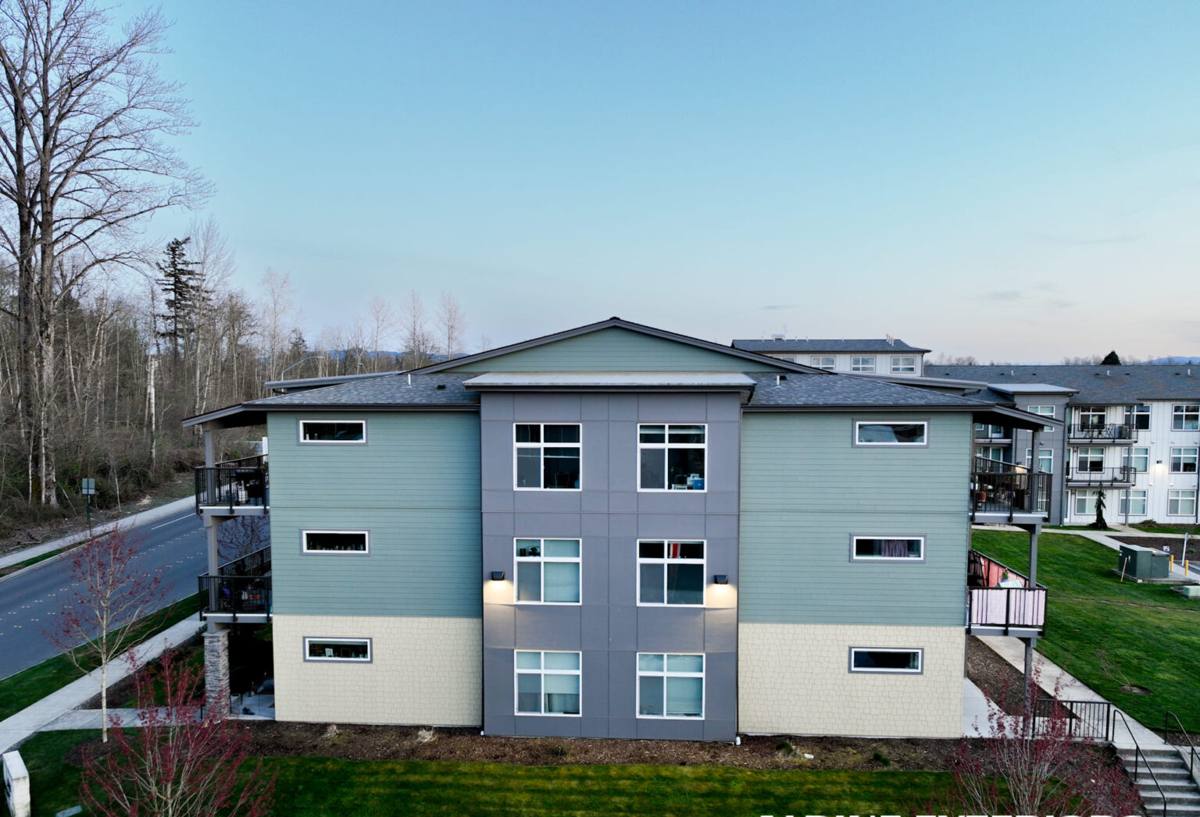
What This Climate Actually Does to a Wall
Wind and Wind-Driven Rain
During tropical storms and hurricanes, rain doesn't fall straight down — it's driven horizontally into siding, seams, and trim. Products that rely on caulk and paint film alone to stay watertight are the first to leak once that film ages or cracks. Siding in this area needs a real drainage plane behind it and joints that are detailed to shed water, not just resist it in calm weather.
UV Exposure
Florida sun is intense and constant. Paint film on wood-based or lower-grade composite siding chalks, fades, and thins faster here than in most of the country, which means more frequent repainting or premature failure of the substrate underneath once the coating stops protecting it.
Moisture and Humidity
High ambient humidity means siding rarely gets a long, dry stretch to fully release moisture it picks up. Materials that swell, absorb water at cut edges, or trap moisture behind them are working against the climate instead of with it.
Salt Air
Even inland from the immediate coastline, airborne salt accelerates corrosion of exposed fasteners and metal trim, and it interacts poorly with certain lower-quality finishes over time. Material choice and fastener choice both matter more here than in a dry inland climate.
Why James Hardie Fits This Environment
James Hardie fiber cement is engineered around exactly these stresses. It's non-combustible, dimensionally stable in humidity swings, and available in the HZ5 formulation built for hot, humid, high-moisture climates like ours — as opposed to the HZ10 formulation sold in colder, drier regions. That's not a marketing distinction; it changes how the product is manufactured to perform in Florida conditions specifically.
The factory-applied ColorPlus finish is the other half of the equation. Instead of field-applied paint that starts degrading under UV exposure from day one, ColorPlus is baked on in a controlled environment with a finish designed to resist fading and cracking far longer than site-applied paint on wood or lower-grade composite products. In a market with this much sun, that difference shows up on the wall within a few years, not decades.
What a Correct Installation Involves
Fiber cement siding is only as good as the installation behind it. James Hardie's own installation requirements are specific, and skipping steps is the single biggest reason siding fails early in coastal climates. A correct job on a Palmetto home includes:
- A continuous, properly lapped weather-resistive barrier behind the siding — the actual first line of defense against wind-driven rain, not the siding itself
- Correct flashing at every window, door, roofline, and penetration, integrated with the barrier so water is directed out, not trapped in
- Proper fastener type, spacing, and embedment — under- or over-driven nails are one of the most common causes of premature siding failure
- Manufacturer-specified clearances from roof lines, decks, and grade so the siding isn't sitting in standing water or trapped moisture
- Correctly sized gaps at butt joints and trim, sealed with a quality sealant rated for exterior movement — not caulked tight with no room to expand
- Field-cut edges primed or sealed per Hardie's specifications, since an unsealed cut edge is a moisture entry point regardless of how good the factory finish is
Any one of these done wrong can shorten the life of an otherwise excellent product by years. This is why we treat installation detail, not just material selection, as the actual deliverable on a Palmetto siding job.
Our Process on a Palmetto Job
1. On-Site Assessment
We walk the home, check the condition of the existing wall assembly, look for prior moisture damage, and assess exposure — a wall facing prevailing wind and rain gets treated with extra attention to flashing and drainage detail.
2. Tear-Off and Substrate Check
Old siding comes off down to the sheathing so we can actually see what's underneath. Any rot, soft sheathing, or existing moisture problems get addressed before anything new goes up — covering a hidden problem with new siding just delays a bigger repair.
3. Weather Barrier and Flashing
A new weather-resistive barrier goes on with correctly lapped seams, and flashing is installed at every opening and transition point. This step is where most future leaks are prevented or created — it's not optional and it's not rushed.
4. Hardie Installation to Spec
Panels or planks are installed with correct fastening, clearances, and joint treatment per James Hardie's published installation guidelines for our climate zone. Field cuts are sealed before installation, not after.
5. Trim, Caulking, and Finish Details
Trim is fitted, joints are sealed with movement-rated sealant, and touch-up is done using Hardie's matched ColorPlus touch-up products rather than generic paint that will fade at a different rate than the factory finish.
6. Final Walkthrough
We walk the finished job with the homeowner, checking seams, corners, and clearances before calling it complete.
Choosing the Right Hardie Product Line
Not every Hardie product suits every home style, and part of doing this right is matching the product to the architecture and exposure of the specific house.
| Product Line | Best Suited For | Palmetto Climate Notes |
|---|---|---|
| HardiePlank Lap Siding | Traditional and coastal-style homes | Most common choice; wide profile range handles wind-driven rain well when lapped and flashed correctly |
| HardieShingle | Craftsman or accent-wall applications | Individual shingle joints need extra care in a high-wind, high-rain climate — installation quality matters even more here |
| HardiePanel Vertical Siding | Modern or mixed-material facades | Fewer horizontal joints can mean fewer water entry points if detailed correctly |
| HardieTrim | Window, door, and corner trim | Pairs with any line above; keeps trim material consistent in durability with the field siding |
Cost Factors Homeowners Should Understand
We don't quote invented price ranges here, but the real cost drivers on a Palmetto Hardie job are consistent enough to explain:
| Factor | Why It Moves the Price |
|---|---|
| Tear-off scope | Removing and disposing of old siding, especially multiple layers, adds labor beyond the new install itself |
| Substrate repair | Rotten sheathing or framing found during tear-off has to be fixed before new siding goes on |
| Home complexity | Dormers, multiple gables, and lots of window/door trim take more labor per square foot than a simple rectangular elevation |
| Product line and profile | Plank width, texture, and color selection all affect material cost |
| Flashing and detail work | Proper flashing at every penetration is labor-intensive but non-negotiable in this climate |
Maintenance: What Ownership Actually Looks Like
One reason we standardized on Hardie is how little upkeep it demands compared to alternatives, but "low-maintenance" isn't "no-maintenance." A simple annual routine keeps a correctly installed job performing for decades:
- Rinse the exterior periodically to remove salt residue and airborne grime, especially on sides facing prevailing wind
- Inspect caulked joints once a year for cracking or separation and have any gaps resealed promptly
- Check that gutters and downspouts are directing water away from the base of the walls
- Look at any field-cut trim edges periodically to confirm sealant is intact
- After a major storm, walk the exterior for loose trim, displaced panels, or new gaps at joints
Why a Crew That Already Works Palmetto Matters
Manatee County's building requirements, wind-load considerations, and inspection expectations aren't identical to a contractor's home turf somewhere else in Florida, let alone out of state. A crew that already installs Hardie siding in and around Palmetto knows the local wind exposure realities, has already worked with local permitting, and has a feel for which details — flashing at a specific roofline pitch, clearance at a specific foundation style common in the area — need extra attention on this coast. That local repetition is what turns "installed to the manual" into "installed correctly for this house, in this location."
If your Palmetto home needs new siding, or you're planning ahead for a replacement, we're happy to walk the property, explain what we see, and put together a free, no-pressure estimate — no obligation, just a straight assessment of what the house actually needs.