 Bradenton Siding
 Palmetto's Climate Is Harder on Roofs Than Most Homeowners Realize
Palmetto sits close enough to the water that its homes deal with a combination of stresses most inland roofs never see. Salt-laden air corrodes fasteners and metal flashing faster than dry-climate corrosion charts suggest. Intense, near-constant UV exposure bakes shingle granules and asphalt oils out of roofing materials year-round, not just in summer. Wind-driven rain during tropical storms and hurricane season finds every weak seam, loose shingle tab, and undersized nail pattern. And when a storm does bring sustained high winds, a roof that was installed correctly is the difference between minor granule loss and a torn-off section of decking.
None of this means Palmetto homes need exotic materials or gimmicks. It means the installation has to be done right, with the right materials for this specific exposure, by a crew that treats Manatee County's climate as the baseline, not an afterthought.
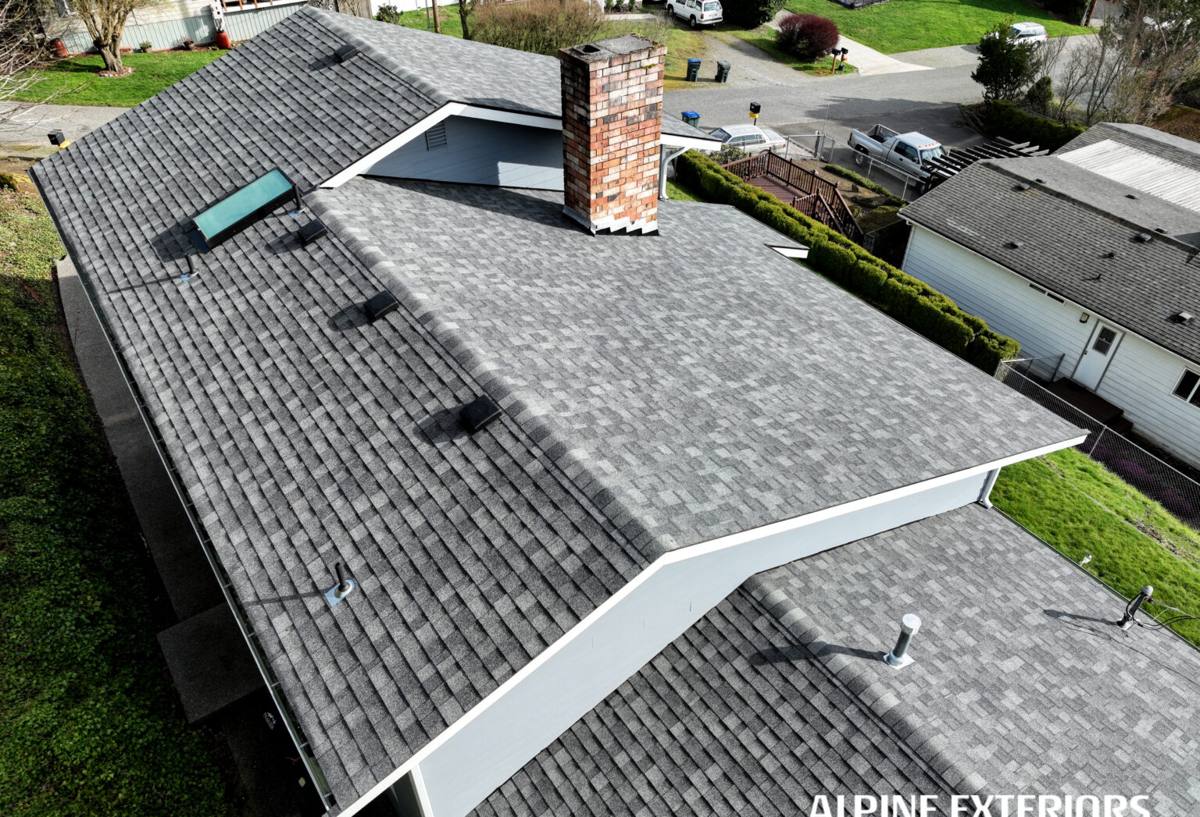
What a Correct New Roof Installation Actually Involves
A new roof is more than shingles nailed to plywood. The materials you see are maybe 30% of what determines how long a roof lasts here. The rest is in the layers and details underneath.
The Deck
Before anything new goes down, the existing roof deck gets inspected for soft spots, delamination, and water staining. Any damaged plywood or OSB is replaced — not patched with plywood scraps and hoped for. A roof is only as strong as the deck it's fastened to, and skipping this step is one of the most common shortcuts in the industry.
Underlayment
This is the roof's real waterproofing layer, and it matters more in a wind-driven-rain climate like ours than almost anywhere else. Self-adhering underlayment at eaves, valleys, and penetrations, paired with a synthetic underlayment across the rest of the deck, gives the roof a secondary water barrier if wind ever lifts a shingle edge during a storm.
Flashing
Flashing around chimneys, skylights, walls, and roof-to-wall transitions is where most leaks actually start — not in the field of the roof. Correctly installed step flashing, counter-flashing, and drip edge, all in corrosion-resistant material, is non-negotiable this close to salt air.
Fastening Pattern
Shingles installed with the manufacturer's high-wind nailing pattern (more nails, correct placement) hold up dramatically better than a standard pattern. This is one of the cheapest upgrades in the entire job and one of the most skipped, because it takes more labor time for the same material cost.
Choosing the Right Roofing System for Palmetto's Exposure
There's no single "best" roof for every Palmetto home — it depends on the home's structure, roof pitch, budget, and how long you plan to own the property. Here's an honest comparison of the systems we install most often in this area.
| Roofing System | Typical Lifespan Here | Best For | Trade-Offs |
|---|---|---|---|
| Architectural asphalt shingles | 18-25 years with proper ventilation | Most single-family homes; best value | Shorter life than metal or tile; granule loss accelerated by UV |
| Metal (standing seam or coated panel) | 30-50 years | Homeowners planning to stay long-term; best wind performance | Higher upfront cost; requires correct fastener spacing to avoid oil-canning |
| Concrete or clay tile | 40+ years (underlayment usually fails first) | Homes built for tile loading; Florida-style architecture | Heavy — requires structural check; underlayment beneath tile needs replacement on its own cycle |
We'll walk you through which of these actually makes sense for your roof structure and budget rather than pushing whatever has the best margin. If tile is on your home now, replacing it with tile at the same weight class is usually simplest; switching systems entirely is a bigger structural conversation.
Our Installation Process, Start to Finish
- On-site inspection and measurement — we look at the deck condition, ventilation, flashing points, and roof geometry before quoting anything.
- Written proposal — materials, layers, warranty terms, and cost broken out so you know exactly what you're paying for.
- Permitting — new roof installations in Manatee County require a permit and inspection; we handle the paperwork and schedule inspections at the required stages.
- Tear-off and deck inspection — old roofing removed down to the deck, damaged sheathing identified and replaced.
- Underlayment and flashing installation — the waterproofing layer and all flashing points, done before a single shingle or panel goes down.
- Field installation — shingles, metal, or tile installed to manufacturer spec with the appropriate high-wind fastening pattern.
- Ventilation check — intake and exhaust ventilation confirmed or corrected so the attic can actually breathe.
- Final walkthrough and cleanup — magnetic sweep for nails, debris removed, and a walkthrough so you can see the finished work before we consider the job done.
Ventilation and the Details That Actually Prevent Leaks
A new roof with poor attic ventilation will fail early, no matter how good the shingles are. Trapped heat and moisture in the attic cook the underside of the roof deck and shingles from below, while UV bakes them from above — a double stress that shortens lifespan considerably in a climate like ours. Balanced intake (soffit vents) and exhaust (ridge vents or equivalent) ventilation is part of a correct installation, not an upsell.
Beyond ventilation, the details that separate a roof that lasts from one that doesn't are almost all invisible once the job is finished: nail depth and placement, flashing overlap direction, underlayment seam sealing, and pipe boot quality. This is exactly why the installer's experience with this climate matters more than the brand name on the shingle wrapper.
Permits, Codes, and Insurance in Manatee County
New roof installations in unincorporated Manatee County and the surrounding area fall under the Florida Building Code, which sets minimum standards for wind uplift resistance, deck attachment, and underlayment based on our regional wind exposure. We pull the required permit, schedule the mandatory inspections, and make sure the finished roof meets code — not just close to it.
A permitted, code-compliant installation also matters for insurance. Many carriers ask for proof of permit and, in some cases, a wind mitigation inspection after a new roof is installed, which can affect your premium. We provide the documentation you'll need for both.
Cost Factors for a New Roof in Palmetto
Every roof is priced based on the specific home, so we won't quote a number without seeing it. What we can tell you honestly is what moves the price up or down.
| Factor | Effect on Cost |
|---|---|
| Roof size and pitch | Larger and steeper roofs require more material and labor time |
| Number of layers to remove | Tear-off of multiple existing layers adds labor and disposal cost |
| Deck condition | Rotted or delaminated plywood found during tear-off adds material and labor |
| Material choice | Architectural shingle, metal, and tile occupy different price tiers, as shown above |
| Roof complexity | Valleys, dormers, chimneys, and skylights each add flashing labor |
| Ventilation upgrades | Adding or correcting ridge/soffit ventilation is usually modest relative to total job cost |
Signs Your Palmetto Home Needs a New Roof, Not a Repair
Not every roof problem means starting over. But there's a point where repeated repairs cost more than a replacement over time, and where a patch simply can't fix the underlying issue. Signs it's time to talk about full replacement:
- Shingles that are curling, cupping, or losing granules across large sections rather than one localized spot
- Multiple past repairs in different areas of the same roof within a few years
- Visible sagging anywhere in the roofline
- Daylight visible through the roof deck from inside the attic
- Water stains on ceilings that reappear after being patched
- A roof that's approaching or past the manufacturer's expected service life for our climate
- Missing or lifted shingles after a storm, especially near ridges and edges
Why a Crew That Already Works Palmetto Matters
Roofing crews unfamiliar with coastal Gulf Coast conditions sometimes install roofs to a generic national standard rather than what this exposure actually demands — standard nailing patterns instead of high-wind patterns, felt underlayment instead of self-adhering membrane at critical points, or fasteners that aren't rated for salt air proximity. None of those shortcuts show up on inspection day. They show up two or three years later, or during the next tropical storm.
We work in Palmetto and the surrounding Bradenton and Manatee County area regularly, which means we know what this climate does to a roof over time and we build for it from the first nail. It also means when your roof is done, we're not far away if you ever have a question or a warranty item to address.
If your Palmetto roof is showing its age or you're planning ahead of the next storm season, we're happy to take a look and give you a straightforward assessment. Fill out the form below for a free, no-pressure estimate — no obligation, just an honest look at what your roof actually needs.