 Bradenton Siding
 Roof Repair Built for Palmetto's Weather, Not a Generic Climate
Palmetto sits right on the water in Manatee County, which means its roofs deal with a tougher combination of stressors than roofs a hundred miles inland. Salt air drifting off the river and bay accelerates corrosion on fasteners, flashing, and metal drip edges. Intense year-round UV bakes shingles and dries out sealants faster than manufacturers' warranty charts assume. And when a tropical system or a strong summer storm rolls through, wind-driven rain doesn't just fall on a roof — it gets pushed sideways and upward, finding every gap a calm-weather rain would never reach. A roof repair here needs to account for all of that, not just patch the spot where water is currently showing up inside the house.
That's the difference between a repair that lasts and one that's back on your to-do list next season. We repair roofs across Palmetto and the greater Bradenton area with that climate reality built into every decision, from the fasteners we choose to how we handle flashing details.
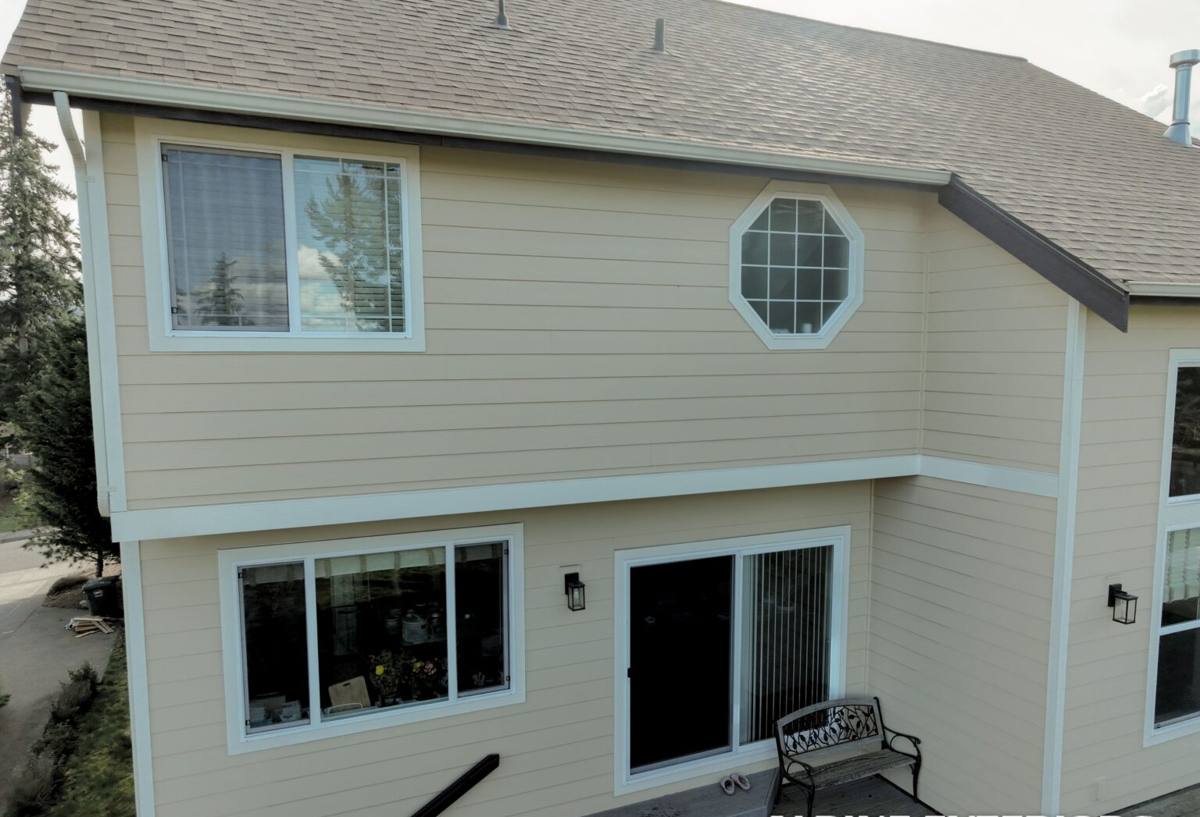
Signs a Palmetto Roof Needs Repair
Most roof problems don't announce themselves as a hole. They show up as smaller signals that get ignored until a storm turns them into an active leak. Homeowners in this area should watch for:
- Granules collecting in gutters or at downspout discharge points — a sign shingles are wearing thin from UV exposure
- Shingles that look cupped, curled, or lifted at the edges, especially after a windy afternoon
- Rust streaks or dark staining around vent boots, chimneys, or skylight flashing
- Soft spots in the decking felt underfoot, or sagging visible from the ground
- Water stains on interior ceilings that appear after wind-driven rain but not after a straight-down summer shower
- Missing or cracked tiles, or shingles found in the yard after a storm
- Soffit or fascia discoloration, which often points to a leak further up the roof plane finding its way down
Any one of these on its own might be minor. Several together, especially after a named storm or a season of heavy summer thunderstorms, usually means the roof has multiple small failure points that are compounding.
Repair vs. Replacement — Making an Honest Call
Not every leak means a new roof, and not every roof with a leak is a good repair candidate. We look at the age of the roofing material, how much of the roof is affected, whether the decking underneath is still sound, and whether the existing material can still be matched closely enough that a patch won't look obviously different. A 6-year-old roof with a single storm-damaged section is usually a straightforward repair. A 20-year-old roof with granule loss across most of its surface, brittle shingles, and a leak in one spot is often better served by budgeting toward replacement, because the labor spent repairing one area doesn't address the rest of the roof aging out at the same time.
What Actually Causes Roof Damage in This Area
Wind
Manatee County sees hurricane-force wind events often enough that roofs need to be built and repaired with uplift in mind, not just water shedding. Wind gets under a shingle edge or a loose tile and works it back and forth until the seal fails or the fastener pulls through. Once one shingle or tile lifts, it exposes the underlayment and the ones next to it, and the damage spreads from a single point.
UV and Heat
Florida sun year-round means asphalt shingle oils dry out faster here than in most of the country, and sealant strips lose their adhesive properties sooner. This is why a roof that looks fine from the driveway can still have brittle, cracking shingles that fail as soon as wind gets under them.
Wind-Driven Rain
Straight-down rain and sideways rain behave completely differently on a roof. Flashing, valleys, and vent penetrations that shed a normal rain just fine can still leak when rain is being driven uphill under an eave or into a valley at an angle. Most of the "mystery leaks" we get called out for in Palmetto trace back to this exact mechanism.
Salt Air
Proximity to the water means faster corrosion on exposed metal — nail heads, drip edge, flashing, and vent boot collars. Corroded metal loses its ability to seal properly long before it looks obviously rusted through, which is why we pay close attention to metal condition during every repair, not just the shingles or tile around it.
What a Correct Roof Repair Involves
A repair that actually solves the problem — instead of covering the symptom — follows a consistent sequence:
- Full-roof inspection, not just the leak spot. Water travels along decking and underlayment before it shows up inside, so the entry point is often several feet from the interior stain.
- Decking check. Any soft, delaminated, or water-damaged decking gets replaced before new material goes down — patching over rotten decking just delays a bigger repair.
- Flashing and penetration review. Vent boots, chimney flashing, skylight curbs, and valley metal are inspected and replaced where the sealant or metal has degraded, not just re-caulked.
- Material matching. We match shingle or tile profile and color as closely as the existing product allows, so the repair blends rather than standing out as an obvious patch.
- Fastening to current wind standards. Repairs are fastened to hold up under the same wind-uplift expectations as a full roof install, not just tacked down.
- Final water test and cleanup. We confirm the repair sheds water correctly before considering the job done, and we clean up debris and old material completely.
Repair Approaches Compared
| Approach | Best for | Trade-offs |
|---|---|---|
| Spot patch (single shingle/tile area) | Isolated storm damage, roof under 10 years old, material still available to match | Only addresses the visible damage — won't catch nearby aging material |
| Section replacement (slope or valley) | Recurring leaks in one area, valley or flashing failures, moderate wind damage | Higher cost than a spot patch, but addresses the underlying cause across a wider area |
| Flashing and penetration overhaul | Roofs with multiple small leaks around vents, chimneys, or skylights | Doesn't address shingle or tile wear elsewhere on the roof |
| Full re-roof | Roofs near or past their expected service life with widespread wear | Larger upfront cost, but resets the clock on the entire roof system at once |
Our Process for Palmetto Roof Repairs
We keep the process straightforward because homeowners dealing with an active leak don't need extra steps between them and a dry ceiling:
- Free on-site inspection, including photos of the damage and its likely cause
- A clear, written repair scope — what's being fixed and why, in plain language
- An honest recommendation on repair vs. replacement if the roof's condition calls for that conversation
- Repair work scheduled around weather, since we don't do rushed patch jobs ahead of an incoming storm that won't hold
- Cleanup and a final walkthrough so you can see exactly what was done
We also document repairs with photos, which is useful if you ever need records for insurance purposes or for a future home sale disclosure.
Why Local Experience in Palmetto and Bradenton Matters
A crew that only shows up after a hurricane, working from out of the area, doesn't know the difference between Manatee County's permitting requirements and the next county over's. Local, ongoing work here means we already understand:
- How wind-driven rain typically finds its way into homes in this area, based on roof orientation relative to prevailing storm direction
- What local permitting and inspection requirements apply to roof repair work in this jurisdiction
- How salt air exposure differs for homes closer to the water versus further inland, and why that affects material and fastener choices
- What insurance adjusters in this region typically expect to see documented for storm-related roof claims
That familiarity means fewer surprises mid-project and a repair that's built around how this specific area's weather actually behaves, not a one-size-fits-all national playbook.
What Roof Repair Typically Costs
Costs vary a lot based on material, accessibility, and how much decking or flashing needs replacing — we won't quote a number without seeing the roof — but the general cost drivers are worth understanding before you get an estimate:
| Factor | Why it matters |
|---|---|
| Roofing material | Asphalt shingle repairs are generally less costly than tile or metal, which require specialized handling and matching material |
| Decking condition | Rotten or delaminated decking adds material and labor beyond the visible surface repair |
| Roof pitch and access | Steep or hard-to-access roofs take longer and require more safety setup |
| Extent of flashing involved | Multiple penetrations (chimney, skylights, vents) each add their own labor and material |
| Material availability | Discontinued shingle or tile lines can require a larger repair area to keep the color and profile consistent |
A Few Things Worth Doing Before You Call Anyone
If you suspect roof damage, a little groundwork before your inspection appointment helps:
- Note when the leak or damage first appeared — right after a storm, or gradually over weeks
- Take photos of any interior staining, including the date, in case you need them for insurance
- Avoid walking on the roof yourself to inspect it — storm-loosened tiles or shingles can shift underfoot
- Check your attic (if accessible) for daylight, staining, or damp insulation, which can help pinpoint the leak's general area
- Hold onto any prior roofing paperwork — install date, material, and any past repair records — since it speeds up an accurate assessment
If you're dealing with a leak, storm damage, or a roof that's just showing its age in Palmetto or anywhere else in the Bradenton area, we're happy to come take a look. The estimate is free, there's no pressure to sign anything on the spot, and you'll get a straight answer on whether you're looking at a repair or something bigger. The form below gets you on our schedule.