 Bradenton Siding
 Why Palmetto Decks Wear Out Faster Than You'd Expect
Palmetto sits right on the water in Manatee County, and that location is exactly why decks here age differently than decks inland. Between the Manatee River, Tampa Bay, and the Gulf just beyond it, homes in this area deal with a steady mix of salt-laden air, intense year-round UV exposure, and wind-driven rain that finds its way into joints, fasteners, and end grain that a dry climate would never touch. A deck that would last fifteen years without much fuss in a landlocked state can start showing real structural problems in half that time here if it wasn't built or maintained with this environment in mind.
We work on decks throughout the Bradenton area, and Palmetto jobs have a pattern to them. It's rarely just cosmetic. By the time a homeowner calls, the boards look faded or splintered on the surface, but the real issue is usually underneath — corroded hardware, softened framing, or a ledger connection that's been slowly failing for years. Fixing the surface without addressing what's under it is how a deck repair turns into a deck replacement two years later.
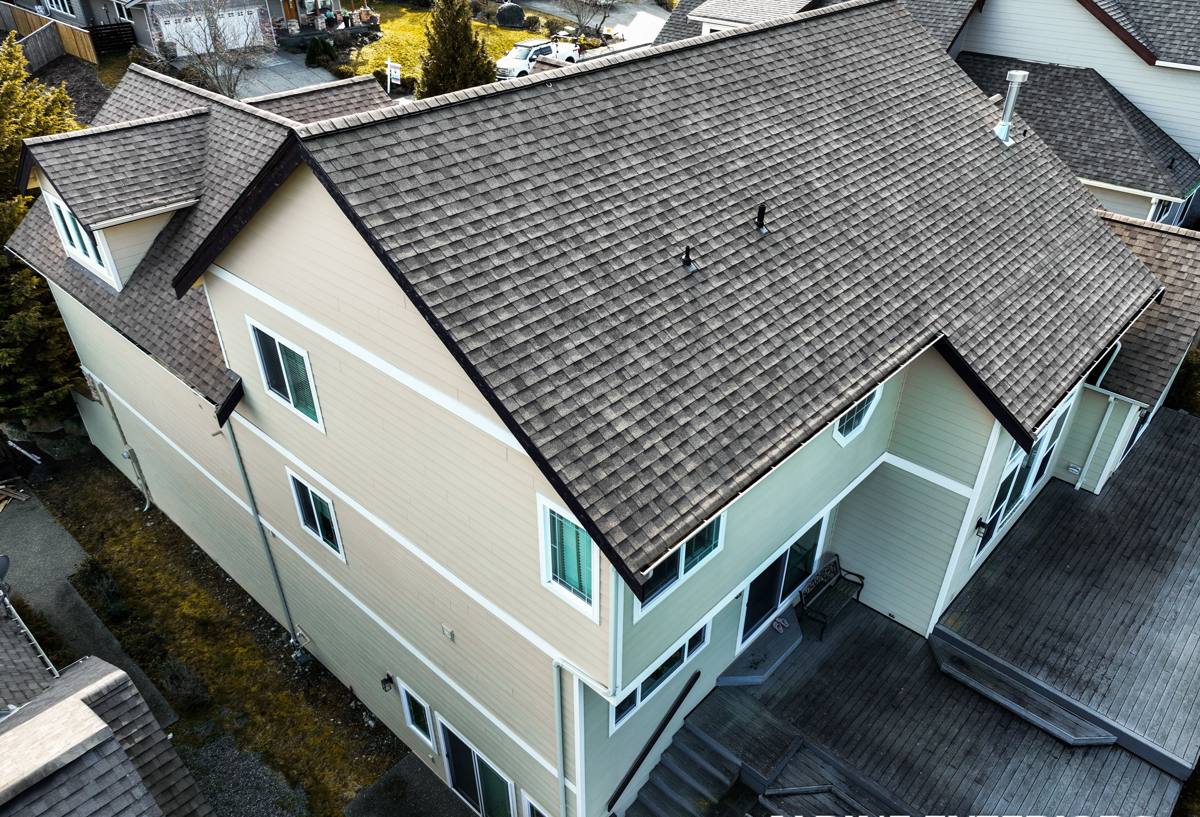
What Hurricane Winds and Salt Air Actually Do to a Deck
It helps to understand the specific ways this climate attacks a deck, because it changes what a correct repair looks like.
Wind-Driven Rain
Rain that comes in sideways during a storm doesn't behave like rain falling straight down. It gets pushed under railings, into fastener holes, and along the underside of decking boards where water is never supposed to sit. Over time this drives moisture into end grain and connection points — the exact spots most likely to rot or corrode first.
UV Exposure
Florida sun is relentless on exposed wood and composite surfaces alike. UV breaks down the lignin in wood fibers, causing graying and surface checking, and it can fade or chalk lower-grade composite decking over the years. A deck with no shade gets far more UV load than one tucked under trees or a covered porch, which is why two decks built the same year can look decades apart in condition.
Salt Air Corrosion
This is the one people underestimate most. Standard fasteners, joist hangers, and structural screws corrode faster near the water, even when they're not directly exposed to salt spray. Salt in the air settles on metal and accelerates rust, and once a fastener weakens, the connection it's holding weakens with it. We see this constantly in decks built with hardware that wasn't rated for coastal exposure.
Common Deck Problems We Find on Palmetto Homes
- Soft or spongy decking boards, especially near the house or in low-traffic corners that stay damp longer
- Rust streaks around screw heads and joist hangers — an early warning sign of fastener failure
- Railings that flex or wiggle when pushed, often from loosened post connections
- Stair stringers showing rot or splitting at the ground contact points
- Ledger board separation from the house, sometimes hidden behind trim or flashing
- Gray, splintering wood surfaces from years of unprotected UV exposure
- Composite boards that have faded unevenly or developed surface cracking near fastener points
What a Proper Deck Repair Actually Involves
A real repair starts below the surface, not with new boards laid over old problems. Our process on every job includes:
Structural Assessment
We check the ledger board connection, the condition of joists and beams, post bases, and every point where the deck ties into the house. This is where the most serious — and least visible — problems usually live.
Fastener and Hardware Inspection
Every joist hanger, bolt, and structural screw gets checked for corrosion. In a lot of older Palmetto-area decks, this is the single biggest culprit behind a wobbly or unsafe structure, and it's often cheaper to fix than homeowners expect once the deck is opened up.
Decking Surface Evaluation
Not every board needs replacing. We identify which boards are structurally compromised versus which are just weathered, so you're not paying to replace material that still has years of life left.
Railings and Stairs
These get more direct wear and impact than the deck surface itself, and they're a safety issue, not just a cosmetic one. We test every railing and stair connection for movement before calling a repair complete.
Repair vs. Replace: How We Decide
This is the question every homeowner actually wants answered, and there's no single right call — it depends on what's failing and how much of the structure it affects.
| Factor | Usually Repairable | Usually Needs Replacement |
|---|---|---|
| Framing condition | Isolated soft spots or a few damaged joists | Widespread rot across multiple structural members |
| Ledger connection | Loose but sound, needs re-fastening/flashing | Separated, rotted, or improperly attached from the start |
| Decking boards | Scattered bad boards among otherwise sound ones | Most boards splintering, cupping, or soft |
| Hardware | Localized corrosion, easily swapped | Corrosion throughout most connections |
| Age & history | Well-built deck with isolated storm or wear damage | Older deck with no coastal-rated hardware to begin with |
The honest answer is that a repair only makes sense if the underlying structure is sound. We'll tell you straight if we think you're better off replacing rather than sinking money into patching a deck that's failing at its core — that's a judgment call we make based on what we actually find, not on which job pays more.
Our Deck Repair Process
- On-site inspection — we walk the full deck, check under it where possible, and test railings, stairs, and boards for movement or softness.
- Written scope — you get a clear breakdown of what's failing, what we recommend, and why, before any work starts.
- Permitting, when required — structural repairs involving framing or ledger connections typically require a Manatee County permit; we handle that so it's not on you.
- Repair work — structural fixes first, then decking, then railings and stairs, in that order, since surface work is meaningless if the frame underneath isn't solid.
- Final walkthrough — we check every repaired connection with you before we consider the job done.
Materials We Use — and Why
For fasteners and structural hardware, we use stainless steel or coated hardware rated for coastal/marine exposure rather than standard galvanized options. It costs more up front, but given how fast salt air corrodes lower-grade hardware in this area, it's the difference between a repair that lasts and one you're paying for again in a few years.
For decking material, we'll work with what you have — wood or composite — and repair or replace in kind unless you want to discuss switching materials. Pressure-treated wood needs more regular sealing and inspection in this climate but is often the most economical repair path. Composite decking holds up well to moisture and doesn't rot, but it still needs correctly rated fasteners and proper airflow underneath to perform as expected long-term; installation quality matters as much as the material itself.
Permits, Codes, and Inspections in Manatee County
Deck repairs that touch structural elements — framing, ledger attachment, footings, or guardrail height and spacing — generally fall under Manatee County's building code requirements, which follow Florida's building code with its wind-load provisions for coastal exposure. Guardrail height, baluster spacing, and stair rise/run all have specific code minimums that matter for safety, not just for passing inspection. We build and repair to these standards as a baseline, not an upsell.
Why a Local Palmetto-Area Crew Makes a Real Difference
A crew that works Manatee County regularly already knows what tends to fail first in this environment, what hardware actually holds up near the water, and what the local permitting process requires — instead of learning it on your project. We're not driving in from out of the area to quote a job and disappear; we're based right here in the Bradenton area, and that matters when you need someone to stand behind the work or come back for a follow-up.
It also means we're realistic about timelines. Storm season affects scheduling for every contractor working this coastline, and a local crew can generally be more upfront with you about what's realistic versus what sounds good on a sales call.
Maintenance That Extends the Life of Your Repair
Once your deck is repaired, a little upkeep goes a long way in this climate:
- Rinse off salt residue and debris periodically, especially after storms
- Reseal or re-stain wood decking on a regular schedule rather than waiting until it looks bad
- Keep an eye on fastener heads for early rust streaking — catching it early is cheap; ignoring it isn't
- Make sure gutters and downspouts aren't dumping extra water onto or under the deck
- Check railings and stair connections for movement a couple of times a year
If you're dealing with a soft board, a wobbly railing, or you just want an honest read on where your Palmetto-area deck stands, we're happy to take a look. Fill out the form below for a free, no-pressure estimate — we'll tell you what we actually find, not just what's easiest to sell.