 Bradenton Siding
 Windows Built for the Palmetto Waterfront
Palmetto sits along the Manatee River, close enough to open water that homes there take a different kind of beating than houses further inland. Between the river breeze, the salt content in the air, and the sun that beats down on west- and south-facing glass for most of the year, windows here age faster than the manufacturer's brochure suggests. If your frames are chalky, your seals have gone soft, or your glass fogs between the panes, that's not cosmetic — it's the climate doing exactly what it does to every unprotected window on this stretch of Manatee County.
This page is about one job, done right, in one area: replacing windows on Palmetto homes. Not a general overview of window brands, and not a page written for a house three counties away. What follows is what we actually look at, install, and warn homeowners about when we're working in this part of the county.
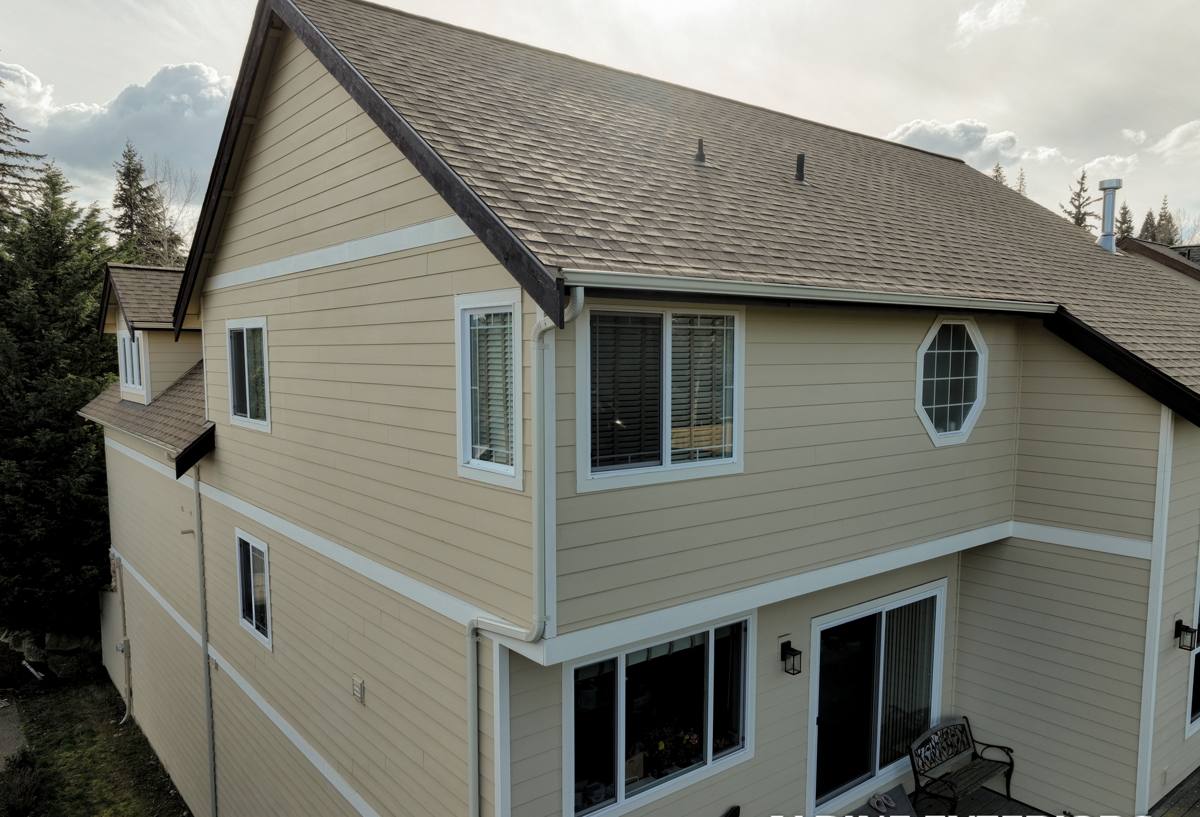
What This Climate Does to Old Windows
Four things wear on windows here, and they don't act alone — they compound each other.
- UV exposure. Florida sun breaks down vinyl frames, dries out rubber gasket seals, and fades or delaminates low-quality glass coatings over years of daily exposure.
- Salt air. Proximity to the river and the Gulf means airborne salt settles on aluminum hardware, screws, and frame components, accelerating corrosion and pitting far faster than it would inland.
- Wind-driven rain. Even outside of named storms, Manatee County gets heavy squalls that push rain sideways into window frames. A seal that's failed lets that water track into the wall cavity long before anyone notices a leak.
- Hurricane-force wind loads. Palmetto falls within Florida's wind-borne debris requirements, meaning windows have to hold up under sustained pressure and flying debris impact, not just look sealed on a calm day.
Individually, any one of these is manageable. Together, over a decade or two, they're why a window that's failing in Palmetto often looks fine from the curb but is compromised underneath — soft wood at the sill, corroded anchors, or a moisture barrier that gave out years ago.
Signs a Palmetto Home Needs Window Replacement
You don't need a moisture meter to know something's wrong. Most of the time the house tells you.
- Windows feel warm to the touch on the inside during summer afternoons, or your energy bills climb without another explanation
- Fogging or a milky haze between double-pane glass — a sign the seal has failed and the gas fill is gone
- Frames that are chalky, cracked, or leave white residue on your hand when you wipe them
- Difficulty opening, closing, or locking a window that used to move freely
- Visible daylight or a draft around the frame when the window is fully closed and locked
- Soft or discolored drywall, trim, or sill wood near a window after rain
- Rattling or whistling during wind events, even moderate ones
- Frame corrosion, rust streaking, or pitted hardware on aluminum-framed units
Any one of these on its own might just mean a repair. Several together, especially on a home more than 15–20 years old, usually means the window system as a whole has reached the end of what caulk and weatherstripping can fix.
What a Correct Window Replacement Actually Involves
Structural Prep, Not Just a Swap
A proper replacement starts by checking the rough opening — the wood or block framing behind the old window — for rot, soft spots, or prior water damage. Setting a new window into a compromised opening just hides the problem behind a fresh frame. If we find deteriorated substrate, it gets addressed before anything new goes in, not papered over.
Flashing and Moisture Barrier
This is the step that gets skipped most often on rushed jobs, and it's the one that matters most in a wind-driven-rain climate. Proper flashing directs any water that gets past the window itself back out and away from the wall cavity, rather than letting it sit and soak into framing. Skipping or shortcutting this step is the single most common cause of hidden water damage behind windows that "look" fine.
Sealing and Anchoring
Windows need to be anchored to the manufacturer's and code specifications for wind load, not just fastened until they feel snug. Sealant has to be applied at the right points — around the perimeter and at the mounting fin or flange — with a product rated for exterior, UV, and moisture exposure, not general-purpose caulk that will crack within a couple of seasons.
Wind Rating and Permitting
Palmetto is in a wind-borne debris region, which means replacement windows generally need to meet a minimum impact or pressure rating, and the job typically requires a permit and inspection through Manatee County. This isn't paperwork for its own sake — it's the documentation that your insurance company and any future buyer will want to see. A legitimate contractor pulls the permit and gets the inspection; a job done "off the books" can come back to bite you at resale or claim time.
Choosing the Right Window for This Climate
There's no single "best" window for every home — it depends on your budget, your exposure to wind and sun, and how long you plan to stay in the house. Here's how the common frame options actually hold up in a Palmetto/Manatee County setting.
| Frame Material | Salt Air & Coastal Durability | Maintenance | Best Suited For |
|---|---|---|---|
| Vinyl | Good — won't corrode or rust | Low; occasional cleaning | Most homes; strong value for the climate |
| Aluminum | Fair — prone to corrosion near salt air unless coated/maintained | Moderate; hardware needs periodic attention | Homes wanting a narrow sightline or a specific architectural look |
| Fiberglass | Very good — dimensionally stable, resists warping | Low | Owners planning to stay long-term and wanting minimal upkeep |
| Wood-clad | Poor without diligent upkeep — moisture-sensitive | High; regular sealing and inspection required | Interior aesthetic priority; not our first recommendation for direct coastal exposure |
On glass, the real decision is impact-rated laminated glass versus standard glass paired with separate hurricane shutters. Impact glass stays in place permanently, requires no action before a storm, and generally cuts UV and noise transmission better than single or standard double-pane glass. Shutters cost less up front but require someone to deploy them every time, and they don't do anything for daily UV exposure or energy efficiency. We'll walk through both honestly based on your home and budget — neither is "wrong," but they solve different problems.
Our Window Replacement Process
- On-site assessment. We look at your existing windows, framing condition, sun exposure by elevation, and any current leak or draft issues before recommending anything.
- Measurement and product selection. Every opening is measured individually — older homes are rarely perfectly square — and we go over frame material, glass, and rating options that fit your home and budget.
- Permitting. We handle the Manatee County permit application so the job is documented and inspection-ready, not something you have to chase down later.
- Removal and prep. Old units come out carefully, and we inspect the rough opening for hidden damage before anything new goes in.
- Installation. Flashing, sealing, and anchoring are done to spec, not eyeballed — this is the part that determines whether the window performs in a storm or a decade of sun and rain.
- Inspection and walkthrough. Once the county inspection is passed, we walk the job with you so you know what was done and how to maintain it.
- Cleanup. Old windows, packaging, and debris leave with us — not stacked in your driveway.
What Affects the Cost of Window Replacement
There's no honest flat price for "window replacement" without seeing the home, but these are the factors that move the number up or down.
| Factor | Effect on Cost |
|---|---|
| Number of windows being replaced | More units per job generally lowers the per-window cost |
| Window size and style (single-hung, double-hung, sliding, picture) | Larger and more complex operating styles cost more than standard fixed or single-hung units |
| Impact rating | Impact-rated glass costs more up front than standard glass with shutters, but eliminates the shutter step |
| Frame material | Vinyl is typically the most budget-friendly; fiberglass and higher-end aluminum systems run higher |
| Structural repair needed | Rotted framing or damaged openings add cost beyond the window itself, but skipping this repair isn't a real option |
| Permitting and inspection | Required by code in this wind zone; a legitimate quote includes it |
As a broad range across most residential jobs in this area, homeowners are typically looking at somewhere in the low hundreds to over a thousand dollars per window installed, depending on the factors above. The only way to get a real number is a site visit — anything quoted sight-unseen should be treated as a rough placeholder, not a bid.
Why a Crew That Already Works in Palmetto Matters
Window replacement in a wind-borne debris zone isn't the same job as it would be somewhere without hurricane exposure. A crew that regularly works Manatee County jobs already knows the local permitting process, what the inspector will actually check, and how HOA or deed-restricted communities in the area typically handle exterior changes like window color and style. That familiarity means fewer surprises mid-project — no permit delays you didn't see coming, no inspection failures because a detail was overlooked, no scramble to find out what your community requires after the windows are already ordered.
It also means we've already seen how homes in this specific area age — which elevations take the worst sun, where wind-driven rain tends to find weak points, and which older window systems in this part of the county are due for replacement versus repair. That's not something a crew coming in from outside the area brings with them on day one.
Questions to Ask Before You Hire
- Will you pull a permit and schedule the county inspection, or is that on me?
- What wind/impact rating do these windows carry, and does that meet the requirement for my home's location?
- What happens if you find rot or damage in the framing once the old window is out?
- What warranty covers the window itself, and what warranty covers your installation labor separately?
- Can you show proof of licensing and insurance before work starts?
- How do you handle flashing and sealing — walk me through it, not just "it's included"?
Any contractor who hesitates on these questions is telling you something. A straight answer to each one, before a contract is signed, is the baseline — not a bonus.
If your windows are showing their age — fogged glass, chalky frames, drafts, or just a house that feels hotter than it should by mid-afternoon — we're glad to take a look. Reach out for a free, no-pressure estimate on your Palmetto home; the form below gets you started.