 Bradenton Siding
 Decking Built for a Barrier Island, Not Just a Backyard
Anna Maria Island sits right on the Gulf, and that changes what a deck has to survive. A composite deck built the same way you'd build one twenty miles inland won't hold up the same way out here. Between the salt-laden air coming off the water, the direct year-round sun, and the wind-driven rain that comes with every serious storm, an island deck takes a beating that most manufacturer installation guides don't fully account for. We install composite decking for homes across Bradenton and Manatee County, and the jobs on Anna Maria Island get extra attention in the details that matter most for coastal exposure: fasteners, substructure, drainage, and how the deck ties into the house.
This page covers what a composite deck for an Anna Maria Island home actually needs, what we do differently out here, and what you should expect from a contractor before you sign anything.
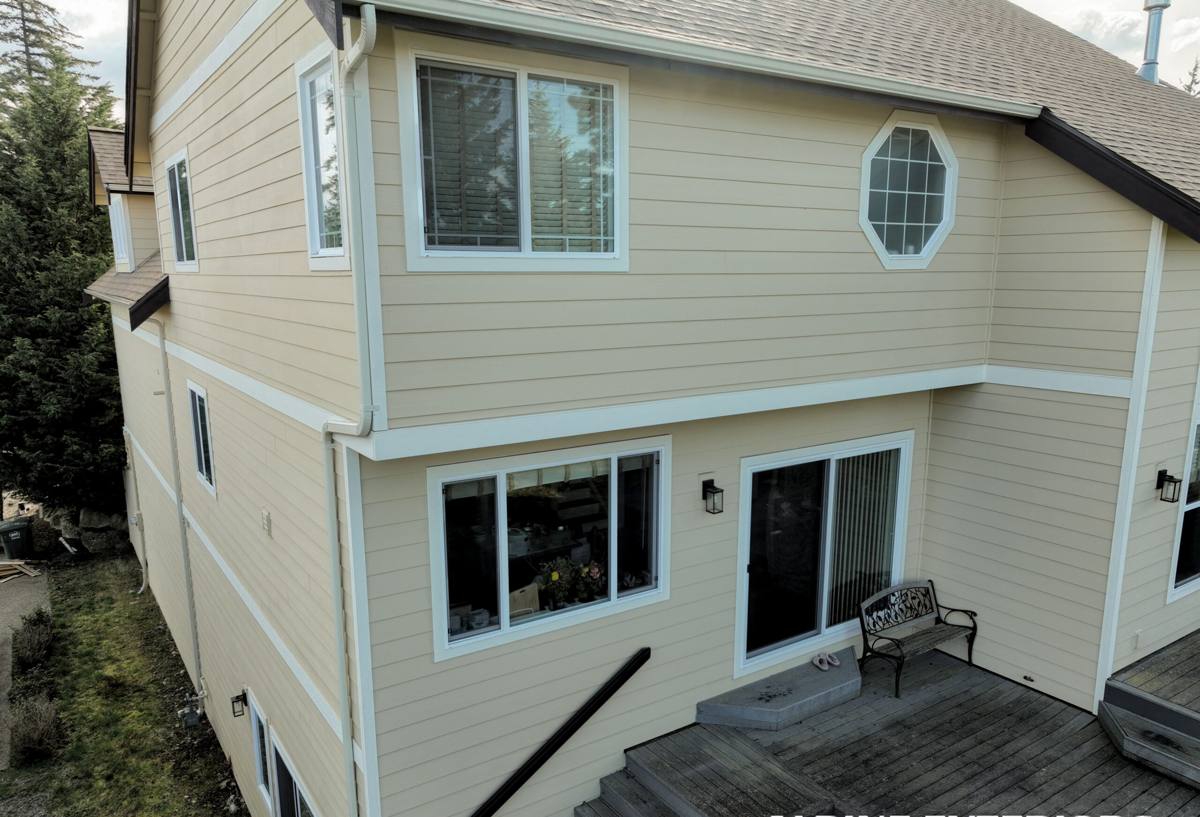
What the Coastal Climate Actually Does to a Deck
Salt Air and Corrosion
Salt in the air settles on every exposed metal surface — fasteners, brackets, railing hardware, joist hangers. Over time it accelerates corrosion on anything that isn't rated for coastal exposure. This is the single biggest difference between building a deck three blocks from the Gulf and building one further inland, and it's the detail most likely to get skipped by a crew that doesn't normally work barrier island properties.
UV Exposure
Florida sun is intense almost every day of the year, and an island deck usually gets full, unobstructed exposure with no tree canopy to break it up. UV breaks down lower-grade composite boards over time, causing fading, and it also degrades any exposed wood substructure that isn't properly treated or protected.
Wind-Driven Rain and Moisture
Composite boards themselves handle moisture well, but the framing underneath, the ledger board connection to the house, and any fasteners or brackets are where water damage actually starts. Wind-driven rain during storms pushes moisture into gaps and connection points that would stay dry in a normal rainstorm. If those points aren't flashed and fastened correctly, water finds its way in and the damage shows up as soft framing or a failing ledger connection long before the composite decking itself shows any wear.
Storm Wind Loads
Anna Maria Island sees hurricane-force wind events, and a deck attached to the house — along with any railing system — needs to be built to hold up under those loads, not just look good on a calm day.
Composite Decking: What It Is and Why It Fits This Environment
Composite decking is a blend of wood fiber and plastic (or in the case of PVC-based boards, fully synthetic), capped with a protective outer layer. It doesn't rot, splinter, or need staining the way wood does, which is a real advantage on a barrier island where humidity and salt exposure are constant. That said, composite isn't maintenance-free, and it isn't automatically storm-ready just because it's composite — the framing, fasteners, and installation method underneath the boards matter just as much as the boards themselves.
We don't install every composite product on the market. Some lower-tier boards use capping and core formulations that don't hold up well to intense, sustained UV exposure, and we'd rather steer a homeowner toward a product with a track record in Florida coastal conditions and a warranty structure that actually reflects that use case, than install something that looks fine in the showroom but underperforms three summers in on the Gulf.
What a Correct Install Involves Here
- Ledger board attachment properly flashed and sealed where the deck meets the house — this is the number one point of water intrusion on any deck, coastal or not
- Corrosion-resistant, coastal-rated fasteners and joist hangers throughout, not standard-grade hardware
- Substructure spacing and blocking that matches the manufacturer's span requirements for the specific board profile being used
- Adequate ventilation underneath the deck so moisture doesn't get trapped against framing
- Railing and post attachment engineered to hold up under Gulf wind loads, not just meet the minimum
- Proper gapping between boards to allow for thermal expansion, which matters more in Florida's heat swings than people expect
- Permitting and inspection handled correctly for Manatee County and any barrier island-specific requirements that apply to the property
Substructure and Fastener Choices That Actually Hold Up
The framing underneath a composite deck matters as much as the decking itself. On Anna Maria Island, we lean toward substructure and hardware choices that are built for salt exposure, even when it costs more upfront, because the alternative is a deck that looks fine on the surface while the frame underneath deteriorates.
| Component | Standard-Grade Option | Coastal-Rated Option We Recommend Here |
|---|---|---|
| Fasteners | Standard galvanized | Stainless steel or marine-grade coated fasteners |
| Joist hangers & brackets | Standard galvanized | Coastal-rated corrosion-resistant hardware |
| Substructure framing | Standard treated lumber | Treated lumber rated for ground/coastal contact, or aluminum framing systems |
| Railing posts & hardware | Standard aluminum or wood | Marine-grade aluminum or coastal-rated hardware with reinforced post attachment |
None of this is visible once the deck is finished, which is exactly why it's worth asking a contractor directly what fastener and hardware grade they're using before work starts.
How We Approach an Anna Maria Island Deck Project
1. Site Evaluation
We look at sun exposure, proximity to the water, existing structure condition if it's a replacement, and how the deck ties into the house.
2. Material and Layout Plan
We walk through composite board options, colors, and railing systems that fit the home and hold up to the exposure level of that specific property.
3. Permitting
We handle the permitting process through Manatee County and account for any additional requirements tied to barrier island construction.
4. Build
Framing first, with coastal-rated hardware and proper flashing at the ledger, then decking, then railing — inspected at each stage rather than rushed straight through.
5. Final Walkthrough
We go over the finished deck with you, including what maintenance it actually needs and what it doesn't.
Composite vs. Wood vs. PVC: What Actually Fits an Island Property
| Factor | Wood | Composite | PVC |
|---|---|---|---|
| Salt air resistance | Poor without constant upkeep | Good | Very good |
| UV fade resistance | Fades and grays, needs refinishing | Good with quality capping | Very good |
| Maintenance | Regular sealing/staining required | Periodic cleaning | Minimal cleaning |
| Upfront cost | Lowest | Mid-range | Highest |
| Long-term cost | Higher due to upkeep and replacement | Moderate | Lowest long-term |
For most Anna Maria Island homeowners, composite hits the right balance of upfront cost and long-term performance in a coastal environment. PVC is worth considering for properties with the most direct, constant salt and sun exposure, where the extra cost buys additional peace of mind. Wood is rarely the right call for a barrier island deck unless the homeowner is genuinely committed to the maintenance schedule it requires.
Maintaining a Composite Deck in a Salt-Air Environment
- Rinse the deck periodically to clear salt residue, sand, and organic debris before it builds up
- Clean with a mild soap and soft brush rather than a pressure washer set too aggressively, which can damage the cap layer
- Check railing hardware and post connections once or twice a year for any early signs of corrosion
- Keep gutters and downspouts near the deck clear so runoff doesn't concentrate on one section of boards
- Inspect the ledger board connection annually, especially after a significant storm
- Trim back vegetation that traps moisture or salt spray against the deck's edge
Why Local Experience Matters for This Job
A composite deck built to a generic spec sheet will look right on installation day. Whether it holds up depends on choices that aren't visible once the project is done — which fasteners went in, how the ledger was flashed, whether the substructure was rated for salt exposure. A crew that regularly works on Anna Maria Island and elsewhere in Bradenton and Manatee County knows which shortcuts show up as problems in three years and builds around them from the start, rather than learning that lesson on someone else's deck. We also know the permitting process for the island and the county, which keeps the project moving instead of stalling out over paperwork.
Get a Straight Answer on Your Deck Project
If you're planning a new composite deck or replacing one that didn't hold up to island conditions, we're happy to take a look and give you an honest read on what it needs. Reach out for a free, no-pressure estimate using the form below.