 Bradenton Siding
 Why Anna Maria Island Homes Need a Different Window Approach
Anna Maria Island sits about as close to the Gulf as a Manatee County property can get, and that location changes what a window has to survive. Homes here deal with direct salt air, sustained onshore wind, wind-driven rain that finds its way into anything less than a well-sealed assembly, and UV exposure that runs nearly year-round instead of seasonally. A window that performs fine ten miles inland in Bradenton can fail early on the island simply because the exposure is more constant and more corrosive.
Custom windows on Anna Maria Island aren't a luxury upgrade — they're a practical response to the environment. Stock sizes rarely fit older island cottages or additions built over the decades, and off-the-shelf hardware and finishes often aren't rated for the coastal wind and impact requirements that apply this close to the water. Getting this right means starting with the building code and the climate, not a catalog page.
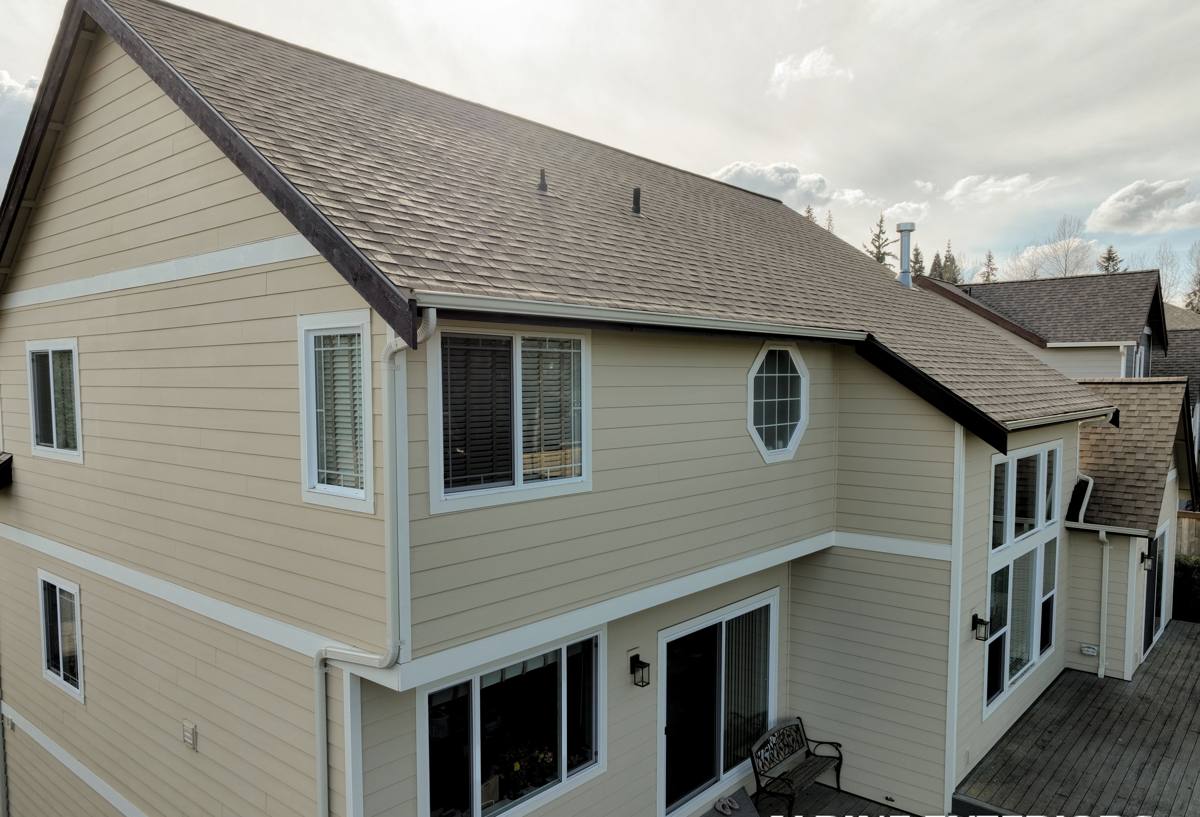
What the Coastal Climate Actually Does to Windows
Wind and Storm Pressure
Manatee County's barrier islands sit in a high-velocity hurricane zone, which means window assemblies need to handle both sustained wind pressure and windborne debris impact, not just a stiff breeze. Under-built frames flex during storms, which stresses seals and glazing over repeated events even when a window never technically fails during any single storm.
Wind-Driven Rain
Rain on the island rarely falls straight down during a storm — it comes in sideways off the Gulf. Flashing, sill pans, and sealant details matter more here than in calmer inland settings, because a marginal installation that would hold up fine elsewhere can leak on Anna Maria Island the first time a squall line comes through at an angle.
Salt Air Corrosion
Airborne salt attacks unprotected metal hardware, fasteners, and lower-grade aluminum components steadily over time. On the island, that exposure is closer to constant than it is on the mainland side of the bay, which is why hardware selection and frame material matter as much as the glass itself.
UV Exposure
Florida sun degrades vinyl, seals, and low-quality coatings faster than most homeowners expect. Cheaper window components can chalk, discolor, or lose seal integrity years before a properly specified window would, and that failure often shows up as fogging between panes or stiff, sticking hardware.
What a Correctly Specified Window Includes
A window built for this environment isn't just "hurricane glass." Several elements have to work together:
- Impact-rated glazing (laminated glass) rated for the applicable design pressure at the property's specific location and elevation
- A frame material and finish suited to salt air — properly rated vinyl, fiberglass, or coated/anodized aluminum, not bare or lower-grade metal
- Corrosion-resistant hardware (locks, hinges, cranks) rated for coastal use
- Correct sill pan flashing and integration with the surrounding wall assembly, not just sealant around the edges
- Low-E or coated glass to manage heat gain and UV, since the island gets strong sun exposure most of the year
- Proper anchoring into the existing structure, sized to the wall type — block, wood frame, or older original construction
Skipping any one of these doesn't necessarily cause an immediate failure, but it shortens the window's useful life on a barrier island in ways that are hard to notice until a storm season stress-tests the assembly.
Impact Windows vs. Impact Shutters: An Honest Comparison
Homeowners often ask whether they need impact-rated windows if they already have shutters, or vice versa. Both meet code when properly rated, but they behave differently day to day.
| Factor | Impact Windows | Shutters + Standard Windows |
|---|---|---|
| Daily use | No setup before a storm; always in place | Must be deployed and stored each storm |
| Noise and UV reduction | Ongoing, year-round benefit | None outside storm events |
| Upfront cost | Higher initial investment | Lower initial cost, added labor over time |
| Maintenance | Seals and hardware need periodic check | Tracks, panels, and hardware need upkeep too |
| Storage/appearance | No storage needed; consistent look | Panels need storage; look changes when deployed |
Neither option is wrong — the right call depends on the home, the budget, and whether the owner is on the island full-time or seasonally. We'll walk through the trade-offs honestly rather than push whichever product happens to carry a better margin.
Custom Sizing for Anna Maria Island's Older and Mixed-Era Homes
Island housing stock runs from original beach cottages to newer elevated builds to renovated multi-decade homes, and the window openings reflect that mix. Many older structures were never built to standard modern window dimensions, and additions or past remodels sometimes introduced openings that don't match any stock size at all. Custom fabrication lets us match the actual opening instead of forcing a near-fit that leaves gaps for water and wind to exploit, or trimming down an opening in a way that weakens the surrounding structure.
Elevation also matters. Homes raised on pilings or built up for flood compliance have different wall assemblies at the window openings than slab-built homes, and that changes how flashing and anchoring need to be detailed. We size and detail the installation to the structure in front of us, not a generic assumption.
How We Approach a Custom Window Project on the Island
1. On-Site Assessment
We look at existing window condition, framing, wall type, and any signs of past water intrusion before recommending anything. On the island specifically, we also check hardware corrosion and sealant condition, since salt exposure shows up there first.
2. Measurement and Product Selection
Openings are measured precisely rather than estimated, and we select glazing, frame material, and hardware rated for the property's wind zone and coastal exposure — not a generic statewide spec.
3. Permitting
Impact-rated window replacement on Anna Maria Island requires permitting through the applicable local building authority, and documentation of the product's wind and impact rating. We handle this as part of the job rather than leaving it to the homeowner.
4. Installation
Correct installation on a coastal property means proper removal of the old unit, inspection of the framing underneath for hidden rot or water damage, sill pan and flashing integration, and anchoring appropriate to the wall type. Sealant is a final layer, not the primary defense against water intrusion.
5. Final Check and Cleanup
Every install is checked for level, square, smooth operation, and a complete seal before we consider the job finished, and the site is left clean.
What to Check Before You Sign a Contract
- Is the proposed window's design pressure and impact rating documented for this specific property, not just "hurricane rated" in general terms
- Does the quote specify frame material, glazing type, and hardware grade, not just a size and price
- Is permitting included, and who pulls the permit
- Does the installer address sill pan flashing and wall integration, or only the window unit itself
- What's covered under warranty, and is it the manufacturer's warranty, the installer's labor warranty, or both
- Does the crew have direct experience working on the island specifically, versus mainland-only experience
Cost Factors for Custom Windows on Anna Maria Island
Pricing varies by opening size, glazing type, frame material, and how many openings are involved, so we won't quote a number here that wouldn't hold up on a real property. What we can say honestly is which factors move the price the most:
| Factor | Effect on Cost |
|---|---|
| Impact-rated laminated glass vs. standard glass | Increases material cost, reduces long-term storm prep labor |
| Non-standard or custom-sized openings | Increases fabrication cost vs. stock sizes |
| Frame material (vinyl vs. fiberglass vs. coated aluminum) | Varies by durability and finish quality |
| Number of openings replaced in one project | Per-unit cost typically drops with larger batch jobs |
| Structural repair needed at the opening | Adds cost but prevents installing a good window into a bad opening |
We'd rather walk through real numbers on-site than publish a range that doesn't reflect your actual home.
Why a Crew That Already Works Anna Maria Island Matters
Working on the island isn't identical to working a few miles inland. Salt exposure, wind zone requirements, permitting specifics for barrier island properties, and the realities of older or elevated construction all take direct, repeated experience to get right consistently. A crew that already works Anna Maria Island homes has already seen how these openings, wall types, and coastal conditions behave, which shows up in fewer callbacks and a tighter, longer-lasting install.
Bradenton Siding Co works throughout Manatee County, including Anna Maria Island, and we bring the same standard to every custom window job: correct sizing, coastal-rated materials, proper flashing and anchoring, and a permit process handled correctly the first time.
If you're weighing custom windows for a home on Anna Maria Island, we're glad to take a look and give you a straight, no-pressure estimate — just fill out the form below to get started.