 Bradenton Siding
 Building New on Anna Maria Island Means Building for the Gulf
Anna Maria Island sits right on the water, and that changes what a window has to do compared to a house a few miles inland. If you're building new — a full rebuild, a raised addition, or a ground-up custom home — the windows you choose and how they're installed during framing will decide how the house performs for the next 20-plus years. Get it right at the framing stage and you avoid leaks, corrosion, and code headaches down the line. Get it wrong and you're chasing water intrusion or failed inspections after the drywall is already up.
This page is specifically about new-construction window installation for homes going up on Anna Maria Island — not replacement windows going into an existing opening. The two jobs share some skills, but the approach, sequencing, and code requirements are different enough that they deserve their own conversation.
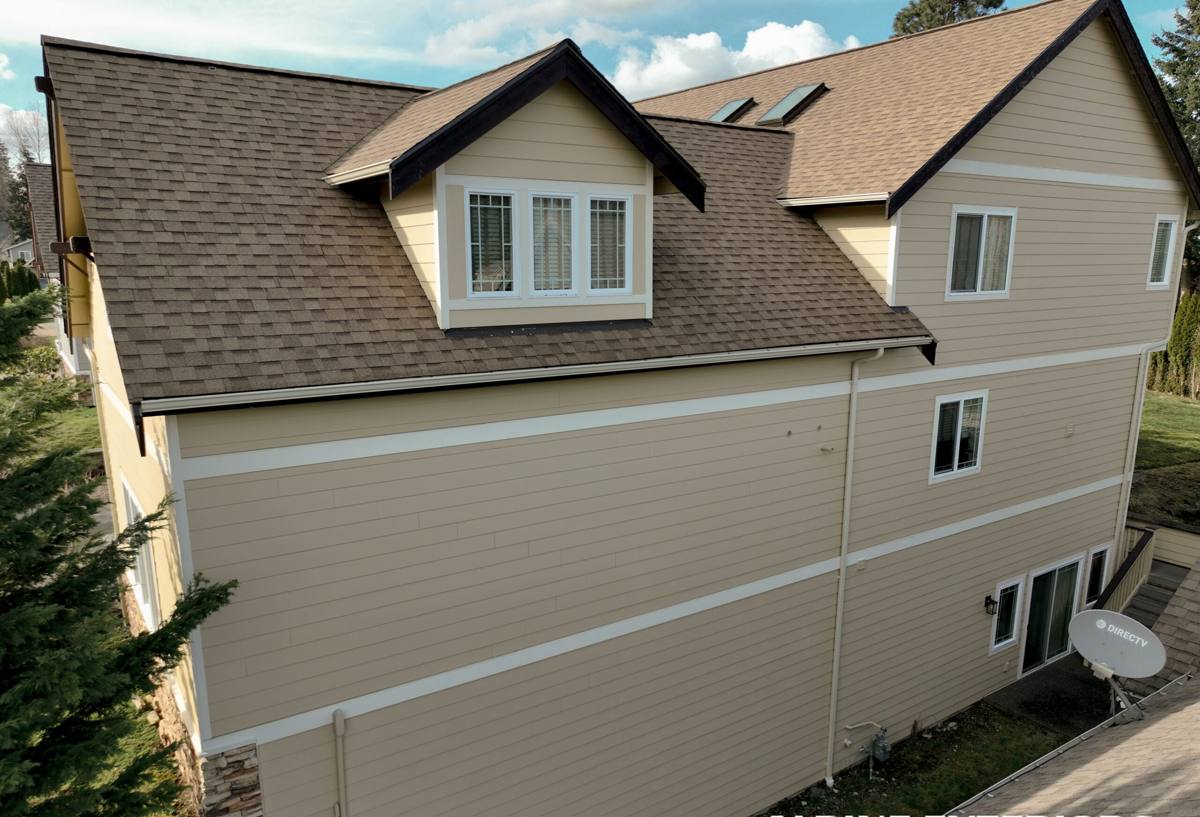
New Construction vs. Replacement: Why It's a Different Job
Replacement windows go into an opening that already exists — you're working around the old frame, the existing flashing, and whatever the original builder did right or wrong. New-construction windows go in during framing, before the exterior wall is closed up, which means we have full access to the rough opening and the weather-resistant barrier underneath the siding or stucco.
That access matters. It's the difference between patching around a problem and building the water-management system correctly from the start — sill pan, flashing laps, and fastening all installed in the right order, integrated with the house wrap or building paper before anything else covers it up. On Anna Maria Island, a lot of the "new construction" work we do is actually replacing older cottages and block homes that have reached the end of their useful life, so this comes up more here than in most Bradenton neighborhoods.
Where This Applies
- Ground-up new home construction on a cleared or rebuilt lot
- Additions with new framed wall sections
- Elevated or stilt-home construction where the living level is raised above flood grade
- Full teardown-and-rebuild projects, common where older AMI cottages are being replaced
What the Island Climate Does to Windows Over Time
Anna Maria Island homes deal with a combination of stressors that don't all show up the same way inland in Manatee County:
Salt Air and Corrosion
Airborne salt settles on hardware, screen frames, and metal fasteners. Over years, it accelerates corrosion on anything that isn't rated for coastal exposure — cheap hinges, uncoated screws, and low-grade cladding fail faster here than almost anywhere else in the county.
UV Exposure
Florida's sun is intense and consistent nearly year-round. UV breaks down seals, gaskets, and vinyl over time, which is why glazing seal quality and frame material matter more here than in a milder climate.
Wind-Driven Rain
Tropical systems and even routine summer storms push rain sideways, not straight down. A window that only sheds water in a vertical rain event will leak on an island lot facing open water or wide exposure. Flashing and sill pan detailing have to account for pressure-driven water, not just gravity.
Hurricane Wind Load
Manatee County, including Anna Maria Island, sits within Florida's wind-borne debris region under the Florida Building Code. That means new-construction openings have to be engineered for both sustained wind pressure and impact from flying debris — this isn't optional and it isn't specific to storm-prone years, it applies to every new opening.
Florida Building Code Requirements for New Openings
Every new window installed on Anna Maria Island has to meet Florida Building Code wind load and wind-borne debris requirements for its specific location. The exact design pressure (DP) rating a window needs depends on the home's height, exposure category, and proximity to open water — a beachfront lot and a lot on the bay side of the island won't necessarily need the same rated product. This is determined during the engineering and permitting phase, not guessed at on-site.
Meeting the Wind-Borne Debris Requirement
Homeowners generally have two paths to satisfy this part of the code:
| Approach | How It Works | Trade-Offs |
|---|---|---|
| Impact-rated glazing | Laminated glass unit designed to resist debris impact without shutters | Higher upfront cost per opening; no separate hardware to install, store, or deploy before a storm |
| Non-impact glass + code-compliant shutters | Standard glazing paired with approved shutter or panel system deployed before a storm | Lower window cost, but requires someone on-site to install shutters, and storage space for panels |
Both paths are code-legal when specified and installed correctly. Which one makes sense depends on the home's use — a full-time residence where someone can reliably deploy shutters is a different situation than a seasonal rental where nobody may be around before a storm.
Product Approval
Every window installed has to carry current Florida product approval (or Miami-Dade NOA where specified) matching the design pressure required for that opening. Part of our job on a new-construction project is matching the actual product label to what the engineered plans call for — not just installing "a hurricane window" and assuming it's sufficient for that specific elevation and exposure.
Getting the Installation Right During Framing
A correctly rated window still fails if it's installed wrong. New construction gives us the chance to do this properly because we're working with an open wall, not retrofitting around old material.
Sequencing That Matters
- Rough opening prep — squared, correctly sized, and sheathed before the window goes in
- Sill pan flashing — a back-dammed pan that directs any water that gets past the window back outside, not into the wall cavity
- Weather-resistant barrier integration — flashing tape and building paper lapped shingle-style so water always drains outward, never into a seam
- Fastening per the product's approval — the fastener type, spacing, and embedment have to match what the window's Florida product approval specifies, or the rating doesn't hold up in an inspection or a real storm
- Sealant compatibility — the wrong sealant chemistry against certain frame materials can fail or void a warranty; we match sealant to frame material, not just grab whatever's on the truck
Block and Frame Construction
A lot of Anna Maria Island homes are built on concrete block (CBS) at the lower levels, with wood-framed upper stories. Window installation into block requires bucking out the opening correctly and using fasteners rated for masonry, while the framed sections above use a different flashing and fastening approach entirely. New construction lets us set up each opening for its actual wall assembly instead of retrofitting one method onto every window.
Design Factors Specific to Anna Maria Island
Elevation and Flood Requirements
Many AMI properties are built at raised elevations to meet flood zone requirements, with living space above a breakaway or flow-through lower level. That changes window placement, egress planning for upper floors, and sometimes the wind exposure category used to rate the openings — a third-floor window facing open Gulf exposure needs a different rating than a ground-level window on a protected side.
Height and Setback Limits
Several communities on the island — Anna Maria, Holmes Beach, and Bradenton Beach each have their own regulations — apply height and setback restrictions that shape how a house is designed, including where and how large windows can be. This affects layout decisions early, before framing starts, which is why we prefer to be involved during design review rather than showing up after plans are finalized.
Coastal Construction Control Line
Gulf-front and near-Gulf lots may fall within the state's Coastal Construction Control Line jurisdiction, which adds another layer of review beyond standard county permitting. We coordinate window specs with whatever documentation that review requires, rather than treating it as a separate problem for the homeowner to solve.
Access and Logistics
The island has limited bridge access and narrow streets, especially in the older cottage neighborhoods. Staging large glass units and coordinating delivery windows takes more planning here than on a mainland Bradenton lot, and it's something a crew unfamiliar with the island tends to underestimate.
Our Process for a New-Construction Window Project
- Plan review — we review architectural drawings and engineering specs to confirm the design pressure and wind-borne debris requirements for each opening
- Product matching — we select windows with current Florida product approval that meets or exceeds what's specified for that elevation and exposure
- Coordination with your GC or framer — rough opening sizes and sequencing get confirmed before framing locks them in, avoiding costly rework
- Installation — sill pan, flashing, fastening, and sealant applied per the product's approved installation method, not a generic one-size-fits-all approach
- Documentation — we provide the paperwork needed for permit closeout and for your insurance file, since wind mitigation credits depend on having the right records
Why a Local Crew Matters for This Job
New-construction window work on Anna Maria Island isn't just about knowing the Florida Building Code in general — it's about knowing how it applies to this specific island, with its mix of flood elevation requirements, local height ordinances, and CCCL review on some lots. A crew that already works here knows which permitting office to coordinate with, how to time deliveries around limited bridge access, and what design pressure ranges are typical for different parts of the island based on exposure. That's knowledge you don't get from a crew that only occasionally crosses the bridge.
We work as Manatee County licensed contractors and coordinate directly with GCs and architects already building on the island, so window specs get resolved at the design stage instead of becoming a change order after framing.
Questions Worth Asking Any Contractor Before You Hire
- Can you show current license and insurance specific to Manatee County work?
- What design pressure rating are you specifying for this lot's elevation and exposure?
- Which path are we using for wind-borne debris compliance — impact glass or shutters — and why?
- Who pulls the permit, and who handles inspection scheduling?
- Have you installed windows on Anna Maria Island before, and can you speak to the local permitting process?
Planning Ahead on Cost and Timeline
New-construction window costs vary by opening size, glazing type (impact vs. non-impact), frame material, and how many openings the project has. Broadly, impact-rated glazing costs more per unit up front than non-impact glass paired with shutters, but it removes the labor and logistics of shutter deployment from every future storm. Timeline depends heavily on product lead times — custom-sized, high design-pressure units often take several weeks to manufacture, so ordering early in the framing schedule avoids delays to the rest of the build.
If you're planning a new build, addition, or full rebuild on Anna Maria Island, we're glad to walk the plans with you and put together a straightforward, no-pressure estimate — just fill out the form below to get started.