 Bradenton Siding
 Roofing Built for Life on Sarasota Bay
Bayshore Gardens sits along the water just outside Bradenton, and that location shapes everything about how a roof performs here. Homes in this part of Manatee County deal with a combination most inland neighborhoods never see: salt-laden air drifting off the bay, intense year-round Florida sun, wind-driven rain that finds every gap in a roof system, and the real possibility of hurricane-force winds during storm season. A roof that isn't specifically built to handle that combination will show it early, usually in the form of rust streaks, curling shingle edges, soft decking, or leaks that show up long before the roof's "rated" lifespan is over.
Metal roofing, installed correctly with the right materials for a coastal environment, is one of the strongest answers to that problem. This page covers what Bayshore Gardens homeowners specifically need to know before choosing a metal roof: what the local climate does to roofing materials over time, what separates a correct installation from a rushed one, how we approach these projects, and what to expect if you're considering the switch.
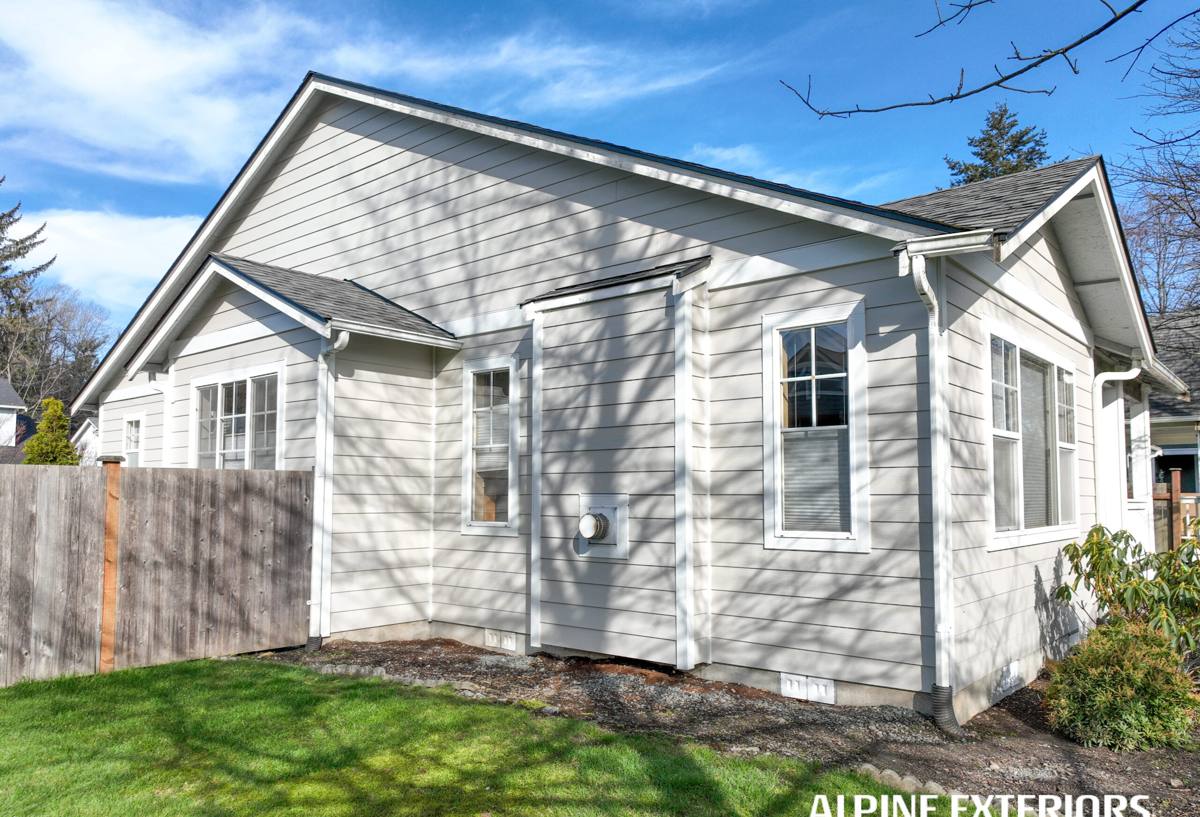
What the Bayshore Gardens Climate Does to a Roof
Every roofing decision in this neighborhood should start with an honest look at what the environment does to materials over years, not just what a product brochure claims.
Salt Air and Corrosion
Proximity to Sarasota Bay means airborne salt is a constant, low-level presence, even on days without a storm. Salt accelerates corrosion on any exposed metal — fasteners, flashing, gutters, and unprotected panel edges are all vulnerable. This is why the specific metal, coating, and fastener hardware matter more here than they would forty miles inland. Generic hardware store fasteners or bare galvanized trim will show rust within a few years in this environment; the right coated and corrosion-resistant materials won't.
UV Exposure and Heat Cycling
Florida sun is relentless on roofing year-round, not just in summer. UV breaks down organic roofing materials and degrades paint finishes and sealants over time. Roofs also go through constant heat-cycling — hot afternoons followed by cooler nights, and sudden temperature drops during afternoon storms — which causes materials to expand and contract. Panels and fasteners that aren't designed to move with that cycling loosen, crack, or fail at the seams over time.
Wind-Driven Rain and Storm Wind Loads
Bayshore Gardens' waterfront-adjacent location means wind off the bay and full exposure during tropical systems. Wind-driven rain doesn't just fall on a roof, it gets pushed sideways and upward under edges and laps, so a roof system needs proper underlayment and detailing, not just a water-shedding surface. During named storms, wind uplift at eaves, ridges, and rakes is where roofs typically fail first — this is a fastening and edge-detail issue as much as it is a material issue.
Why Metal Is a Strong Fit for This Neighborhood
Metal roofing isn't automatically the right choice for every home or budget, but for Bayshore Gardens' specific conditions, it addresses the three biggest stressors directly:
- Wind performance: A correctly installed metal roof system, especially standing seam, is engineered and fastened to resist high uplift pressures far better than most alternatives.
- Heat rejection: Reflective coatings on quality metal roofing bounce a significant amount of solar heat rather than absorbing it, which can ease the load on cooling systems during Florida's long hot season.
- Longevity with low maintenance: A properly coated, properly fastened metal roof doesn't require the periodic resealing or granule replacement that other materials do, which matters in a salt-air environment where maintenance access and corrosion risk both come into play.
None of that happens automatically just because a roof is "metal." The coating, gauge, fastening system, and installation quality determine whether those benefits actually show up over the life of the roof.
Choosing the Right Metal System for a Bayside Home
Not all metal roofing is built the same, and the differences matter more in a coastal-influenced neighborhood like Bayshore Gardens than they would elsewhere. We walk every homeowner through these trade-offs honestly rather than defaulting to whatever is easiest to install.
| Factor | Standing Seam | Exposed-Fastener Panel |
|---|---|---|
| Fastener exposure | Concealed clips, no exposed fasteners on the field | Fasteners penetrate the panel face directly |
| Salt-air durability | Higher — fewer failure points for corrosion to start | Lower — exposed fastener heads and washers are the first thing to wear |
| Wind uplift resistance | Generally stronger due to concealed clip attachment | Adequate when installed correctly, but more failure-prone at fastener points |
| Maintenance over time | Minimal — no fasteners to re-torque or reseal | Fastener washers and seals typically need periodic checking |
| Upfront cost | Higher | More budget-friendly |
Coating matters just as much as panel style. We steer homeowners toward higher-grade PVDF (often marketed as Kynar-type) finishes over basic polyester coatings for coastal-influenced areas, because PVDF holds its color and chalk resistance far longer under sustained UV and salt exposure. It costs more upfront and we say so plainly — but on a bayside home, a lesser coating showing chalking or fading in five to seven years is a real, common outcome, not a hypothetical one.
What a Correct Metal Roof Installation Actually Involves
Metal roofing failures in coastal areas are rarely about the panels themselves — they're almost always about installation shortcuts. A correct job includes:
- Proper deck inspection and repair before any panel goes down, since metal roofing telegraphs deck irregularities and won't perform if it's fastened over soft or uneven substrate.
- A code-compliant underlayment system rated for the wind and water exposure this area sees, installed with correct lap direction and sealing at penetrations.
- Correct fastener type and spacing matched to the wind zone and panel profile — this is where corners get cut most often, and where salt-air corrosion does the most damage when they are.
- Proper flashing at every transition — valleys, walls, chimneys, vents, and eaves — since these are the points where wind-driven rain actually gets in.
- Ventilation that matches the assembly so heat and moisture don't build up under the panels, which affects both energy performance and long-term deck condition.
Any one of these done poorly can undercut an otherwise good roofing product. This is why we treat installation detailing, not just material selection, as the core of the job.
Our Process for Bayshore Gardens Roofing Projects
We approach every metal roofing project in this neighborhood the same structured way:
- On-site inspection of the existing roof, deck condition, and any signs of prior water intrusion or wind damage, plus a look at how the home sits relative to wind exposure and sun orientation.
- Honest system recommendation based on your budget, the home's construction, and how long you plan to stay in the home — not a one-size-fits-all pitch.
- Clear, written estimate that spells out panel type, coating, underlayment, and fastening system so there's no ambiguity about what you're getting.
- Permitting handled correctly through Manatee County, since metal roofing in wind-exposed areas needs to meet current wind-load and fastening code requirements.
- Installation with attention to the details covered above — deck prep, underlayment, fastening, and flashing — not just panel placement.
- Final walkthrough so you understand what was done and what, if anything, requires periodic attention going forward.
Maintaining a Metal Roof in a Salt-Air Environment
Metal roofing is low-maintenance, not no-maintenance, especially this close to the bay. A little periodic attention protects the investment:
- Rinse accumulated salt film and debris off the roof surface periodically, especially in areas shaded from regular rainfall.
- Clear gutters and valleys of leaves and debris so water isn't sitting against panel edges or fasteners.
- After any major storm, do a visual check (from the ground, or have us check) for lifted panels, loose trim, or displaced flashing.
- Watch for early rust or staining at fastener heads, cut edges, or flashing seams, and address it before it spreads.
- Check sealant at penetrations — vent boots, chimney flashing, wall transitions — periodically, since sealant is the one component that ages faster than the metal itself.
Why Local Experience in Bayshore Gardens Matters
A roofing crew that regularly works this specific area understands things a crew from outside the region won't think to check: how close a given property sits to the bay and what that means for material choice, how Manatee County's permitting and wind-load requirements apply to a metal roof specifically, and what the common trouble spots look like on the housing stock typical of this neighborhood. That local familiarity translates into fewer surprises during the project and a roof system that's actually specified for the conditions it has to survive, not a generic package sold the same way in every zip code.
If you're weighing metal roofing for a home in Bayshore Gardens, we're glad to walk the roof with you, answer questions honestly, and put together a clear, no-pressure estimate using the form below.