 Bradenton Siding
 Board & Batten in Braden River: A Different Kind of Siding Job
Board and batten has become one of the most requested siding looks in Braden River, and it's easy to see why. The vertical lines read as clean and modern on newer builds, but they also suit the more traditional Florida ranch and farmhouse-style homes scattered through this part of Manatee County. What homeowners don't always realize is that board and batten is not just a style choice — it's a different assembly than lap siding, with its own drainage path, fastening pattern, and failure points. Get those details wrong on a home near the Braden River and Bradenton's climate will find the mistake for you, usually within a few storm seasons.
This page is specific to board and batten siding installed on Braden River homes. It's not a general overview of siding options — it's what this particular product needs to hold up in this particular area, and what a correct installation actually involves.
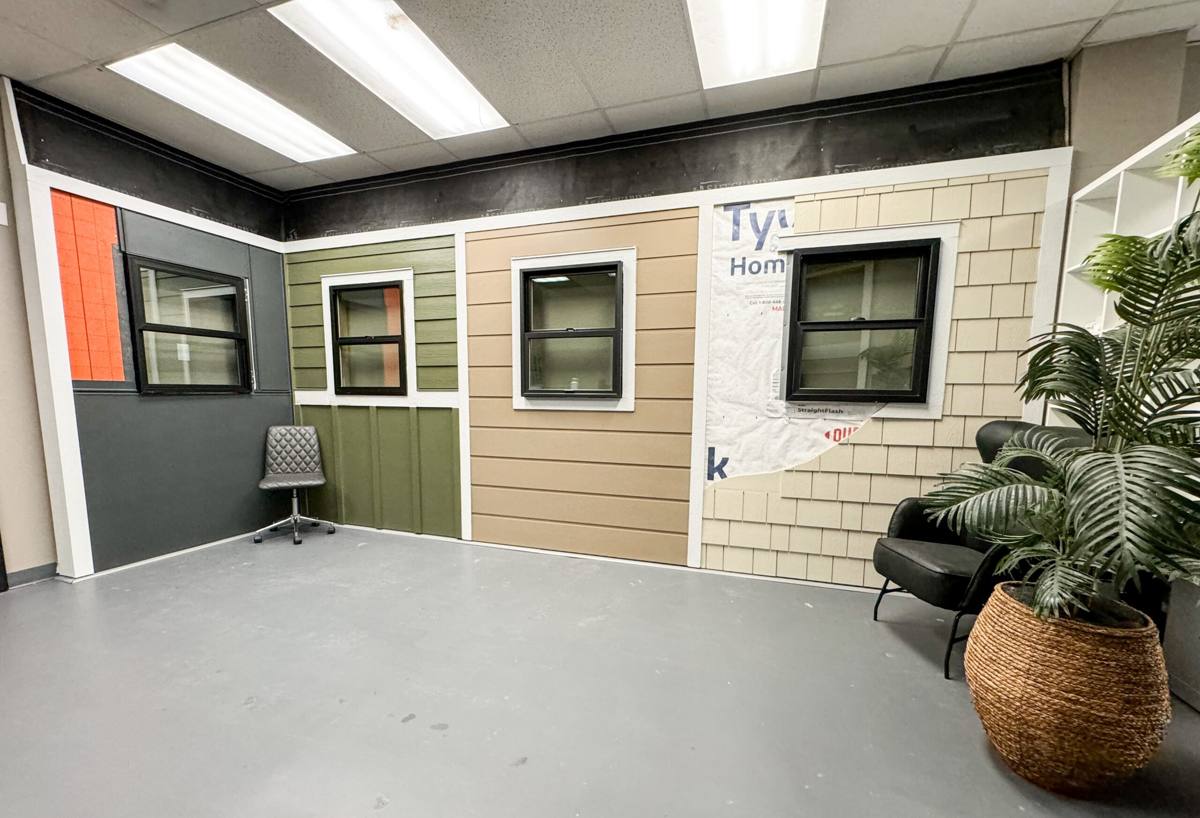
What Braden River's Climate Does to Vertical Siding
Braden River sits close enough to open water and tidal creeks that salt-laden air is a constant, low-grade stressor on any exterior material. Combine that with Bradenton's long, intense UV exposure and the humidity that never really lets up, and you have three separate forces working against a wall system at once:
- Wind-driven rain: Manatee County's storm pattern regularly pushes rain sideways into vertical siding joints, which is exactly where board and batten is most vulnerable if the battens aren't sealed and fastened correctly.
- UV degradation: Unshielded or poorly finished siding chalks, fades, and becomes brittle faster here than in almost any other part of the country. Vertical boards catch more direct sun exposure across more of their face than horizontal lap siding does.
- Salt air corrosion: Fasteners, flashing, and trim hardware that aren't rated for coastal exposure corrode faster this close to brackish water, which eventually telegraphs through as staining or loosened boards.
None of this means board and batten is a poor choice for Braden River — it means the installation has to account for these forces from the start, not patch around them later.
What a Correct Board & Batten Installation Actually Involves
Board and batten looks simple from the street: wide boards or panels with narrow battens covering the seams. Underneath that simple look, a correct installation has several layers that all have to work together.
The Drainage Plane
Every wall needs a way for the small amount of moisture that gets past the exterior cladding to drain back out. On a board and batten wall, that means a weather-resistive barrier installed correctly behind the panels, with proper laps and flashing at every penetration — hose bibs, light fixtures, dryer vents. Skip this step or rush it, and moisture gets trapped behind the siding where it can't be seen until it's already caused damage.
Fastening Pattern
Vertical panel siding needs to be fastened into solid framing at a spacing that matches both the manufacturer's specification and Florida's high-velocity wind requirements. Under-fastened board and batten is one of the more common causes of siding failure in a wind event — not because the material failed, but because the installation didn't hold it to the wall the way it needed to.
Batten Placement and Sealant
The battens aren't just decorative — they cover the seam between panels and are a primary line of defense against wind-driven rain. Batten spacing, the gap left for material movement, and the sealant used at the top and bottom terminations all matter. Done wrong, water finds its way behind the battens and stays there.
Corner and Trim Detailing
Outside corners, window and door casings, and the base of the wall are where most siding leaks actually originate. Correct flashing and trim work at these transitions is what keeps a board and batten system watertight over the long run, not the field of siding itself.
Why We Only Install James Hardie for Board & Batten
Board and batten can be built from several different materials — fiber cement, engineered wood, vinyl panel systems, or traditional wood boards. We install James Hardie fiber cement exclusively, and for board and batten specifically, that decision matters more than it might on a simple lap siding job.
Vertical siding holds more direct sun and takes on more direct rain impact per square foot than horizontal lap siding does, because there's less shadow-lapping to shed water and shield the surface. That makes the base material's stability under UV and moisture more important, not less. James Hardie's fiber cement is non-combustible, dimensionally stable under Florida's heat and humidity swings, and finished with a factory-applied ColorPlus finish engineered to resist fading under sustained UV exposure — a real factor for a vertical surface that gets hit by the sun most of the day. Hardie's HZ5 product line is specifically formulated for hot, humid, high-moisture climates like ours, which is the version we use throughout the Bradenton area.
We use HardiePanel vertical siding with HardieTrim battens as the board and batten system on most Braden River jobs — a factory-engineered panel-and-batten assembly rather than boards cut and fastened on site to approximate the look. That matters for consistency of the seams, the fastening pattern, and the long-term performance of the whole wall.
What We Won't Install, and Why
We get asked about engineered wood and vinyl board and batten options regularly, and we're upfront about why we don't install them. Engineered wood products can perform well when kept sealed and maintained, but they depend on that maintenance holding up perfectly in a climate that doesn't give a lot of room for error — humidity and moisture intrusion at a compromised seam or fastener point is where these products tend to struggle over time. Vinyl board and batten is lightweight and inexpensive, but it flexes and expands with heat, isn't rated for the same wind resistance as fiber cement, and doesn't hold color the way a factory-finished product does under years of direct Florida sun. Both are reasonable products in the right context. We simply standardized on fiber cement because it's the material we're comfortable standing behind on every home we touch in this climate.
Our Process for a Braden River Board & Batten Job
- On-site assessment: We look at the existing wall assembly, check for hidden moisture or rot, and confirm the substrate is sound before quoting anything.
- Scope and material plan: We spec the HardiePanel and HardieTrim combination, fastener type, and color for your home specifically — board and batten spacing and reveal can change the look of a house significantly, and we walk through those choices with you.
- Tear-off and prep: Old siding comes off, the wall is inspected again once it's exposed, and any framing or sheathing issues are addressed before anything new goes up.
- Weather barrier and flashing: Correct installation of the drainage plane and flashing at every penetration, before a single panel goes on.
- Panel and batten installation: Fastened to manufacturer spec and Florida's wind code, with attention to the corner and trim details that cause most long-term problems.
- Final inspection and cleanup: We walk the finished job with you before we consider it done.
Why a Local Bradenton Crew Matters for This Job
Board and batten installed correctly for Braden River isn't the same job as board and batten installed in a drier, calmer climate. A crew that works this area regularly already knows the wind load requirements Manatee County inspectors check for, understands how close to the water a given property sits and what that means for fastener and flashing choices, and has already seen how board and batten performs here over several storm seasons — not just on the day it goes up. That local track record is the difference between a siding job that looks right at installation and one that's still performing right five and ten years later.
Cost Factors for Board & Batten Siding
| Factor | Why It Affects Cost |
|---|---|
| Home size and wall complexity | More corners, gables, and trim transitions mean more detailing labor |
| Existing wall condition | Rot or moisture damage found during tear-off adds repair scope before new siding goes on |
| Batten spacing and reveal | Custom spacing for a specific look changes material takeoff and labor time |
| Color and finish | Factory ColorPlus finishes vs. field-painted options affect both price and long-term maintenance |
| Trim and flashing detail | Proper corner, window, and base flashing is labor-intensive but is what prevents leaks later |
A Homeowner's Checklist Before Hiring for This Job
- Ask specifically what siding and batten system will be used, not just "board and batten" as a general term
- Confirm the crew will install (or verify) a proper weather-resistive barrier behind the panels
- Ask how fastening will be adjusted for wind load, not just nailed at a generic spacing
- Get the fastener and flashing material specified — coastal-rated hardware matters this close to the water
- Ask whether the manufacturer's installation instructions will be followed to preserve the product warranty
- Get a clear answer on how corners, window trim, and base details will be flashed and sealed
If you're weighing board and batten for a home in Braden River, we're happy to take a look, talk through what your specific house needs, and give you a straightforward estimate — no pressure, no hard sell, just an honest read on the job.