 Bradenton Siding
 Why Braden River Homes Need Siding Built for This Climate
Braden River sits inland enough from the Gulf to feel like it should be sheltered, but anyone who has lived through a Manatee County summer knows better. The area gets the full package: hurricane-force wind gusts during tropical systems, intense year-round UV that breaks down cheaper siding materials from the outside in, wind-driven rain that finds every gap in a poor installation, and a steady dose of salt-laden air moving in off the coast and up the river corridor. Add the humidity that never really goes away and you have a climate that is genuinely hard on exterior building materials — especially anything with wood content or a factory finish that wasn't engineered for it.
This isn't a reason to panic about your siding. It's a reason to be specific about what you install and how it goes on. A product and installation method that works fine in a dry, mild climate can fail here in a fraction of the time. That's the entire reason we narrowed our business to one product.
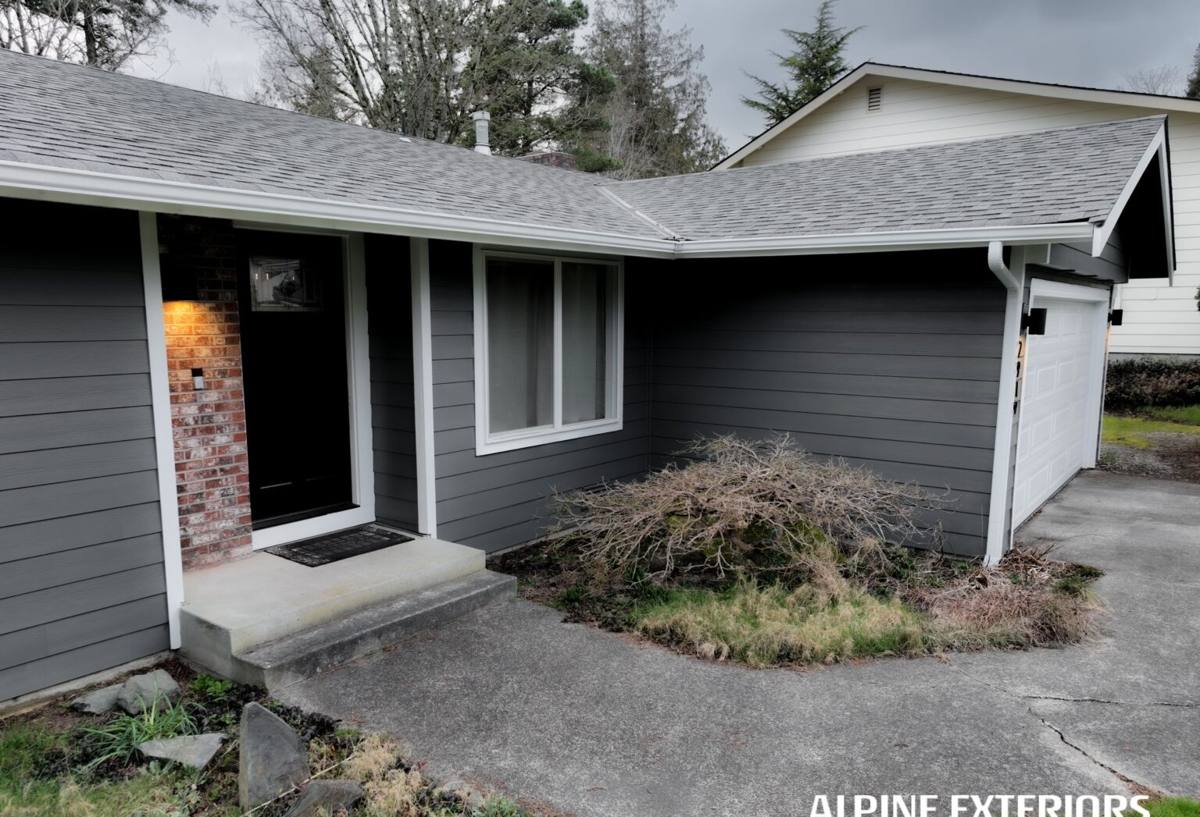
What James Hardie Siding Is — and Why It's the Only Product We Install
James Hardie siding is fiber cement: a blend of cement, sand, and cellulose fibers, formed into planks, shingles, and panels and cured into a rigid, non-combustible material. Unlike wood-based siding products, it doesn't rely on paint alone to keep moisture out, and it doesn't swell, delaminate, or attract wood-boring insects the way wood and wood-composite sidings can. Unlike vinyl, it doesn't soften, warp, or fade under sustained UV exposure, and it holds up to wind-driven debris far better.
We used to quote other siding products alongside Hardie. We stopped. In a climate like Bradenton's, the gap between fiber cement done right and the cheaper alternatives shows up within a few years, not a few decades — in caulk lines that split, edges that swell, or finishes that chalk and fade. We'd rather install one product correctly, every time, than offer a menu of options we can't stand behind equally in this climate.
The HardieZone HZ5 System: Engineered for Florida Conditions
James Hardie doesn't make one generic siding product for the whole country — the HardieZone system splits its lineup into climate-specific formulations. Homes in Manatee County fall into the HZ5 zone, which covers the wetter, more humid Southern climate belt. HZ5 products are engineered with different moisture and durability performance than the HZ10 formulation used in colder, drier Northern states.
Practically, that means the boards on a Braden River home are formulated for a place that stays humid for months at a time, sees intense sun load nearly every day of the year, and gets hit with salt-bearing wind. Installing the wrong zone's product, or installing HZ5 product with details meant for a drier climate, is one of the most common ways a siding job underperforms even when the material itself is correct.
Choosing the Right Hardie Product Line for a Braden River Home
James Hardie's product lines cover different looks and different performance needs. Picking the right one depends on your home's architecture, sun exposure, and how close you are to open water or canal frontage.
| Product Line | Best For | Notes for This Area |
|---|---|---|
| HardiePlank Lap Siding | Traditional and most Florida homes | Most common choice; wide range of widths and textures, pairs well with ColorPlus finishes |
| HardieShingle | Accent gables, coastal cottage styles | Adds visual texture; good for street-facing accents on otherwise plank-sided homes |
| HardiePanel | Modern or Florida vernacular styling | Vertical board-and-batten look, common on porches and additions |
| HardieTrim | Corners, fascia, window and door surrounds | Matched fiber cement trim resists the rot that plagues wood trim in humid climates |
Most Braden River projects use HardiePlank as the primary field siding, with HardieTrim throughout and HardieShingle reserved for accent areas. We'll walk your specific home and talk through what fits before recommending a combination — there's no single right answer for every house.
What a Correct Installation Actually Involves
Moisture Barrier and Flashing First
The siding itself is only part of the system. Behind every Hardie board on a home we install should be a properly lapped weather-resistant barrier, correctly flashed window and door openings, and kick-out flashing anywhere a roofline meets a wall. In a climate that sees sideways rain during tropical storms, this hidden layer is what actually keeps water out of your wall assembly — the siding is the second line of defense, not the first.
Fastening and Clearances
James Hardie publishes specific fastening patterns, nail types, and minimum clearances from grade, roofing, and decking — and those specs exist for a reason in high-wind zones. Under-fastened siding is one of the most common causes of wind damage during tropical systems, and it's invisible until the storm actually tests it. We follow Hardie's published installation instructions to the letter, including the fastener spacing that supports the wind ratings the product is rated for.
Caulking and ColorPlus Touch-Up
Factory-applied ColorPlus finish is baked on under controlled conditions and holds color far better than field-applied paint, but joints, cuts, and any touch-up work still need to be handled with Hardie-approved caulk and touch-up products to preserve the warranty and keep water out of end joints.
Salt Air and the Braden River Waterway Factor
Homes along the Braden River corridor — whether directly on the water or a few streets back — deal with a steadier dose of airborne salt and moisture than homes further inland. Salt exposure accelerates corrosion on fasteners, trim, and any metal flashing components, and it's harder on finishes generally. This is one more reason fastener selection matters: we use fasteners rated for the exposure the home will actually see, not just whatever is cheapest to stock. It's also part of why we don't cut corners on flashing details — a home near the river gets wetter, more often, than one a few miles inland, and the installation has to account for that.
Our Process, Start to Finish
- Assessment and measurement — we walk the full exterior, check existing sheathing and moisture barrier condition, and identify any rot or damage that needs addressing before new siding goes on.
- Product and color selection — we go through plank profile, exposure width, and ColorPlus color options based on your home's style and HOA guidelines if applicable.
- Tear-off and substrate prep — old siding comes off, sheathing is inspected and repaired as needed, and any compromised framing is addressed before it's covered back up.
- Weather barrier and flashing installation — the moisture management layer goes on correctly before a single piece of Hardie touches the wall.
- Siding installation — installed to Hardie's published specifications for fastening, clearance, and joint treatment.
- Trim, caulking, and final inspection — trim details finished, joints sealed with appropriate sealants, and a full walk-through before we call it done.
Why Hiring a Crew That Already Works Braden River Matters
Manatee County's permitting requirements and wind-load codes reflect the reality of building in a hurricane-exposed part of Florida, and a crew that regularly pulls permits and passes inspections in this area already knows what local inspectors look for. That familiarity saves time and avoids the back-and-forth that comes from a contractor learning the local process on your project. It also means we've already seen how homes in this specific area age — where sun exposure hits hardest, which elevations take the worst wind-driven rain, and what details tend to get shortchanged on lower-quality installs. That local pattern recognition is worth more than it sounds like on paper.
Cost Factors for a Braden River Hardie Siding Project
| Factor | Why It Matters |
|---|---|
| Home size and complexity | More corners, gables, and dormers mean more cutting, trim, and labor time |
| Existing substrate condition | Rot or moisture damage found during tear-off adds repair scope before new siding goes on |
| Product line mix | Combining plank, shingle accents, and trim costs more than a single uniform product |
| ColorPlus vs. field-painted | Factory-finished ColorPlus costs more upfront but avoids a full repaint down the road |
| Access and site conditions | Waterfront lots, tight side yards, and landscaping can affect staging and labor time |
We won't quote a number without seeing the house — every one of these factors changes the estimate, and guessing at a price before an inspection does you no favors.
Maintenance Checklist for Long-Term Performance
Fiber cement is low-maintenance compared to wood or vinyl, but "low-maintenance" isn't "no-maintenance," especially in this climate. A little attention goes a long way toward getting the full service life out of the material.
- Rinse siding with a garden hose (not a pressure washer at close range) once or twice a year to clear salt residue and pollen buildup
- Inspect caulk lines around windows, doors, and trim joints annually for cracking or separation
- Trim back landscaping and irrigation heads that spray directly onto siding, which keeps panels wet longer than they should be
- Check for chalking, fading, or color changes that might indicate finish wear ahead of schedule
- After any major storm, walk the exterior for loose boards, dented trim, or damaged flashing
- Keep gutters and downspouts clear so water isn't sheeting down wall surfaces
If you're weighing a siding replacement in Braden River and want a straight answer about what your home actually needs, we're happy to take a look. The estimate is free, there's no pressure, and you'll get a clear explanation of what we see and what we'd recommend — using the form below.