 Bradenton Siding
 Braden River Homes Face a Tougher Climate Than Most Siding Is Built For
Braden River sits in the heart of Manatee County, where the combination of subtropical humidity, intense year-round sun, and a location tied closely to water — both the river itself and the broader Tampa Bay air moving through the region — puts real, measurable stress on a home's exterior. Siding here doesn't just have to look good. It has to survive repeated soaking-and-drying cycles, months of high UV exposure, and the wind loads that come with living in a hurricane-prone part of Florida. A lot of the siding installed on homes in this area over the past few decades was never engineered with that combination of stressors in mind, and it shows up as premature failure long before a homeowner expects to think about siding again.
This page focuses on one thing: what a correct siding replacement looks like for a Braden River home, why the climate here changes the calculus compared to a generic siding job, and why we install nothing but James Hardie fiber cement when we do it.
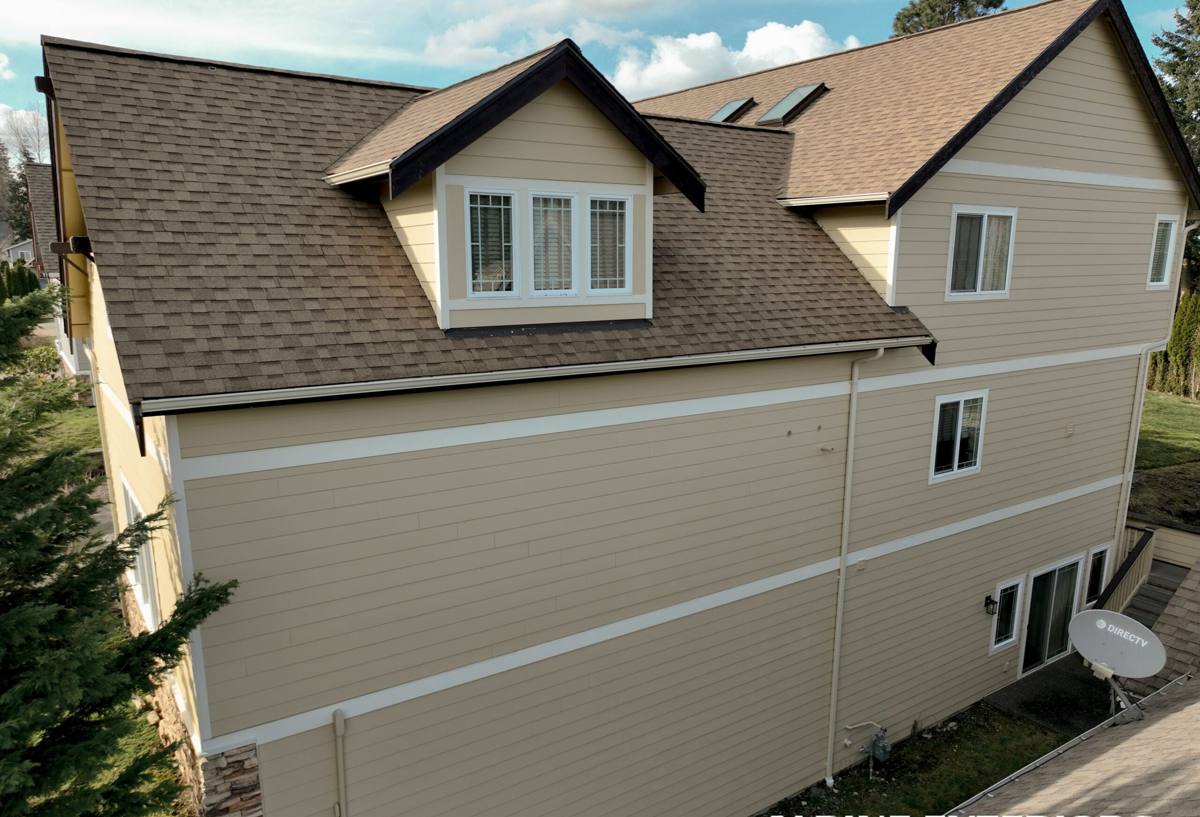
What Bradenton's Climate Actually Does to Siding Over Time
UV Exposure
Florida sun is relentless almost twelve months a year. Vinyl siding softens, warps, and fades under sustained UV — the color loss on the sun-facing side of a house is often visible within a handful of years. Wood and wood-composite products need their protective coatings renewed regularly or the surface starts to break down. Fiber cement with a factory-applied finish is formulated specifically to resist UV degradation, which matters enormously in a market where the sun exposure never really lets up.
Humidity and Moisture Cycling
Manatee County's humidity means siding is rarely fully dry. Materials that absorb moisture — untreated wood, some engineered wood products, and siding installed with poor drainage detailing — stay damp longer, which accelerates rot, delamination, and paint failure. The Braden River area's proximity to water only adds to the ambient moisture load on a home's exterior.
Wind and Storm Load
Hurricane-force wind events are a real design consideration here, not a hypothetical. Siding needs adequate fastening, correct nailing patterns, and a product rated to hold up under wind-driven rain intrusion. Loose panels, blown-off sections, and water infiltration behind siding after a storm are almost always traceable to either the wrong product or an installation that cut corners on fastening and flashing.
Salt-Influenced Air
Even away from the immediate coastline, air moving off Tampa Bay and the Gulf carries salt content that accelerates corrosion on fasteners, trim, and any metal components tied into the siding system. Over time this affects how well a siding system — and everything holding it together — actually performs.
Signs a Braden River Home Needs Siding Replacement, Not Another Repair
Not every siding issue calls for a full replacement, but in this climate, certain signs mean patching is just delaying a bigger problem:
- Soft, spongy, or crumbling spots when you press on the siding, especially near the bottom courses or around windows
- Visible warping, buckling, or panels pulling away from the wall
- Paint that keeps failing within a year or two of repainting, even with quality paint
- Persistent staining or streaking that suggests water is tracking behind the siding, not just running off it
- Cracked or split panels, particularly after storm season
- Rising energy bills tied to gaps or degraded siding allowing air infiltration
- Visible mold, mildew, or a musty smell along exterior walls inside the home
- Siding that's simply reached the end of its rated service life, regardless of how it currently looks
What a Correct Siding Replacement Actually Involves
Tear-Off and Substrate Inspection
Removing the old siding is also the only real chance to inspect the sheathing underneath. In a humid climate like this, hidden rot or moisture damage behind old siding is common, and it needs to be addressed before anything new goes up — covering over a compromised substrate just guarantees a repeat failure.
Water-Resistive Barrier and Flashing
A correctly installed weather-resistive barrier, properly lapped and sealed, along with correct flashing at windows, doors, and any wall penetrations, is what actually keeps wind-driven rain out of the wall assembly. This detailing matters more here than in drier, calmer climates, and it's the step most likely to get rushed on a low-bid job.
Fastening and Clearances
James Hardie specifies exact nailing patterns, fastener types, and clearances from grade, roofing, and other transitions. Following that specification isn't optional — it's what the product's wind and warranty performance is actually based on. Skipping or approximating it undermines the whole system, even if the visible result looks fine on day one.
Finish and Detailing
Trim, caulking, and touch-up work at cut edges all affect how well the finished siding resists moisture intrusion over time. A rushed finish stage is one of the most common reasons a siding job looks good at installation and starts failing within a few years.
Why We Install Only James Hardie Fiber Cement
We don't install vinyl siding, LP SmartSide, Cemplank, Allura, or primed spruce or cedar. That's a deliberate standard, not a limitation in what we're capable of installing. Each of those products has legitimate uses, but each also comes with a trade-off — moisture sensitivity, UV degradation, combustibility, or a shorter real-world service life — that we don't think holds up well against Bradenton's climate over the long run.
James Hardie fiber cement is engineered from cement, sand, and cellulose fibers, which makes it non-combustible and dimensionally stable in a way wood and wood-composite products can't match. It doesn't absorb moisture the way wood-based sidings do, and it holds paint and factory finishes far longer under sustained UV exposure. James Hardie's ColorPlus finish is baked on at the factory under controlled conditions, which gives it better fade and chip resistance than field-applied paint. Hardie also produces climate-specific HZ product lines engineered for humid, high-moisture regions like ours — that's a level of climate-matching most competing products simply don't offer. Backed by a strong transferable warranty, it's the product we're willing to put our name behind on Braden River homes.
Our Process for Braden River Siding Replacement Projects
- On-site assessment. We look at the current siding, the substrate where accessible, and the specific exposure of your home — sun-facing walls, wind exposure, proximity to water — before recommending anything.
- Product and profile selection. We walk through James Hardie's plank, shingle, and panel options and colors so the finished look fits the home and the neighborhood.
- Written estimate. A clear scope and price before any work starts — no surprises added mid-project.
- Tear-off and inspection. Old siding comes off, sheathing gets inspected, and any needed repairs are addressed and documented before new material goes up.
- Installation to manufacturer spec. Water-resistive barrier, flashing, fastening, and clearances all done to James Hardie's published requirements, not shortcuts.
- Final walkthrough. We go over the finished job with you directly before calling it complete.
Comparing Siding Options for This Climate
| Material | UV/Fade Resistance | Moisture Behavior | Wind/Storm Performance | Fire Rating |
|---|---|---|---|---|
| James Hardie Fiber Cement | Strong — factory ColorPlus finish | Doesn't absorb moisture like wood | Rated for high-wind installation | Non-combustible |
| Vinyl | Fades and can warp under sustained sun | Doesn't rot, but seams and gaps allow water behind panels | Can crack or blow off in high wind | Combustible |
| LP SmartSide / Engineered Wood | Needs coating maintenance | Wood-based core sensitive to prolonged moisture | Adequate when properly installed | Combustible |
| Primed Wood/Cedar | Requires frequent repainting | Highly moisture-sensitive; prone to rot in humid climates | Variable; depends on species and install | Combustible |
Cost Factors for a Braden River Siding Replacement
| Factor | Why It Affects Cost |
|---|---|
| Home size and wall complexity | More square footage and more corners, gables, and trim details mean more labor and material |
| Substrate condition | Rot or moisture damage found during tear-off requires repair before new siding goes up |
| Product profile chosen | Lap, shingle, and panel styles carry different material and installation costs |
| Trim and accessory work | Fascia, soffit, and trim replacement alongside siding adds scope |
| Access and site conditions | Landscaping, height, and setback can affect labor time |
We don't quote ranges we can't back up on paper, but every project gets a specific, itemized estimate after we've actually looked at your home — not a phone-quote guess.
Why a Crew That Already Works Braden River Matters
A contractor who regularly works Braden River and the surrounding Bradenton area already understands the local permitting process through Manatee County, knows what wind and moisture exposure typically looks like on homes in this specific area, and has seen how different siding choices have actually held up here over time — not in a lab, but on real roofs and walls a few miles from where you live. That local track record matters more than it might seem on paper: it's the difference between a crew guessing at what your home needs and one that's already dealt with the same climate conditions on the house down the street.
If your Braden River home's siding is showing its age, or you just want a straight answer on whether repair or replacement makes more sense, we're glad to take a look. Reach out for a free, no-pressure estimate using the form below.