 Bradenton Siding
 Building on Bradenton Beach Means Building for the Gulf
Bradenton Beach sits on Anna Maria Island, right up against the Gulf of Mexico, which puts every new home or addition here in a different category than an inland build. The windows going into a new-construction project on the island have to handle salt-laden air, sustained wind loads, wind-driven rain, and some of the most intense year-round UV exposure in the country. Getting new-construction windows right isn't just about picking a style out of a catalog — it's about matching the product and the installation method to what a barrier island in Manatee County actually throws at a building.
New-construction windows are a different job from replacement windows, and it matters that the crew setting them understands that difference before the first window ever goes into the rough opening.
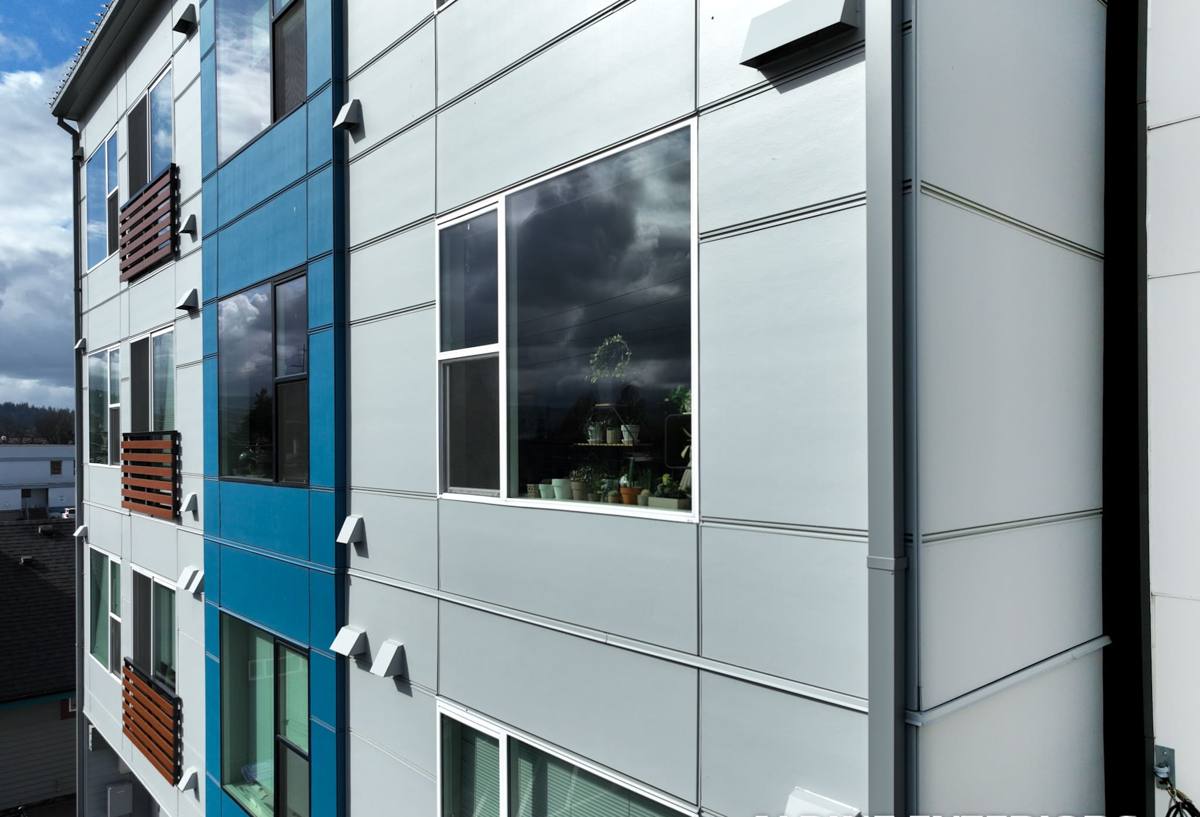
New Construction vs. Replacement: Why the Install Method Is Different
Replacement windows go into an existing frame, often using the old frame as a starting point. New-construction windows are set directly into a framed rough opening before the exterior finish — stucco, siding, or trim — is applied. That means the window installer is working in coordination with the framing crew, the weather-resistive barrier, and the flashing sequence, not around them.
This matters because a new-construction window typically uses a nailing flange (or a flush-fin design) that gets integrated directly into the wall's water management system. If that flashing sequence is done out of order or skipped, the window can look perfect from the outside and still leak the first time wind-driven rain hits the wall at an angle — which, on Anna Maria Island, happens regularly during tropical storms and even routine summer squalls.
What Correct Sequencing Looks Like
- Weather-resistive barrier installed and lapped correctly before the window ever arrives on site
- Sill pan flashing set at the rough opening to direct any intrusion back outside the wall plane
- Window set plumb, level, and square, then fastened per the manufacturer's approved schedule
- Jamb and head flashing integrated over the nailing fin, shingle-lapped with the wall's water barrier
- Sealant applied only where the manufacturer specifies — not as a substitute for proper flashing
- Final inspection of the rough opening perimeter before stucco, siding, or trim closes it in
What Bradenton Beach's Climate Demands From a Window
Coastal Manatee County construction falls inside Florida's wind-borne debris region, so new-construction glazing here typically needs to be either impact-rated or paired with code-approved shutter protection, depending on the home's wind zone and design pressure requirements. Beyond wind, three other climate factors shape what we recommend for a build on the island.
Salt Air and Corrosion
Homes within a mile or two of the Gulf see accelerated corrosion on hardware, screws, and frame components that aren't rated for coastal exposure. Standard fasteners and hinge hardware can start showing rust and pitting within a couple of seasons this close to saltwater. We spec corrosion-resistant fasteners and hardware for every coastal build, not just the ones facing the water directly — salt travels on the wind.
UV and Heat Load
Florida's year-round sun degrades ordinary glass coatings and can significantly raise cooling costs in a home that isn't glazed correctly. Low-E coatings and the right glass package cut down on UV degradation of interior finishes and keep the HVAC system from working overtime through a Bradenton summer.
Wind-Driven Rain
It isn't the rain that causes problems — it's rain moving sideways under pressure during a storm. A window that's rated for wind but installed with lazy flashing will still let water in around the frame. This is where installation quality matters as much as the product spec sheet.
Frame Material Comparison for Coastal New Construction
There's no single "best" frame material for every project — it depends on budget, the home's design, and how close the lot sits to the water. Here's how the common options stack up for a Bradenton Beach build.
| Frame Material | Coastal Durability | UV/Heat Performance | Maintenance | Typical Cost Tier |
|---|---|---|---|---|
| Vinyl | Good with UV-stabilized formulations | Good with Low-E glass package | Low | Entry to mid |
| Aluminum | Strong structurally, needs marine-grade coating near saltwater | Fair — conducts heat unless thermally broken | Low to moderate | Mid |
| Fiberglass | Excellent — highly resistant to salt and moisture | Excellent, stable in high heat | Low | Mid to high |
| Wood-clad | Weakest choice this close to the Gulf without diligent upkeep | Good with proper glazing | High | High |
For most Bradenton Beach new-construction projects, we steer homeowners and builders toward vinyl or fiberglass because both hold up against salt air with far less long-term maintenance than wood or uncoated aluminum. Where a design calls for larger openings or specific structural spans, aluminum with a proper thermal break and marine-grade finish can still make sense — we'll walk through the trade-offs for your specific plan rather than defaulting to one product for every job.
Our New-Construction Window Process
On new builds we work directly with the general contractor or framer, which keeps the schedule moving and avoids the finger-pointing that happens when the window crew and the framing crew aren't coordinated.
- Plan review: We review the architectural plans and window schedule before framing is complete, confirming sizes, egress requirements, and wind design pressures for each opening.
- Rough opening verification: Before any window arrives on site, we check that openings are framed square, plumb, and to the correct dimension.
- Flashing and weather barrier coordination: We confirm the weather-resistive barrier and sill pans are installed correctly before setting windows, and we integrate our flashing into that system rather than layering over mistakes.
- Window installation: Each unit is set, fastened, and flashed to manufacturer specification and Florida Building Code requirements for the home's wind zone.
- Quality check: We inspect every opening before the exterior finish closes it in — this is the point where a flashing error is cheap to fix and after which it becomes expensive.
- Final walkthrough: Once siding, stucco, or trim is complete, we do a final check on operation, seals, and hardware.
Why a Crew That Already Works Bradenton Beach Matters
Anna Maria Island isn't like building on the mainland. Getting materials, crews, and equipment across the bridges takes planning, and staging space on island lots is often tighter than a mainland job site. A crew that regularly works Bradenton Beach already has that logistics figured out, which keeps a new-construction schedule from stalling on something as simple as a delayed material delivery.
There's also the permitting and inspection side. Manatee County and the City of Bradenton Beach have their own permitting process and inspection expectations for coastal construction, and window installations on new builds typically require inspection sign-off tied to wind load and impact compliance documentation. A crew that pulls permits in this jurisdiction regularly knows what inspectors are looking for and what documentation needs to be on hand, which avoids the delays that come from a first-time misunderstanding of local requirements.
Finally, there's simple pattern recognition. A crew that's set dozens of window openings on the island has seen how salt air, wind, and sun actually affect installations here over time — not in theory, but in the callbacks and warranty claims they don't get anymore because they've already adjusted their fastener specs, flashing details, and glass packages for this exact environment.
Coordinating With Your Builder
If you're working with a general contractor on a new home or major addition, the window installer needs to be looped in early — ideally during the plan review stage, not after framing is already up. This lets us flag any window openings that don't match available impact-rated sizes, confirm wind design pressures against the plans, and avoid change orders later in the build.
Questions Worth Asking Before Framing Starts
- Do the planned window sizes match standard impact-rated stock, or will units need to be custom ordered?
- What wind design pressure rating does each elevation of the home require?
- Who is responsible for the sill pan flashing detail — the framer, the window installer, or the siding crew?
- What's the lead time on the specified glass package, and does it fit the build schedule?
- Will the home need impact glass on every opening, or is shutter protection approved for some elevations?
Getting Started
Whether you're a homeowner building new on Bradenton Beach or a contractor looking for a window crew that already knows the island, we're happy to look over your plans and talk through what the openings on your project actually need. Reach out for a free, no-pressure estimate — there's a form below to get the conversation started.