 Bradenton Siding
 Why Bradenton Beach Roofs Take a Different Kind of Beating
A roof on Bradenton Beach earns its keep in ways a roof twenty miles inland never has to. This is a barrier island community, sitting between the Gulf and the mainland, and that position means every storm system that rolls through brings a combination most roofing materials weren't designed for: sustained hurricane-force wind gusts, horizontal rain driven sideways under shingles and flashing, and a steady bath of salt air that corrodes metal fasteners and fittings year-round. Add in Florida's relentless UV exposure, which bakes roofing materials from above even on the calmest days, and you have a recipe for roofs that age faster and fail differently than roofs elsewhere in Manatee County.
We repair storm-damaged roofs on Bradenton Beach on a regular basis, and the patterns are consistent. Homes here don't usually fail because a roof was installed badly — they fail because the wind and salt exposure on the island is more aggressive than what most roofing systems, and even some installers, are built to handle.
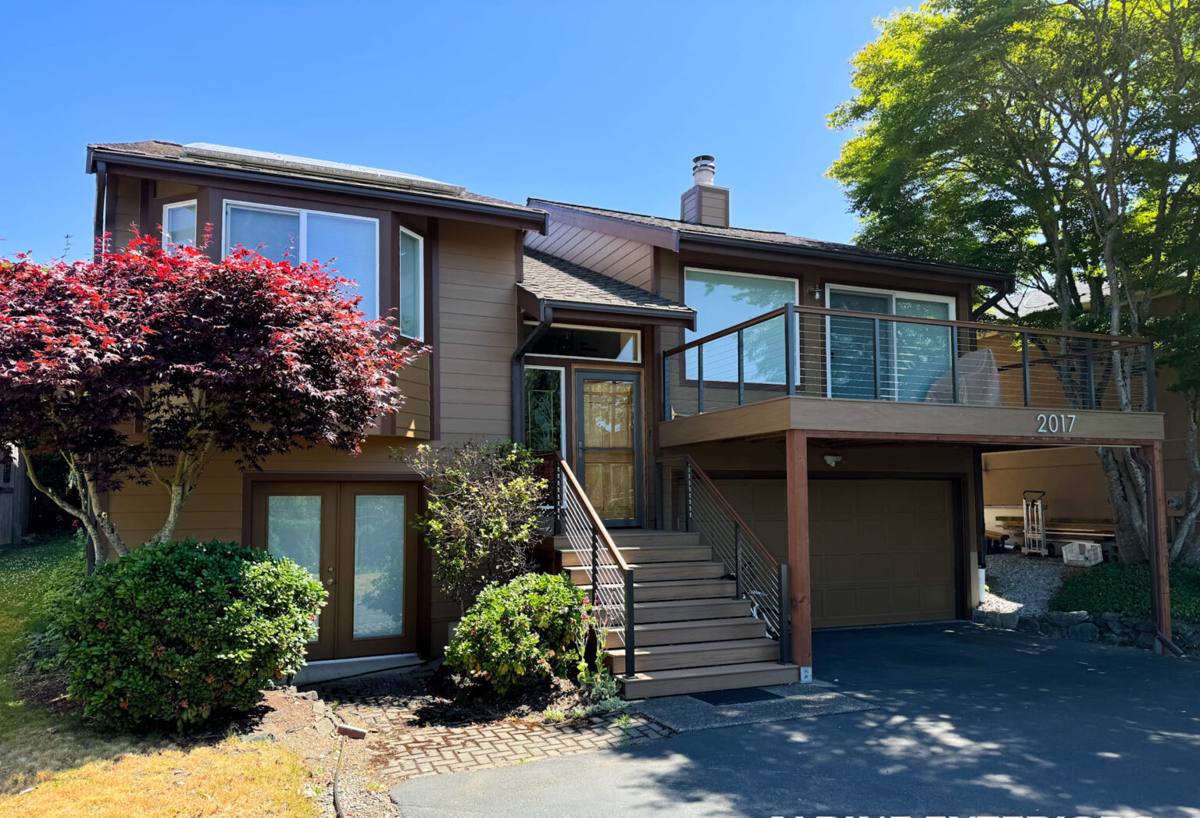
What Storm Damage Actually Looks Like on a Barrier Island Roof
Wind Damage
High wind doesn't just rip shingles off in dramatic fashion — more often it works underneath the tab seal, breaks the adhesive bond, and lifts a corner just enough to let water in on the next rain event. By the time a homeowner notices a stain on the ceiling, the wind event that caused it may have happened weeks earlier. Sustained coastal gusts also stress ridge caps, hip lines, and the edges of the roof field, which is where we find most storm-related failures.
Wind-Driven Rain Intrusion
On the island, rain rarely falls straight down during a storm — it comes in sideways. That changes how water finds its way into a roof system. Flashing around chimneys, skylights, vent pipes, and roof-to-wall transitions is designed to shed water moving downward, not water being pushed sideways or even upward under wind pressure. Wind-driven rain is the single biggest cause of hidden leaks we find after a storm event on Bradenton Beach homes.
Salt Air and UV Aging
Salt-laden air accelerates corrosion on exposed nails, flashing, drip edge, and any metal roofing components. Combined with intense year-round sun exposure, this ages roofing materials faster on the island than on a comparable inland roof. A roof that would show minor wear at ten years inland can show real deterioration on Bradenton Beach in that same span, which is why storm damage often reveals problems that were already developing quietly underneath.
Signs You Need a Storm Damage Inspection Now
Not all storm damage is obvious from the ground. After any significant wind or rain event, it's worth checking for these signs, or having a professional check for you:
- Missing, lifted, or curling shingles, especially along ridges, hips, and roof edges
- Granules collecting in gutters or at downspout discharge points
- Visible daylight or gaps around vent pipes, chimneys, or skylights
- Water stains or discoloration on ceilings or in the attic
- Soft or spongy spots when walking the roofline is inadvisable to check yourself
- Bent, lifted, or missing flashing around roof penetrations and wall transitions
- Debris punctures or dents from wind-blown branches or airborne materials
- Musty odors indoors, which can indicate moisture intrusion before a visible stain appears
If you notice any of these after a storm, the roof should be inspected before the next rain event, not after.
Our Storm Damage Repair Process
Emergency Mitigation First
When a roof has active leaking or exposed decking after a storm, the first priority is stopping further water intrusion. That usually means tarping exposed areas and securing loose materials so a bad situation doesn't get worse while a full repair is scheduled. This step matters most in the days right after a hurricane or major wind event, when a delay of even one more rainstorm can turn a repairable roof into one that needs a full section replaced.
Full Inspection and Documentation
Once the roof is stabilized, we do a complete inspection — not just of the visible damage, but of the surrounding areas most likely to be compromised: flashing, underlayment where accessible, ridge and hip lines, and attic ventilation. We document what we find with photos and a written scope, which matters if you're also filing an insurance claim. Storm damage that isn't documented properly at the time of inspection can be harder to substantiate later.
Repair vs. Replace
Most storm damage on Bradenton Beach roofs is repairable — a section of shingles, a flashing detail, a compromised ridge cap. We repair what can be repaired correctly and tell you honestly when a section, or the whole roof, has aged past the point where a patch is a responsible long-term fix. A roof already near the end of its service life from years of sun and salt exposure sometimes reaches that point sooner than the shingle warranty would suggest, and we'll walk you through that assessment rather than just quoting a patch and moving on.
Roofing Materials That Hold Up on the Island
Not every roofing material performs the same way under coastal wind and salt exposure. When we repair a section of roof, we match materials to what the rest of the roof needs to survive here — and when a homeowner is deciding what to install going forward, these are the honest trade-offs.
| Material | Wind Performance | Salt/Corrosion Resistance | Maintenance |
|---|---|---|---|
| Architectural asphalt shingle (high wind-rated) | Good, when installed with proper nailing pattern and sealant | Fair — metal fasteners and flashing need corrosion-resistant coatings | Periodic inspection after storms; moderate |
| Standing seam metal | Very good, especially with concealed fastener systems | Good with marine-grade coatings; standard coatings degrade faster near salt air | Low, but coating condition should be checked periodically |
| Concrete or clay tile | Good when fasteners and underlayment are rated for high wind, but individual tiles can crack from debris impact | Very good — tile itself doesn't corrode | Moderate; cracked or dislodged tiles need prompt attention |
There's no single "best" material for every home — the right choice depends on your roof's slope, structure, HOA or condo association rules if applicable, and budget. What matters more than the material name is installation quality: correct fastening patterns, proper underlayment, and flashing details built for wind-driven rain, not just standard downward drainage.
Insurance Claims and Storm Repairs
Most storm damage repairs on Bradenton Beach involve an insurance claim, and a few practical points make that process smoother. Photograph any visible damage yourself as soon as it's safe to do so, before tarps or temporary repairs cover it up. Keep records of when the storm occurred relative to when damage was discovered. And get a professional inspection promptly — adjusters generally view prompt documentation more favorably than damage reported weeks after the fact.
We provide the kind of documentation — photos, a written scope of damage, and a clear repair estimate — that supports a claim, but we work for you, not the insurance company. Our job is to give an honest assessment of what the storm actually damaged.
Why a Crew That Already Works Bradenton Beach Matters
Barrier Island Access and Logistics
Getting crews, materials, and equipment onto the island isn't quite the same as working a mainland Manatee County job. Bridge access, narrow streets, limited staging space, and in some cases condo or HOA coordination all factor into scheduling a repair efficiently. A crew that already works this area on a regular basis has that logistics figured out — which matters most when you're trying to get a leak stopped quickly after a storm.
Local Code and Wind Requirements
Roofing work in this part of Florida has to meet wind-load and wind-borne-debris requirements that are more demanding than in many parts of the country, and permitting is handled through the local jurisdiction. A crew that regularly pulls permits and passes inspections in this specific area knows what inspectors here are looking for, which avoids the delays that come from a contractor learning the local process on your job.
After the Repair: Keeping a Storm-Repaired Roof Sound
A properly completed storm repair should hold up to normal Gulf coast weather, but a little attention afterward extends its life:
- Have the roof inspected after any future major wind or hurricane event, even if no leak is visible
- Keep gutters and downspouts clear so water sheds properly off repaired sections
- Watch for granule buildup in gutters as an early sign of shingle wear
- Check attic ventilation periodically — poor ventilation traps heat and moisture that shorten a roof's life
- Address minor flashing or sealant issues promptly rather than waiting for the next storm season
A storm-damaged roof on Bradenton Beach isn't something to guess about or put off. If you've had recent wind or rain damage, or just want an honest look at where your roof stands heading into the next storm season, we're happy to come out, inspect it, and give you a straightforward, no-pressure estimate using the form below.