 Bradenton Siding
 Windows in Cortez Take a Beating — Here's Why
Cortez sits right up against the water on the west side of Bradenton, and that location shapes everything about how windows perform here. Salt-laden air moves through this part of Manatee County constantly, and it doesn't take a named storm to cause damage — it's the everyday exposure that slowly corrodes hardware, pits aluminum frames, and breaks down seals faster than it would a few miles inland. Add in wind-driven rain that gets pushed sideways during summer squalls and tropical systems, plus year-round UV that's some of the most intense in the country, and you've got a combination that finds every weak point in a window installation within a few years, not a few decades.
A lot of the housing stock in and around Cortez is a mix — older coastal cottages that have been added onto or updated over the years, sitting alongside newer waterfront construction. Both categories have windows that were, at some point, installed to a code standard that's now out of date, or installed correctly for their time but never designed for today's wind load requirements. Getting window installation right in this specific area means understanding both what the Florida Building Code demands here and what the coastal environment actually does to materials over time — not just hanging a window that fits the opening.
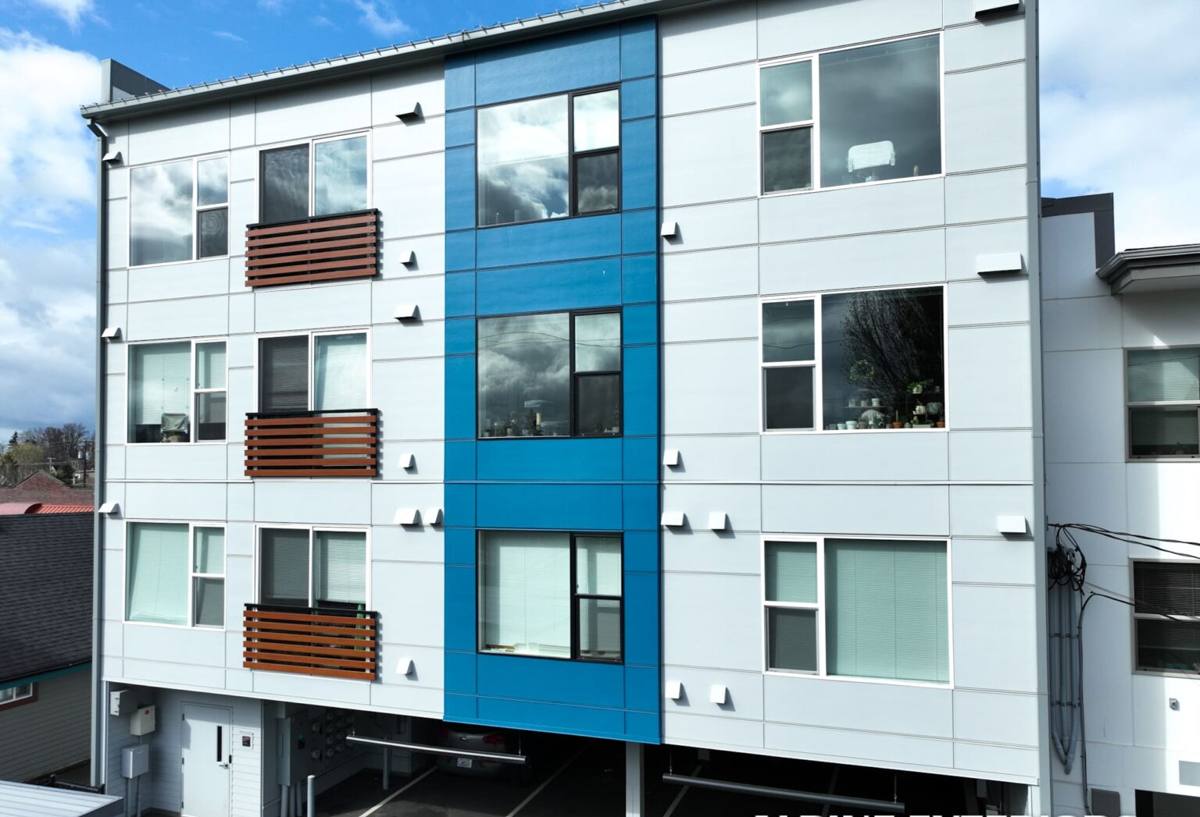
What a Correct Window Installation Actually Involves
Window installation sounds simple from the outside — take the old one out, put the new one in — but the difference between a window that holds up through hurricane season after hurricane season and one that fails at the frame or lets water in comes down to details most homeowners never see once the trim is back on.
Wind Load and Impact Rating
Manatee County is in a wind-borne debris region, which means new and replacement windows generally need to meet specific design pressure (DP) ratings or be paired with approved impact protection. The correct rating depends on the home's exposure category, height, and location relative to the coast — a waterfront property in Cortez and a home set back from the water can carry different requirements even within the same neighborhood. This isn't a detail to guess at; it has to be calculated and documented for permitting.
Flashing and Water Management
Most window failures that show up years later — stained drywall, soft framing, mold behind the wall — don't start with the glass. They start with flashing that wasn't lapped correctly, sealant used in place of proper mechanical flashing, or a rough opening that wasn't prepped to shed water outward. In a wind-driven rain environment like this one, water gets pushed into gaps that would stay dry in calmer climates, so the flashing sequence matters more here than almost anywhere else in the state.
Fastening and Anchoring
The anchors, screws, and shims used to secure a window into the rough opening have to match both the window manufacturer's tested installation instructions and the substrate they're going into — wood framing, masonry, or block construction all call for different anchoring approaches. Skipping the manufacturer's specified fastening schedule is one of the most common ways an otherwise good window ends up failing a wind event.
Signs a Cortez Home Needs New Windows
Salt air and sun exposure don't always announce themselves with an obvious leak. Here's what we look for, and what homeowners in this area should watch for between inspections:
- Aluminum frames with visible pitting, chalky white corrosion, or a rough, sandy texture to the metal
- Hardware — locks, cranks, hinges — that's stiff, corroded, or won't fully engage
- Fogging or moisture trapped between panes of double-pane glass, which means the seal has failed
- Drafts or a noticeable temperature difference near the window even when it's closed
- Visible daylight or gaps around the frame where it meets the wall
- Soft or discolored drywall, trim, or sill area below or beside the window
- Windows that predate current wind load codes, or that have no visible impact rating label
- Difficulty opening, closing, or locking a window that used to operate smoothly
Any one of these on its own might just mean routine maintenance. Several at once, especially on a home that's had the same windows for 15-20+ years, usually means it's time to talk about replacement.
Window Types and What They Cost to Own
There's no single "right" window for every Cortez home — it depends on the home's exposure, the homeowner's budget, and how much ongoing maintenance they want to take on. Here's how the common options stack up for this specific climate:
| Window Type | Coastal Performance | Maintenance | Typical Cost Position |
|---|---|---|---|
| Impact-rated (laminated glass) | Strong wind and debris resistance; often removes need for shutters | Low — no separate storm protection to deploy | Higher upfront, often offsets shutter/insurance costs over time |
| Non-impact + approved shutters | Meets code when paired with rated shutters, deployed before storms | Moderate — shutters need to be installed/removed and maintained | Lower upfront, added labor and gear cost long-term |
| Vinyl frame | Won't corrode from salt air; can soften/warp under sustained heat if lower-grade | Low | Mid-range |
| Aluminum frame | Strong, but prone to pitting and corrosion near open water over time | Higher — needs periodic cleaning and hardware checks | Mid-range |
Beyond the window itself, cost is driven by opening size, whether it's a straight retrofit into an existing frame or a full-frame replacement (which is often the better call on older or corroded openings), and how many openings need permitting at once. We'll walk through the honest trade-offs for your specific home rather than pushing the most expensive option by default.
How We Approach a Window Installation Project
- On-site assessment. We check existing frame condition, flashing, wall substrate, and take accurate measurements — this determines whether a retrofit or full-frame replacement is the right call.
- Product selection. We go over impact vs. non-impact options, frame materials, and design pressure requirements for your specific opening and exposure.
- Permitting. We handle the permit application and documentation with Manatee County, including the wind load calculations required for approval.
- Removal and prep. Old windows come out, the rough opening gets inspected for hidden water damage or rot, and any needed repairs happen before the new window goes in.
- Flashing and installation. Windows are set, shimmed, and anchored per manufacturer specs, with flashing installed to direct water outward, not into the wall.
- Sealing and finish. Interior and exterior sealant, trim, and finish work to match the surrounding wall.
- Final inspection. We coordinate the county inspection and walk the finished work with you before calling the job done.
Permitting Near the Water
Window replacement in Manatee County generally requires a permit, and that's not a formality to skip — it's what confirms the installation meets current wind load and impact requirements for your property's location. Homes closer to open water can fall under stricter design pressure requirements than homes a short distance inland, even within the same general area. An unpermitted window job can create real problems later: at resale, with insurance claims after a storm, or if the work has to be uncovered and redone to pass inspection. We pull the correct permits and make sure the paperwork matches what's actually installed, not just what was proposed.
Why a Local Cortez Crew Makes a Real Difference
Window installation isn't identical from one part of Manatee County to another. A crew that regularly works in and around Cortez already knows the general wind exposure categories that apply along this stretch of coastline, has a working relationship with the county permitting process, and has seen firsthand how salt air and storm exposure age different window products here — not in a showroom, but on real homes a short drive away. That familiarity shows up in fewer surprises during permitting, fewer callbacks for sealant or flashing issues, and product recommendations based on what actually holds up in this specific environment rather than a generic sales pitch.
It also means someone answering the phone who understands your property without needing it explained — the general age of homes in the area, the wind exposure, and what "close to the water" really means for a window's expected lifespan here.
Protecting Your Investment After Installation
Even the best window installation benefits from basic upkeep in a salt air environment:
- Rinse frames and hardware periodically to clear salt buildup, especially on aluminum
- Check and lubricate locks, cranks, and hinges once or twice a year
- Inspect exterior sealant annually for cracking or separation and have it addressed before it becomes a leak
- Keep an eye on interior sills and trim for any early signs of moisture
None of this requires a professional visit every time — it's mostly a matter of not letting small issues sit through another storm season before they're addressed.
Get a Free, No-Pressure Estimate
If your windows are showing their age, or you just want an honest read on whether it's time to replace them, we're happy to take a look and walk you through the options for your specific home. Fill out the form below to schedule a free estimate — no pressure, just straight answers about what your Cortez home actually needs.