 Bradenton Siding
 Windows Built for a Barrier Island, Not a Catalog Photo
Holmes Beach sits right on Anna Maria Island, which means every window on your house is doing a harder job than a window fifteen miles inland. You've got salt-laden air working on hardware and seals almost every day of the year, intense UV that breaks down vinyl and degrades glass coatings faster than the manufacturer's brochure admits, wind-driven rain that finds any weak point in a frame or installation, and the real chance of a named storm putting sustained hurricane-force wind on that glass. A window that's "energy efficient" on paper but not built and installed for this environment usually ends up being neither efficient nor durable here — it fogs, it leaks, the hardware corrodes, and the energy savings disappear once the seal fails.
This page is about one thing: doing energy-efficient window replacement correctly for a Holmes Beach home, given what this specific stretch of coast throws at a house. We're not going to sell you on a generic list of "why replace your windows" reasons that apply anywhere in the country — we're going to walk through what actually matters here.
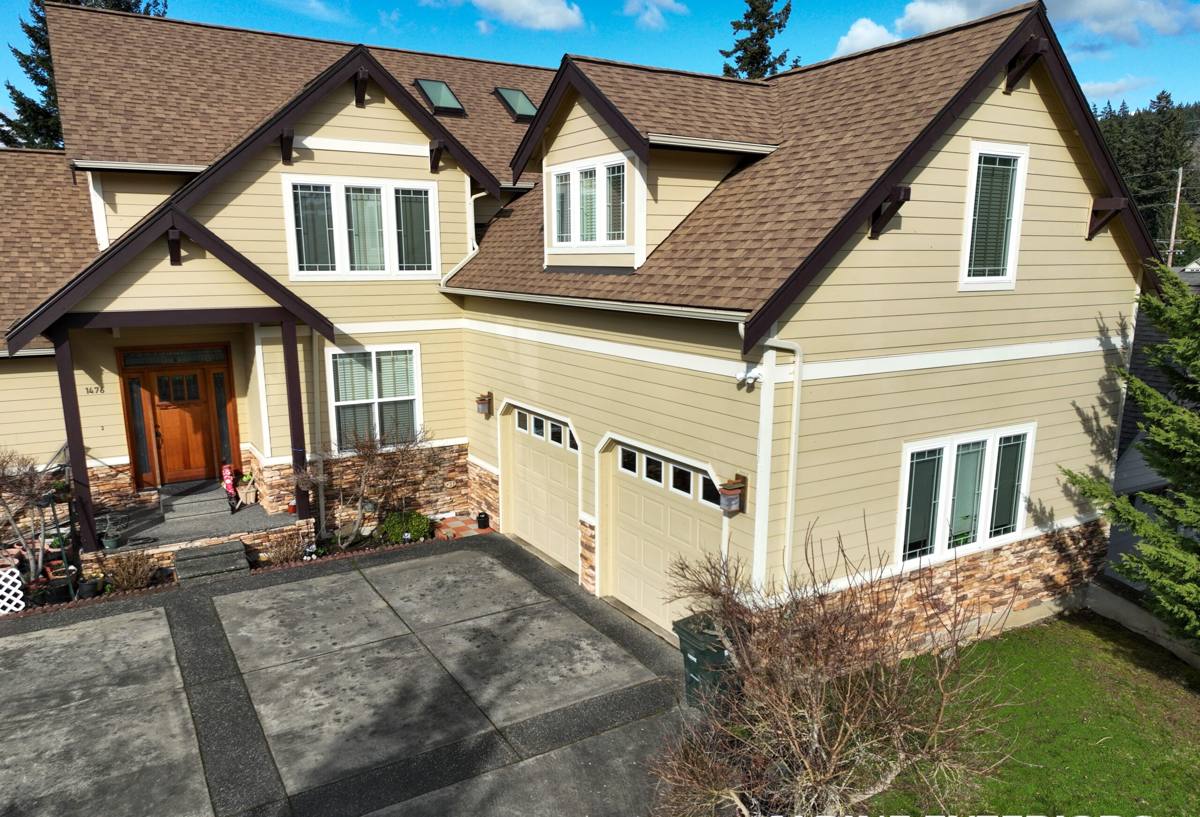
What "Energy-Efficient" Actually Means on the Coast
Inland, energy-efficient window shopping is mostly about keeping conditioned air in and outside temperatures out. On the barrier islands, that's still true, but it's only half the job. A window package that performs here needs to handle heat gain, wind load, and moisture intrusion together — because a window that fails on any one of those three ends up costing you on energy bills anyway, either through a compromised seal letting humid air infiltrate or a frame that's warping under UV and no longer closing tight.
The Three Things We're Actually Solving For
- Solar heat gain: Florida's year-round sun means the wrong glass package turns a west- or south-facing room into a greenhouse, forcing your AC to run harder than it should.
- Wind and pressure resistance: Coastal exposure category and your home's wind zone determine the design pressure rating your windows need to meet — this isn't optional in Manatee County's building requirements for the barrier islands.
- Moisture and salt resistance: Hardware, weep systems, and frame materials all need to shed salt air and wind-driven rain without corroding or trapping water against the frame.
Impact-Rated vs. Standard: What We Recommend and Why
For a Holmes Beach home, we lean toward impact-rated windows as the standard recommendation, not the upsell. Here's the honest trade-off breakdown, because impact glass isn't automatically the right call for every opening or every budget:
| Factor | Impact-Rated Windows | Standard Windows + Separate Protection |
|---|---|---|
| Storm protection | Built into the glass — no separate action needed before a storm | Requires shutters or panels installed correctly and in time |
| Daily UV/noise performance | Laminated glass also cuts UV transmission and outside noise year-round | No daily benefit from separate storm protection |
| Upfront cost | Higher per-window cost | Lower window cost, added cost for shutter system |
| Insurance considerations | Can factor into wind mitigation credits — confirm specifics with your carrier | May still qualify depending on shutter type and coverage |
| Maintenance | Minimal — no separate hardware to inspect or deploy | Shutters/panels need storage, tracks maintained, and someone available to install them |
We install both, and there are legitimate reasons a homeowner chooses standard glass with a separate protection system — budget phasing across a larger project, or panels they already own and maintain. What we won't do is put standard, non-rated glass into an opening that code requires to meet a specific design pressure and tell you it's fine. That's an installation standard we hold regardless of what's cheapest to sell.
Frame Material: What Holds Up Against Salt Air
Frame material matters as much as the glass package here. Vinyl frames with UV-stabilized formulations hold up well and don't corrode, which is a real advantage this close to the water. Aluminum frames are strong for larger openings and impact applications but need a quality finish to resist salt corrosion over time — not all aluminum finishes are built equal. Wood-clad options look great but bring a maintenance burden in a high-humidity, high-salt environment that we're upfront about before you commit to them. We'll talk through what's actually right for your specific openings and sun exposure rather than pushing one material across the whole house.
The Glass Package: NFRC Numbers That Matter Here
Every energy-efficient window has an NFRC label with numbers on it, and in this climate two of them matter more than the rest:
- SHGC (Solar Heat Gain Coefficient): Lower is better for Florida sun — this is the number that determines how much heat the glass lets through, and it's the biggest single factor in your cooling load.
- U-Factor: Measures how well the window resists heat transfer overall — lower is better, but it matters less here than SHGC since our heat problem is mostly solar, not conductive.
- VT (Visible Transmittance): How much natural light gets through — low-E coatings that cut heat gain can also cut light, so this is a balance worth discussing room by room.
Low-E coatings, argon or krypton gas fills between panes, and warm-edge spacers all contribute to these numbers, but the coating and glass tint matched to your home's orientation matters more than chasing the lowest possible U-Factor on the label.
Why the Installation Matters as Much as the Window
We say this to every homeowner because it's the part most people don't think to ask about: a well-rated window installed poorly will underperform a mid-grade window installed correctly. On a barrier island home, installation sensitivity shows up fast — usually as water intrusion around the frame during the next wind-driven rain event, months before anyone notices an energy bill creep up.
What a Correct Installation Actually Involves
- Removing old windows down to the rough opening and inspecting the substrate for hidden moisture damage before anything new goes in
- Flashing the opening correctly so water sheds outward, not into the wall cavity
- Fastening to manufacturer specifications for the window's rated design pressure — not just "screwed in tight"
- Sealing with the correct sealant for both the frame material and Florida's UV and humidity exposure
- Confirming proper shimming so the window operates smoothly and doesn't rack under wind load
- Final inspection of weep holes and drainage paths so the system can actually clear water the way it's designed to
Skip any one of these steps and you get a window that looks fine at handoff but fails within a season or two of coastal exposure — usually right when a storm tests it.
Our Process for a Holmes Beach Project
1. On-Site Assessment
We walk the exterior and each opening, note sun exposure by elevation, check existing frame condition, and confirm what wind zone and design pressure requirements apply to your address.
2. Product and Glass Package Recommendation
We recommend frame material and glass package by opening, not a single spec for the whole house — a west-facing living room window and a shaded north bedroom window don't need identical glass.
3. Permitting
Window replacement on the barrier islands typically requires a permit tied to wind load compliance. We handle that process rather than leaving it to you to navigate with the county.
4. Installation
Removal, flashing, fastening, and sealing done to the standard described above, with attention to protecting your interior and landscaping during the work.
5. Final Walkthrough
Every window operated, checked, and reviewed with you before we call the job done.
Why a Local Bradenton Crew Matters for This Job
A crew that regularly works Holmes Beach and the rest of Manatee County's coastal areas already knows the wind zone requirements, has a working relationship with local permitting, and has seen firsthand how different products actually hold up a few years into salt exposure — not just what a manufacturer's spec sheet claims. That local track record matters more on a barrier island than almost anywhere else in the county, because the gap between a correctly installed coastal window and a standard inland installation shows up fast here, in leaks, corrosion, and storm performance.
We also know that access and staging on the islands can be tighter than a mainland Bradenton job, and we plan around that instead of treating it as a surprise on installation day.
Signs Your Current Windows Are Costing You More Than They Should
| What You Notice | Likely Cause |
|---|---|
| Rooms near west or south windows run hotter than the rest of the house | High SHGC glass or failing low-E coating letting solar heat gain through |
| Condensation or fogging between panes | Failed seal — the insulating gas fill has escaped and the unit needs replacement |
| Hardware sticky, corroded, or hard to operate | Salt air corrosion on frame hardware, common on older aluminum or lower-grade finishes |
| Drafts or water staining below the sill after storms | Degraded seals or an installation that was never properly flashed |
| Noticeably higher cooling bills over the past few summers | Combination of aging seals, degraded coatings, and heat gain through outdated glass |
If you're weighing a window project in Holmes Beach, we're glad to come take a look and walk you through what your home actually needs — no pressure, no generic sales pitch, just an honest assessment from a crew that works this coastline regularly. Reach out for a free estimate using the form below.