 Bradenton Siding
 Deck Replacement in Lakewood Ranch: Built for How This Climate Actually Behaves
Lakewood Ranch sits inland from the coast, but "inland" in Manatee County still means intense year-round UV, sudden downpours, humidity that never really lets up, and hurricane-season winds that can push rain sideways under railings and through fastener holes. A deck out here isn't just outdoor furniture — it's a structure that has to survive sun exposure that fades and dries out wood faster than most homeowners expect, plus the kind of wind-driven rain that finds every gap in a poorly built ledger connection. When a deck starts to show its age — cupped boards, soft spots near the house, rusted fasteners, railings that flex — patching it usually just delays the real problem. Replacement done correctly, with the right materials and connections for this specific climate, is what actually holds up.
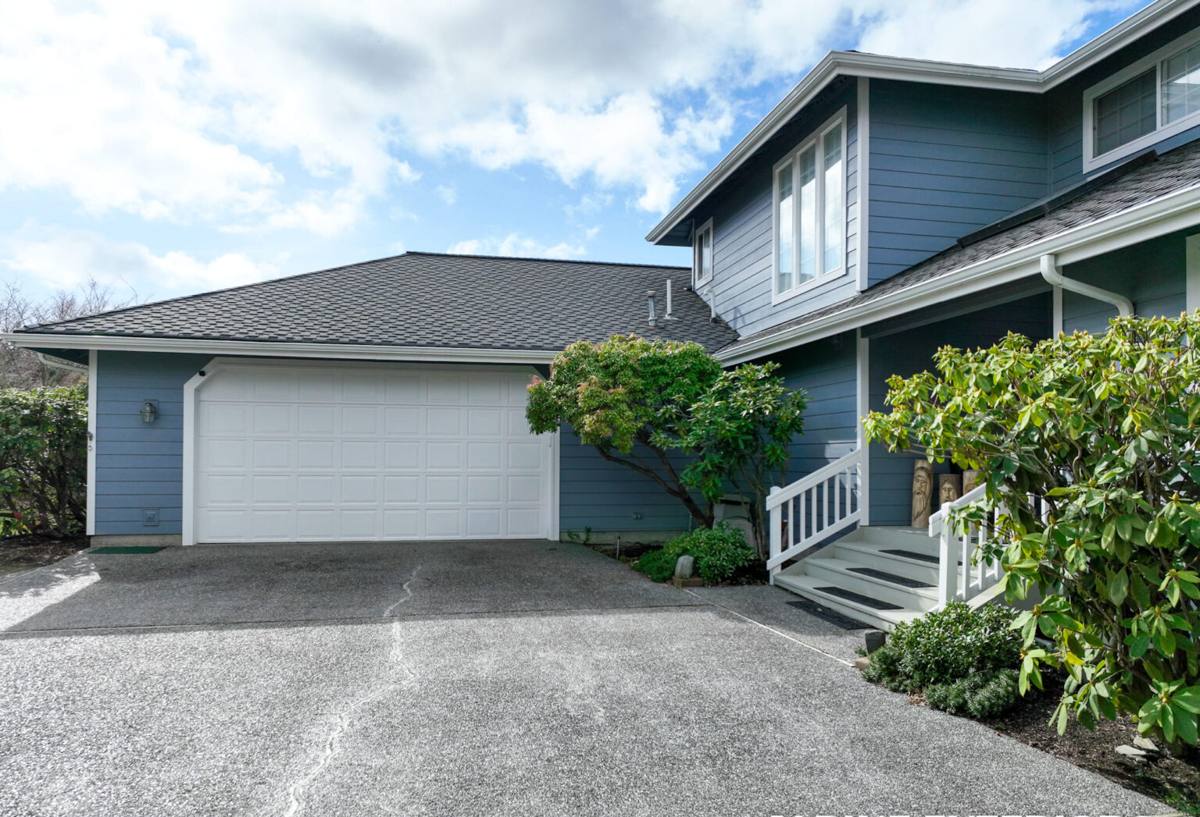
Signs Your Lakewood Ranch Deck Needs Replacing, Not Repairing
Not every deck problem calls for a full tear-out. But there's a point where repair stops making financial sense and starts becoming a pattern of chasing the same failures every year or two. Here's what tells us a deck is past the point of patching:
- Soft, spongy, or discolored decking boards, especially near the house or in shaded areas where moisture lingers longer
- Rust streaks around fasteners or visibly corroded hardware — common on decks built with standard-grade fasteners that weren't rated for coastal-adjacent humidity
- A ledger board (where the deck attaches to the house) that shows gaps, water staining, or gives when you press on it
- Railings or posts that wobble under normal weight, which is a structural issue, not a cosmetic one
- Structural framing (joists, beams) that's visibly cracked, split, or showing rot when probed with a screwdriver
- A deck older than 15-20 years that's never had major structural work, regardless of how the surface looks
If what you're seeing is limited to a few boards or a section of railing, repair can be the right call. If it's the framing, the ledger connection, or the deck is old enough that one problem is likely hiding others, replacement is usually the more honest recommendation — and the one that saves money over a five-year horizon instead of costing more in repeat service calls.
What a Correct Deck Replacement Involves
Full Tear-Out and Structural Inspection
We don't build a new deck surface on top of a compromised frame. A proper replacement starts with removing the old structure down to the ledger and posts, then inspecting what's underneath — soil condition, footing depth, post condition, and how the original structure was attached to the house. In Manatee County's sandy, often high-water-table soil, footing depth and drainage around posts matter more than people assume; undersized or shallow footings are a common weak point we find on older Lakewood Ranch decks.
Ledger Board Attachment and Flashing
The ledger board — where the deck ties into the house — is the single most common point of failure on decks in this climate. Wind-driven rain gets pushed up and under poorly flashed ledger connections, and once moisture gets behind that board, it rots quietly from the inside while the surface still looks fine. Correct flashing, proper lag bolt or through-bolt spacing, and a moisture barrier between the ledger and the house siding aren't optional steps — they're the difference between a deck that lasts and one that fails at the wall in eight years.
Fasteners and Hardware Rated for This Climate
Standard galvanized fasteners corrode faster than most homeowners expect once you're dealing with year-round humidity and the salt air that reaches well inland from Tampa Bay on a steady onshore breeze. We use stainless steel or heavy-duty coated fasteners and structural connectors rated for coastal exposure, even on projects that aren't waterfront. It costs more upfront than standard hardware. It's also the part of the deck you can't see once it's built, and the part most likely to cause a failure if it's undersized.
Wind-Rated Railing and Post Connections
Florida building code has specific requirements for guard rail height, baluster spacing, and load resistance, and those requirements exist because of exactly the wind conditions Manatee County sees during storm season. We build railings and post connections to meet or exceed code, not just to pass a casual glance.
Decking Material Options for Lakewood Ranch Homes
The right material depends on budget, how much upkeep you're willing to do, and how the deck will be used. Here's how the common options actually compare in this climate:
| Material | UV & Heat Behavior | Moisture Resistance | Maintenance | Typical Lifespan |
|---|---|---|---|---|
| Pressure-treated pine | Fades and can check/split under sustained sun without regular sealing | Good if sealed consistently; vulnerable at cut ends and fastener holes | Annual cleaning and re-sealing recommended | 10-15 years with upkeep |
| Composite decking | Holds color better than wood; premium lines resist fading well | Excellent — doesn't rot or absorb water like wood | Occasional washing, no sealing or staining | 25-30 years |
| Tropical hardwoods (e.g. ipe) | Naturally dense and UV-tolerant, but will gray without oiling | Very good natural resistance | Periodic oiling to maintain color; low structural maintenance | 25+ years |
| Cedar/redwood | Moderate — fades faster than hardwood, needs more frequent sealing | Decent, less than hardwood or composite | Regular sealing, especially in full sun exposure | 15-20 years with upkeep |
We don't push one material as universally "best" — we walk homeowners through the honest trade-offs. Composite costs more upfront but removes the sealing and staining cycle almost entirely, which matters if you don't want a recurring maintenance chore in a climate that's hard on wood finishes. Pressure-treated pine costs less initially but needs a homeowner who'll actually keep up with sealing, or it will underperform its lifespan fast in this sun and humidity. Hardwoods split the difference — more upfront cost, less structural maintenance, but they do gray without oil treatments.
Cost Factors for a Lakewood Ranch Deck Replacement
Every deck project prices out differently based on size, height off grade, material choice, and how much structural work is needed underneath. Broadly, homeowners should expect a range that scales with square footage and material — a basic pressure-treated deck sits at the lower end, composite and hardwood decks cost more per square foot, and multi-level decks or those requiring significant footing work add to labor. Rather than quote a number that won't fit your specific project, we walk the site, look at the existing structure, and give a written estimate based on what your deck actually needs — not a generic square-footage formula.
What Actually Drives the Price
- Total square footage and number of levels
- Decking material selected (pressure-treated, composite, or hardwood)
- Height off the ground, which affects railing and stair requirements
- Condition of existing footings and whether they need to be replaced or added to
- Ledger board and flashing work required at the house connection
- Permit requirements, which apply to most deck replacements in Manatee County
Our Process for Lakewood Ranch Deck Projects
We keep the process straightforward because homeowners deserve to know what's happening at each stage, not just when the crew shows up and when the invoice arrives.
- On-site assessment. We inspect the existing deck, the ledger connection, footings, and framing to determine what's actually failing and whether replacement or targeted repair makes sense.
- Written estimate and material walkthrough. We go over material options honestly, including what each one costs to maintain over time, not just to install.
- Permitting. Deck replacements typically require a permit in Manatee County — we handle that process so it's not something you have to navigate on your own.
- Tear-out and structural rebuild. Old decking, railing, and any compromised framing come out; footings, posts, and the ledger connection get rebuilt to current code.
- Decking, railing, and finish work. Surface material and railings go in per the plan, with fasteners and hardware rated for this climate throughout.
- Final walkthrough. We go over the finished deck with you before we consider the job done.
Why Hiring a Crew That Already Works in Lakewood Ranch Matters
Deck construction here isn't the same as deck construction in a drier, milder climate, and it isn't identical to building right on the immediate coastline either. A crew that regularly works Manatee County knows the wind-load requirements local permitting actually enforces, understands how sandy soil and high water tables affect footing decisions, and has already seen which fastener grades hold up and which corrode early in this humidity. That local pattern recognition is what prevents a deck from looking fine for two years and then failing at the ledger board or the footings in year five. It also means faster, more accurate permitting, because we're not learning Manatee County's requirements for the first time on your project.
Maintaining Your New Deck in This Climate
Whatever material you choose, a few habits extend the life of a Lakewood Ranch deck significantly:
- Rinse off pollen, dirt, and salt residue every few weeks, especially after wind events
- Check railings and stair connections for looseness once or twice a year
- Keep gutters and downspouts near the deck clear so runoff isn't dumping extra water onto the structure
- For wood decks, stick to the sealing schedule — skipping a year in this sun does more damage than skipping a year somewhere milder
- After a significant storm, do a quick visual check of fasteners, railings, and the ledger area for anything that shifted
If your deck is showing its age, or you're just not sure whether it's a repair or a replacement situation, we're happy to take a look and give you a straight answer. Fill out the form below for a free, no-pressure estimate.