 Bradenton Siding
 Roofing on a Barrier Island Is a Different Job
Longboat Key sits out on the Gulf, exposed on both sides to open water, which means the roof over your head is working harder than a roof a few miles inland in Bradenton or elsewhere in Manatee County. Hurricane-force wind gusts, near-constant UV exposure, wind-driven rain that gets pushed sideways under poorly sealed edges, and salt air that accelerates corrosion on fasteners and flashing all combine to shorten the life of a roof that wasn't built or installed with those conditions in mind. A roof that would last 25 years in a landlocked climate can fail early on Longboat Key if the installation cut corners on underlayment, fastening, or flashing detail.
That's the real difference between a "new roof" and a new roof that's actually right for this location. The material matters, but so does every detail underneath it that you never see once the job is done.
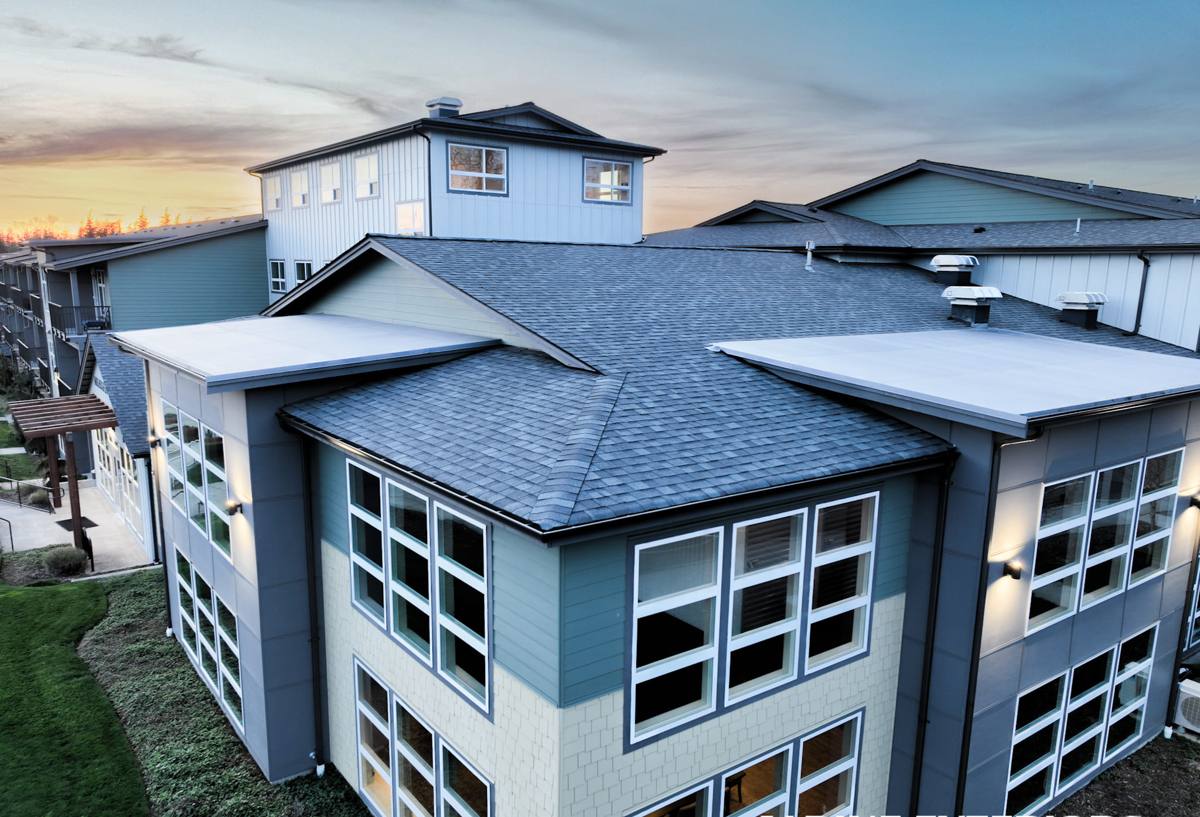
Signs a Longboat Key Roof Needs Replacement, Not Another Repair
Salt air and sun exposure age roofing materials from the inside out, so damage isn't always obvious from the ground. Homeowners often wait until there's an active leak, but by then the underlayment and decking may already be compromised. Watch for:
- Granule loss on shingles (shows up as bare, shiny patches or granules collecting in gutters)
- Curling, cracking, or lifted shingle edges from repeated UV and wind cycling
- Rusted or corroded flashing around chimneys, vents, and roof-to-wall transitions
- Soft spots or sagging in the roof deck when walked on
- Interior ceiling stains, especially after wind-driven rain events rather than straight-down rain
- A roof over 15-20 years old that has never had underlayment or flashing inspected
If a roof is showing two or more of these signs, patch repairs are usually a short-term fix. On an island property, we'd rather tell you honestly that it's time for a full replacement than have you pay for a repair that won't hold through the next storm season.
Materials That Actually Hold Up Out Here
Every roofing material has trade-offs. What changes on Longboat Key is how much weight those trade-offs carry once salt air and sustained wind exposure enter the picture.
| Material | Wind & Storm Performance | Salt Air Considerations | Typical Lifespan Here |
|---|---|---|---|
| Architectural asphalt shingle (high wind-rated) | Good when properly nailed and sealed; rated products handle hurricane-force gusts well | Fiberglass mat resists moisture wicking better than older organic-mat shingles | 15-25 years |
| Standing seam metal | Excellent uplift resistance with concealed fasteners | Requires marine-grade or coated fasteners and trim to resist corrosion | 30-50 years |
| Concrete or clay tile | Very good when properly fastened; heavy mass resists uplift | Performs well but underlayment and flashing failure is the real weak point over time | 30-50 years (tile itself); underlayment often needs earlier attention |
| TPO / flat roof membrane (for low-slope sections) | Good when seams and edges are properly detailed | UV-stable membranes hold up well; edge and penetration detailing is critical | 15-20 years |
We'll walk you through which option fits your home's structure, HOA or condo association requirements, and budget honestly — including where a cheaper material will cost you more in maintenance over time.
Why We're Selective About Certain Products
Some lower-cost underlayments and fastener systems simply aren't built for sustained salt exposure — not because they're bad products everywhere, but because they weren't engineered for this environment. Our standard is to use materials rated for coastal and high-wind installation on every Longboat Key job, even when a lighter-duty option would technically meet code. It costs more upfront and saves you a premature roof replacement.
What a Correctly Installed Roof Actually Involves
The shingles, tiles, or panels are the part everyone sees. What determines whether a roof survives a decade of Gulf storms is almost entirely underneath that visible layer.
Roof Deck and Structure
Before anything new goes down, the deck gets inspected for soft, rotted, or delaminated sections. Any compromised decking gets replaced — installing new roofing over a weak deck is one of the most common shortcuts that leads to early failure.
Underlayment
On coastal homes we install a sealed, self-adhering underlayment system rather than standard felt. This creates a secondary water barrier that keeps the home dry even if the outer roofing layer is damaged in a storm — critical when wind-driven rain is being pushed sideways and upward under roof edges.
Flashing and Penetrations
Every chimney, vent pipe, skylight, and roof-to-wall junction is a potential entry point for water. Flashing needs to be properly lapped, sealed, and — on a salt-air property — made from corrosion-resistant materials, not standard galvanized steel that will rust within a few years.
Fastening for Wind Uplift
Nailing patterns and fastener types matter more here than almost anywhere else in the state. We follow current Florida Building Code wind-resistance requirements for coastal construction, which specify fastener count, placement, and pull-through resistance well beyond what's used in lower wind zones.
Ventilation
Proper attic ventilation reduces heat buildup and moisture accumulation, both of which shorten a roof's life when combined with year-round Florida sun. We check and correct ventilation as part of every installation, not as an afterthought.
Our Installation Process
- On-site inspection and estimate — we assess the existing roof, deck condition, and any storm or age-related damage, and give you a straightforward written estimate.
- Material selection — we go over options suited to your home, any HOA or condo association guidelines, and your budget.
- Permitting — we handle the permit process with Manatee County (or the relevant jurisdiction) so the job is inspected and documented correctly.
- Tear-off and deck inspection — old roofing is removed and the deck is inspected before anything new is installed.
- Underlayment, flashing, and installation — installed to coastal wind and moisture standards, not just minimum code.
- Final inspection and walkthrough — we confirm the work with you and make sure everything meets both code and our own standard before we consider the job finished.
Permitting and Local Requirements on Longboat Key
Roofing work on Longboat Key typically involves both building permit approval and, depending on the property, condo or homeowners' association review — many buildings and communities on the island have specific requirements around roofing materials, colors, or profiles to maintain a consistent look. Coastal properties may also fall under additional review related to their proximity to the water. Navigating this correctly the first time avoids delays, and it's a big part of why working with a crew that's done roofing permits in this area before makes the process smoother.
What Drives the Cost of a New Roof Here
| Factor | Why It Matters |
|---|---|
| Roof size and pitch | More surface area and steeper slopes increase labor and material needs |
| Material choice | Metal and tile cost more upfront than shingle but last significantly longer |
| Deck condition | Rotted or damaged decking found during tear-off adds to the scope |
| Underlayment and flashing upgrades | Coastal-grade materials cost more than standard-grade but reduce long-term risk |
| Roof complexity | Multiple valleys, dormers, chimneys, and penetrations add labor and detail work |
| Access | Tight lots, condo buildings, or limited staging space can affect labor time |
We give honest, itemized estimates so you know what you're paying for and why — not a vague lump sum.
Caring for a New Roof in a Salt-Air Environment
A well-installed roof still benefits from regular attention out here. A few habits go a long way:
- Rinse the roof surface periodically to reduce salt buildup, especially on metal roofing
- Keep gutters and downspouts clear so water isn't sitting against roof edges
- Trim back overhanging tree limbs that create debris buildup and shade for moss or algae growth
- Schedule a professional inspection after any major storm, even if there's no visible damage
- Have flashing and sealant checked every few years, since these fail well before the roofing material itself typically does
Why Local Experience on Longboat Key Matters
A roofing crew that mostly works inland jobs isn't necessarily used to building for barrier-island exposure, coastal permitting nuances, or the HOA and condo review processes common on Longboat Key. Getting those details right the first time — corrosion-resistant fasteners, sealed underlayment, correct flashing, proper permit documentation — is the difference between a roof that quietly does its job for decades and one that needs attention again in a few years. We work throughout Bradenton and Manatee County, and Longboat Key's coastal conditions are part of what we plan for on every job here, not an exception we're figuring out as we go.
If your roof is showing its age, was damaged in a recent storm, or you're simply due for a replacement, we're happy to take a look and give you a straightforward, no-pressure estimate. Fill out the form below and we'll schedule a time to come out.