 Bradenton Siding
 Siding That Has to Work Harder in Mill Creek
Mill Creek sits inland enough from the coast to feel like it's sheltered, but Manatee County weather doesn't respect that distinction. Homes here still take a beating from the same forces that hit anywhere else in the Bradenton area: long stretches of intense UV that bake exterior surfaces nine months a year, sudden downpours that drive rain sideways into wall assemblies, and the kind of humidity that never really lets a house dry out between storms. Add in the wind loads that come with any tropical system moving through the Gulf coast, and you've got a climate that is genuinely tough on exterior materials — even ones marketed as "low maintenance."
We install fiber cement siding exclusively, and specifically James Hardie fiber cement, on homes throughout the Bradenton area including Mill Creek. This page covers what that means for a house in this specific part of Manatee County — not generic siding advice, but what we've learned installing and servicing this product in this climate.
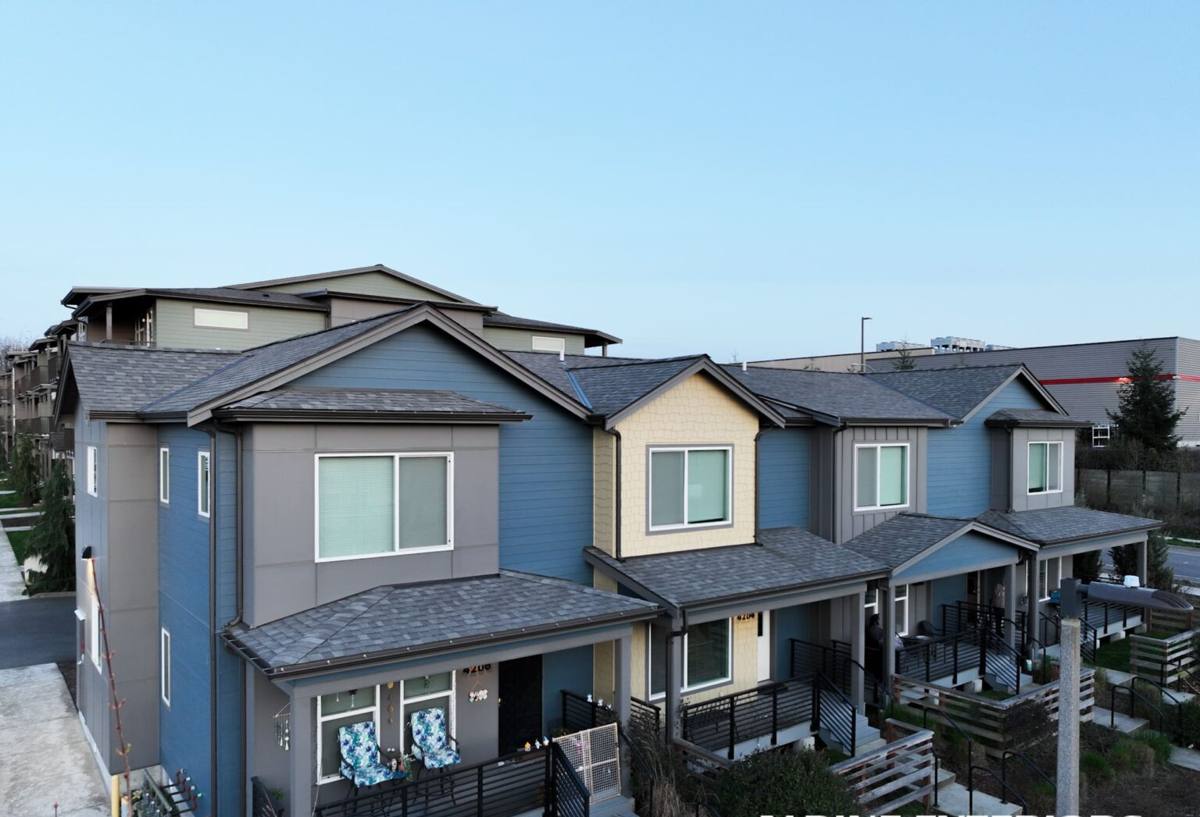
What Mill Creek Homes Actually Need From Their Siding
Every siding material eventually fails one of three ways in Florida: it absorbs moisture and rots or delaminates, it degrades under UV and starts chalking or fading unevenly, or it isn't fastened well enough to survive wind events and starts working loose at the edges. A siding job that's going to last in Mill Creek has to answer all three of those problems at once, not just look good on install day.
Moisture Management
Fiber cement is dimensionally stable and doesn't swell, warp, or rot the way wood-based products can when they take on moisture. That matters here because Manatee County's rain isn't gentle — it comes in bursts, often wind-driven, and it finds every gap in flashing, caulking, or house wrap that a lesser install leaves behind. The siding material itself is only half the equation; the water management behind it is the other half.
UV Stability
Florida sun is relentless on paint. Field-applied paint on wood or engineered wood siding tends to fade unevenly and chalk within a handful of years, which is one of the ongoing maintenance costs homeowners underestimate. James Hardie's ColorPlus finish is baked on at the factory under controlled conditions, which gives it noticeably better color retention than siding painted on-site, and it comes with its own finish warranty separate from the substrate warranty.
Wind Performance
Correct fastening pattern and nailing schedule matter more in this region than almost anywhere else in the country. Fiber cement siding installed to manufacturer spec, with the right fastener spacing and edge clearance, holds up to wind loads that loosen improperly installed siding of any material. This is an installation issue as much as a product issue — it's why we treat the install process itself as part of what we're selling, not an afterthought.
Why We Only Install James Hardie
We get asked fairly often why we don't offer vinyl, LP SmartSide, or other fiber cement brands as cheaper alternatives. The honest answer is that we've made a standard for what goes on a house with our name attached to the work, and for this climate specifically, James Hardie's HZ5 product line (engineered for humid, high-moisture climates like Florida's) checks boxes the alternatives don't:
- Non-combustible material — a real consideration for insurance and peace of mind, not a marketing line
- Factory-applied ColorPlus finish with better long-term color retention than field-painted alternatives
- Engineered specifically for high-humidity, high-moisture climates rather than a one-size-fits-all national product
- A transferable warranty structure that holds weight if you sell the home before the siding's service life is up
- Decades of track record in Florida installations, so we're not guessing how it performs here
Vinyl siding is inexpensive and low-maintenance in mild climates, but it softens and can deform in sustained high heat, and it's more vulnerable to cracking under wind-driven debris impact than fiber cement. LP SmartSide and other engineered wood products use a wood-strand core that, once the outer coating is breached — from a hairline crack, a poorly sealed cut end, or hail damage — can wick moisture and swell in exactly the humid conditions Mill Creek gets most of the year. Those aren't reasons those products are bad everywhere; they're reasons we don't think they're the right call for houses that sit in this specific climate under our name.
What a Correct Installation Involves
The material is only as good as the install behind it. For a Mill Creek project, our process includes:
- Tear-off and substrate inspection — removing existing siding and checking sheathing for hidden moisture damage or rot before anything new goes up
- House wrap and flashing correction — replacing or repairing the weather-resistive barrier and flashing details around windows, doors, and penetrations, since this is where most water intrusion actually originates
- Manufacturer-spec fastening — following James Hardie's nailing schedule and clearance requirements exactly, not a generalized "siding" installation pattern
- Proper clearances — maintaining the minimum gap between siding and grade, roofing, and decking that Hardie specifies to prevent wicking moisture from below
- Trim and joint sealing — using compatible sealants and trim details at butt joints and corners, which is where a rushed job shows up first
- Final inspection walk-through — checking caulk lines, paint touch-up at cut edges, and fastener seating before calling the job done
Skipping or rushing any one of these steps is how a Hardie installation ends up with the same problems people blame on cheaper materials. The product has a strong track record when installed correctly — most of the failures we get called out to inspect trace back to installation shortcuts, not the siding itself.
Comparing Siding Options for a Mill Creek Home
| Factor | James Hardie Fiber Cement | Vinyl | Engineered Wood (LP SmartSide) |
|---|---|---|---|
| Moisture resistance | Excellent — cement-based, doesn't rot | Good — but seams and panels can trap moisture behind them | Moderate — vulnerable once outer coating is compromised |
| UV/color stability | Strong with factory ColorPlus finish | Fades over time, can't be easily repainted | Depends on field-applied paint quality and maintenance |
| Wind/impact resistance | High when installed to spec | Lower — can crack or deform under debris impact | Moderate |
| Fire resistance | Non-combustible | Combustible | Combustible |
| Typical maintenance | Occasional caulk/paint touch-up | Low, but limited repair options | Regular inspection for coating breaches |
This isn't meant to declare every alternative unusable — plenty of homes around the country wear vinyl or engineered wood without issue. It's meant to explain the trade-offs specific to a climate with Manatee County's combination of humidity, UV, and storm exposure, which is the lens we use when we tell a homeowner what we recommend.
What Drives Cost on a Mill Creek Project
We don't post fake pricing because every house is different, but the real cost drivers on a fiber cement project in this area are consistent:
| Cost Factor | Why It Matters Here |
|---|---|
| Home size and wall complexity | More corners, gables, and dormers mean more cutting, trim work, and labor hours |
| Existing substrate condition | Hidden moisture damage found during tear-off adds repair scope before new siding goes up |
| Siding profile (lap, shake, panel) | Different Hardie profiles have different material and labor costs |
| Trim and accent work | Custom trim details around windows and rooflines add time and material |
| Access and site conditions | Lot layout, landscaping, and structure height affect scaffolding and staging needs |
A proper estimate accounts for what we actually find once we're inspecting the house, not a generic per-square-foot number pulled off a website.
Signs Your Mill Creek Home Needs Siding Attention
- Visible cracking, warping, or soft spots when pressed on existing siding
- Paint that's peeling, bubbling, or chalking heavily to the touch
- Gaps opening up at seams, corners, or trim boards
- Discoloration or staining that suggests moisture is getting behind the siding
- Rising energy bills that could point to compromised insulation behind aging siding
- Visible fastener pops or siding that's come loose after a storm
None of these mean an emergency by themselves, but they're worth a professional look before the next storm season adds stress to an already compromised wall system.
Why Hiring Local Experience Matters
A crew that already works the Bradenton area knows how Manatee County permitting and wind-load requirements apply to exterior work, understands how local drainage patterns and lot grading affect where water pools against a house, and has already seen how this climate treats different products over years, not just on install day. That local track record is worth more than a lower bid from a crew unfamiliar with what Gulf Coast humidity and storm exposure actually do to a building envelope over time.
We stand behind fiber cement because we've watched it perform in exactly these conditions, and we install it the same way every time — to the manufacturer's spec, not a shortcut version of it.
If you're weighing a siding project for your Mill Creek home, we're happy to take a look and give you a straightforward, no-pressure estimate — just fill out the form below.