 Bradenton Siding
 Mill Creek's Climate Is Harder on Siding Than Most Homeowners Realize
Mill Creek sits in Manatee County, close enough to the Gulf that salt-laden air is a constant presence even on days that feel perfectly calm. Add in Bradenton's intense, nearly year-round UV exposure, the wind-driven rain that comes with every strong summer storm, and the occasional hurricane-force gust, and you have a combination that wears down exterior materials faster than almost anywhere else in the country. Siding here isn't just a cosmetic layer — it's the first line of defense against moisture intrusion, wood rot, and structural damage behind the wall.
Many siding products are engineered for a national market and simply aren't built with this specific combination of stressors in mind. That's a big part of why we install exclusively James Hardie fiber cement siding on Mill Creek homes: it's one of the few products with a siding line specifically engineered for high-humidity, storm-prone climates like ours.
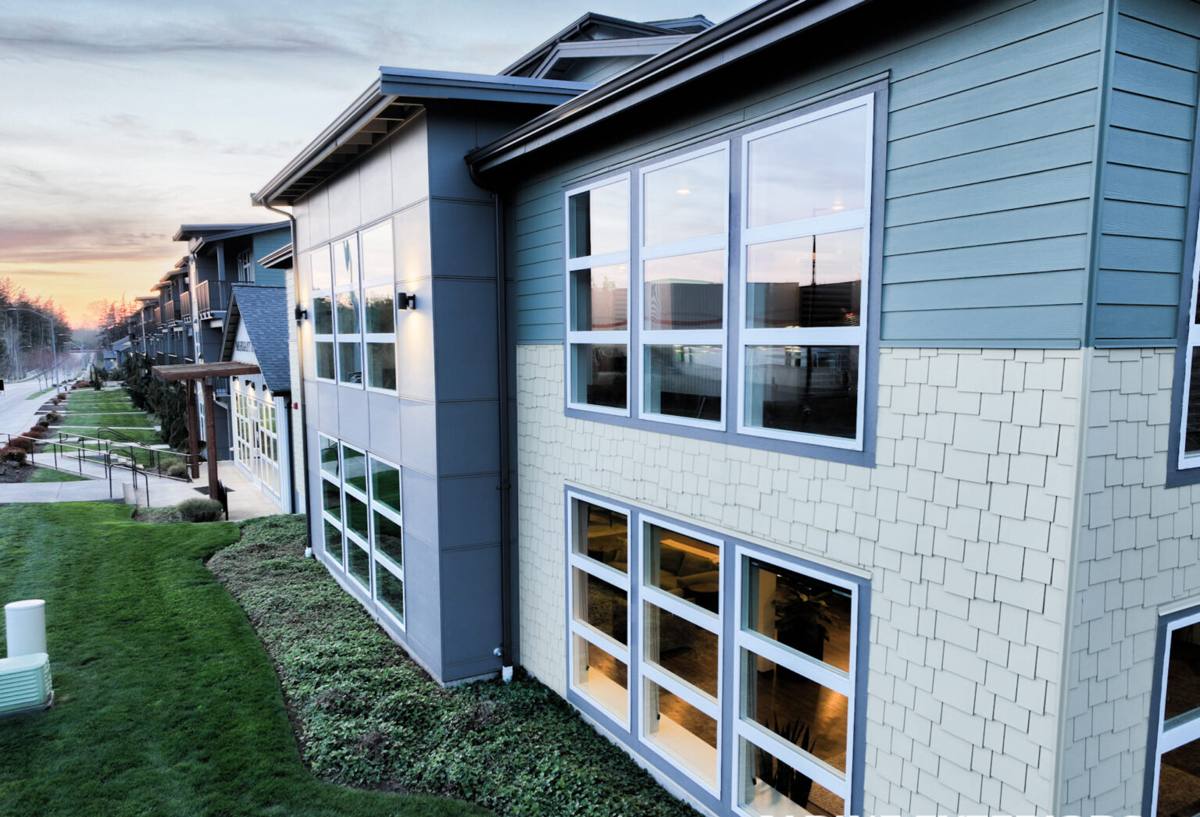
What Mill Creek Homes Actually Need From Their Siding
Before talking about products, it helps to understand what "correct" siding performance looks like in this specific area. A well-installed, well-chosen siding system for a Mill Creek home needs to do four things at once:
- Resist moisture intrusion during wind-driven rain, when water is pushed sideways and upward against the wall rather than simply running down it
- Hold its color and finish under constant, intense UV exposure without excessive fading or chalking
- Stay dimensionally stable through Florida's daily humidity swings, which cause many materials to expand, contract, and eventually warp or crack
- Meet wind load and impact requirements appropriate for a coastal Manatee County wind zone
Any siding job that doesn't account for all four of these is a job that will likely need attention again well ahead of schedule — often in the form of buckled panels, cracked caulk lines, or moisture damage discovered only after it has already reached the sheathing.
Why We Only Install James Hardie — Not Vinyl, LP, or Other Fiber Cement Brands
We made a deliberate decision as a company to install one product system: James Hardie fiber cement siding. That's not a marketing preference — it's a standard we hold because of what we've seen play out on real homes in this climate.
Vinyl siding is affordable and easy to install, but it's a petroleum-based product that softens and can warp under sustained direct sun, and it has real limits in high-wind events — panels can crack, bow, or blow off in storms that a properly rated fiber cement product shrugs off. LP SmartSide and other wood-strand composite products use an engineered wood core, which means their long-term performance depends heavily on an unbroken paint or coating layer; any breach lets moisture reach the wood substrate, and Florida's humidity gives that moisture nowhere to go. Other fiber cement brands exist, but they don't all offer the same tested track record, factory finish warranty, or region-specific product engineering that James Hardie does.
James Hardie fiber cement siding is non-combustible, doesn't rely on a petroleum base that softens in heat, and is factory-finished with ColorPlus technology — a baked-on finish that resists fading and chipping far better than field-applied paint. For a Mill Creek home taking on constant sun and salt air, that combination matters more than almost anywhere else.
HZ5 Engineering: Built for This Exact Climate
James Hardie manufactures different formulations of its siding for different climate zones — a detail most homeowners never hear about. Homes in our part of Florida call for the HZ5 product line, engineered specifically for high-humidity, high-moisture regions. It's formulated to resist moisture-related damage and cracking in a way that a one-size-fits-all siding product simply isn't. Installing the wrong regional formulation, or installing a national-generic product instead, is one of the most common mistakes we see corrected on Manatee County re-sides.
What a Correct James Hardie Installation Involves
James Hardie's product is only as good as the installation behind it. A huge share of the siding failures we get called out to inspect trace back not to the material, but to shortcuts taken during installation. On a proper Mill Creek installation, the crew should be handling all of the following:
Moisture Management Behind the Siding
Correct installation starts with a weather-resistant barrier applied to the sheathing, followed by properly flashed windows, doors, and any wall penetrations — the exact areas where wind-driven rain finds its way in. Panels are installed with the manufacturer's specified clearances from rooflines, decks, and grade so that water has somewhere to go instead of wicking up into the bottom edge of the siding.
Fastening and Wind Resistance
Fasteners have to be placed at the correct spacing and depth — over-driven or under-driven nails are a leading cause of premature panel failure and are one of the first things we check when evaluating an existing installation. For a coastal wind zone, fastening patterns need to match the wind load requirements for the home's exposure, not just a generic minimum.
Joints, Caulking, and Trim
Butt joints, corners, and trim transitions are where most visible failures start. These areas need to be sealed with a high-quality, paintable sealant rated for exterior use and installed according to Hardie's fastening and gapping specifications — not just caulked over gaps that are too wide to seal properly long-term.
Painting and Touch-Up
With ColorPlus finished panels, factory-finished edges should be used wherever possible, with field touch-up limited to cut ends using Hardie's matched touch-up products — not a mismatched can of exterior paint that will visibly weather differently within a year or two.
Our Process for Mill Creek Siding Projects
Every home in Mill Creek is a little different — some have wood-frame construction original to the neighborhood, others have been added onto or previously re-sided. Our process is built to account for that rather than treat every job as identical.
- On-site inspection: We walk the full exterior, checking for existing moisture damage, evaluating the current substrate, and noting problem areas like window flashing, roofline transitions, and low-clearance sections.
- Product and color selection: We help you choose the right HardiePlank, HardiePanel, or HardieShingle profile and ColorPlus color for your home's style, factoring in HOA guidelines common in established Manatee County communities.
- Substrate prep and repair: Any rotted sheathing or framing found during removal gets repaired before new siding goes up — covering damage instead of fixing it just guarantees a repeat problem.
- Weather barrier and flashing installation: This is the step that determines how the home performs in wind-driven rain for the next several decades, and it doesn't get rushed.
- Siding installation to manufacturer spec: Correct fastening, clearances, and joint treatment throughout, not just on the visible front elevation.
- Final walkthrough: We review the completed work with you directly before considering the job done.
Problems We Commonly Find on Existing Mill Creek Homes
When we're called out to inspect siding that's failing early, a handful of issues show up again and again in this area:
| Issue | Typical Cause | Why It Matters Here |
|---|---|---|
| Buckled or warped panels | Improper clearance or fastening not accounting for expansion | Humidity swings make this worse than in drier climates |
| Moisture damage at trim and corners | Inadequate flashing or caulking at joints | Wind-driven rain pushes water into any small gap |
| Fading, chalky finish | Field-applied paint instead of factory ColorPlus finish | Year-round intense UV accelerates finish breakdown |
| Corrosion at fasteners and trim | Non-corrosion-resistant fasteners or hardware | Salt air accelerates metal corrosion near the coast |
| Cracked panels near grade | Siding installed too close to the ground or hardscape | Traps moisture against the bottom edge |
Cost Factors for a Mill Creek Hardie Siding Project
Every home is different, so we don't quote broad numbers without seeing the property, but the main factors that drive cost on a Mill Creek project are worth understanding upfront:
- Home size and wall complexity: More corners, gables, and architectural detail mean more cutting, trim work, and labor time.
- Substrate condition: Hidden rot or moisture damage discovered during tear-off adds repair scope that can't be fully priced before removal begins.
- Siding profile choice: HardiePlank lap siding, HardiePanel vertical siding, and HardieShingle staggered-edge panels carry different material and labor costs.
- Trim and accessory scope: Fascia, soffit, and trim replacement alongside the siding itself adds to total project cost but improves the finished result and moisture protection.
- Access and site conditions: Lot layout, landscaping, and building height all affect labor time.
Maintenance: What Keeps Hardie Siding Performing in This Climate
One reason we recommend James Hardie is that it asks less of homeowners over time than most alternatives, but it isn't entirely maintenance-free. A simple annual routine keeps a Mill Creek installation performing as designed:
- Rinse the exterior periodically to remove salt residue and airborne grime before it builds up
- Inspect caulking at joints, corners, and trim once a year and re-seal any cracked or shrunken sections promptly
- Check for any panels sitting too close to mulch beds, hardscape, or standing water after landscaping changes
- Address any paint touch-up needs quickly using Hardie-matched products rather than letting bare cut edges sit exposed
- Have the exterior inspected after any major storm event for dislodged panels or damaged flashing
Why Hiring a Crew That Already Works in Mill Creek Matters
Manatee County's permitting requirements, coastal wind zone standards, and the realities of working around established landscaping and HOA expectations aren't things every contractor handles the same way. A crew that regularly works in and around Mill Creek understands the local permitting process, has already solved the common installation challenges specific to this area's housing stock, and knows what "correct" looks like for homes facing this exact combination of sun, wind, and salt exposure. That local familiarity shows up in fewer surprises during the project and a better-performing result once it's finished.
It also means accountability. A contractor who plans to keep working in your neighborhood for years has every incentive to get the details right the first time, rather than treating any single job as a one-off.
Ready to Talk About Your Mill Creek Home?
If your current siding is showing wear, or you're planning ahead for a replacement, we're happy to walk your property, answer questions honestly, and give you a clear picture of what correct James Hardie installation looks like for your specific home. Reach out for a free, no-pressure estimate using the form below.