 Bradenton Siding
 Building New in Cortez Means Building for the Water
Cortez sits close enough to open water that every new home built there has to answer to it — wind off the bay, salt carried on the air, sun that doesn't let up for most of the year, and rain that comes in sideways during the summer storm season. When you're framing a new home instead of retrofitting an old one, you get one real chance to get the windows right before drywall, trim, and finishes go in around them. There's no do-over without tearing into finished walls.
New-construction windows aren't the same product installed the same way as a replacement window dropped into an existing opening. They're set into a rough opening before exterior finishes are on, flashed and integrated with the house wrap or weather-resistive barrier, and tied into the structural framing itself. Get that sequence wrong on a Manatee County coastal build and you're not looking at a cosmetic problem — you're looking at water intrusion behind the walls, mold, and rot that shows up years later, often after the builder's warranty has expired.
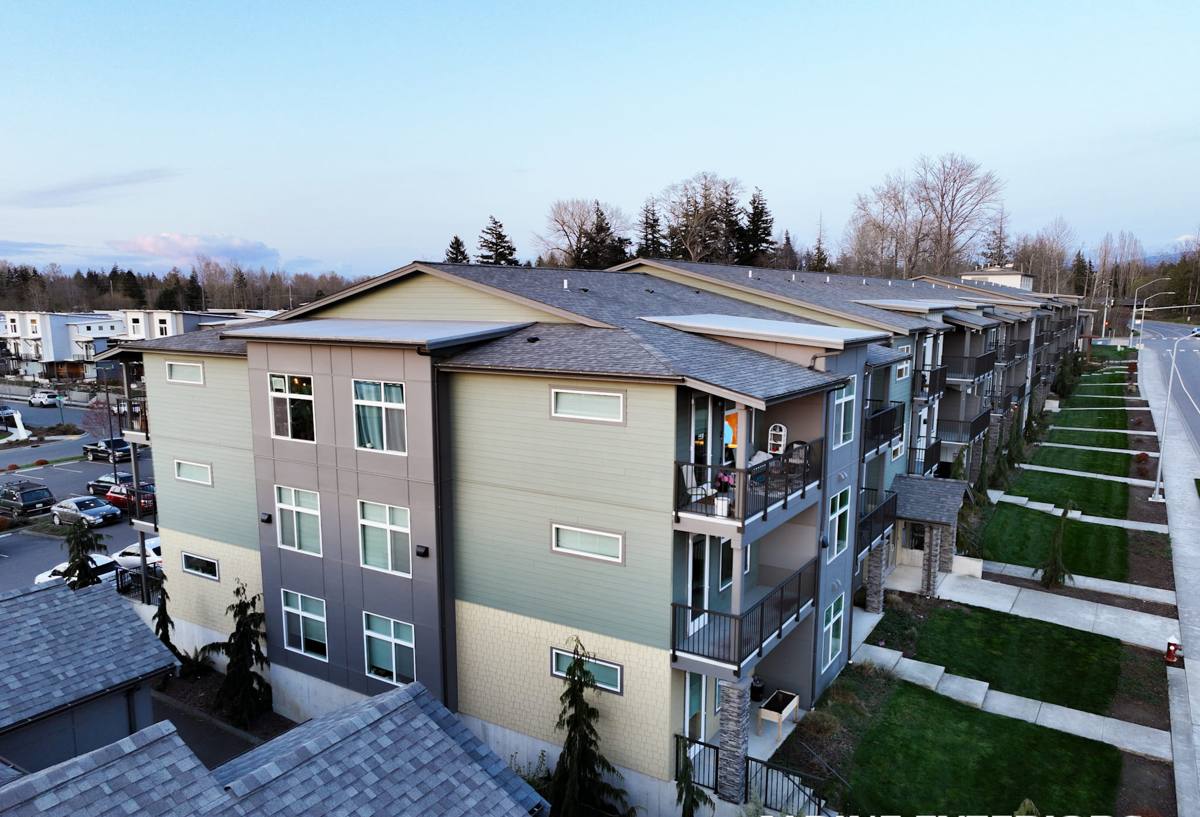
Why New Construction Is a Different Job Than Replacement
On a replacement job, the window has to fit an opening that already exists, and a lot of the waterproofing decisions were made years ago by someone else. New construction is the opposite — everything about the window opening is still being decided, which is both an opportunity and a responsibility.
- Flashing sequence: The window has to be integrated into the drainage plane in the correct order — sill pan, side flashing, head flashing, house wrap — so water is always directed out and never trapped.
- Nailing fin vs. block frame: Coastal Florida homes use both flanged (nail fin) and non-flanged block-frame windows depending on wall construction (wood frame vs. CBS/masonry). The attachment method has to match the wall assembly, not just whatever's on the truck.
- Rough opening tolerances: New construction gives us control over exact rough opening sizing, which matters for proper shimming, anchoring, and sealant joint width — all things that affect long-term wind and water performance.
- Timing with other trades: Windows go in at a specific point in the build sequence, coordinated with framers, stucco or siding crews, and often the roofer. Miss the window (no pun intended) and you delay the whole schedule.
What "Getting It Right" Actually Looks Like
A correctly installed new-construction window in a coastal Manatee County home should have a continuous drainage path so any water that gets past the exterior finish sheds down and out, not into the wall cavity. It should be anchored per the manufacturer's tested installation instructions — not a generic method, but the specific one that matches that window's design pressure rating. And it should be sealed with compatible sealants at every joint, because mixing incompatible sealant chemistries is a common, avoidable cause of early failure.
Wind Load, Impact Ratings, and What Cortez Actually Requires
Manatee County falls under the Florida Building Code's wind-borne debris and high-velocity wind provisions, and homes near the water in and around Cortez typically sit in a wind zone that requires windows tested and labeled for the specific design pressure of that structure — not just "hurricane windows" as a generic label. Every window we install on a new build is specified to the actual design pressure requirements from the engineering or plans for that address, not a one-size-fits-all rating.
There are two accepted paths to code compliance in wind-borne debris regions: impact-rated glass that meets large and small missile impact testing, or non-impact windows paired with code-compliant shutters on every opening. On new construction, most homeowners and builders in this area choose impact-rated glass outright, because it removes the need to deploy anything before a storm and it holds up in daily use too — better sound dampening, better UV control, and one less system to maintain over the life of the house.
| Consideration | Impact-Rated Glass | Non-Impact + Shutters |
|---|---|---|
| Storm prep required | None — always protected | Shutters must be installed before each storm |
| Upfront cost | Higher window cost | Lower window cost, added shutter cost |
| Daily UV/sound benefit | Yes — laminated glass all year | No added benefit day to day |
| Long-term maintenance | Standard window upkeep | Shutter hardware, tracks, storage |
| Insurance consideration | Often favorable for wind mitigation credits | Depends on shutter type and rating |
Material and Frame Choices for Salt Air and Sun
Not every window frame material holds up the same way this close to Sarasota Bay and the Gulf. Salt air accelerates corrosion on lower-grade hardware and fasteners, and constant UV exposure breaks down some finishes and seals faster than manufacturers' generic warranties assume. On new builds we steer homeowners toward frame materials and hardware finishes rated for coastal exposure — marine-grade or coastal-rated hardware where available, and frame systems with a track record in Gulf Coast conditions rather than ones designed primarily for inland climates.
Glass Packages Worth Discussing
Impact laminated glass is the code-driving choice, but the glass package underneath that lamination still matters for comfort and energy cost. Low-E coatings tuned for a hot, humid climate reduce solar heat gain without darkening the room, and insulated (dual-pane) impact units perform noticeably better against Florida's afternoon heat than single-pane impact glass. We talk homeowners through the actual U-factor and SHGC numbers relevant to this climate rather than defaulting to whatever's cheapest to stock.
Our New-Construction Window Process
- Plan review: We review the architectural plans and engineering design pressures before ordering anything, so every window on the schedule is rated correctly for its location on the house — corners and larger openings often carry higher pressure requirements than mid-wall windows.
- Coordination with the builder: We work off the builder's framing schedule so windows arrive and get set at the right point — after rough framing and before exterior finishes close in around the openings.
- Flashing and installation: Sill pan flashing, side and head flashing, and correct fastening per the tested installation method for that specific window and wall assembly.
- Sealant and integration check: Every joint sealed with compatible products, tied properly into the house wrap or weather barrier so the drainage plane stays continuous.
- Pre-close inspection: A walk-through before insulation and drywall go in, while the flashing and rough opening are still visible and any issue can still be corrected without tearing into finished walls.
Coordinating With Builders, Not Working Around Them
New-construction window work only goes smoothly when it's coordinated, not squeezed in. We work directly with the general contractor or builder on scheduling, submit product data and design pressure documentation for permitting, and show up ready to install on the day the framing is ready for us — not a week later trying to catch up. On a Manatee County build, delays in the window sequence can cascade into delays for stucco, siding, and interior trades, so we treat the schedule as part of the job, not an afterthought.
Living With New Windows in a Cortez Climate
Once the home is built, salt air and UV don't stop working on the windows just because construction is done. A few habits keep new windows performing the way they were designed to for the long run:
- Rinse frames and hardware periodically, especially anything facing the water, to slow salt buildup on tracks and hardware.
- Check weep holes at the base of the frame are clear so water can drain out as designed.
- Inspect exterior sealant joints annually — sealant is a maintenance item, not a lifetime one, even on a well-installed window.
- Keep an eye on hardware operation; stiffness or resistance in locks and cranks is often the first sign of corrosion starting, and catching it early is cheap compared to replacing hardware later.
Checklist: What to Confirm Before Windows Go In on a New Build
- Design pressure ratings match the engineering for that specific house and wind zone, not a generic "hurricane window" spec.
- Impact rating and glass package are documented for permitting and for future insurance wind-mitigation inspections.
- Frame material and hardware are appropriate for coastal salt exposure, not just cost-optimized for inland builds.
- Flashing and sealant plan is spelled out before the crew arrives, not improvised on site.
- Installation schedule is coordinated with the builder's framing timeline to avoid delays to other trades.
- A pre-close inspection is scheduled while the rough opening is still accessible.
Why Local Cortez Experience Matters Here
A window crew that has worked new construction in and around Cortez already knows the wind zone requirements for that stretch of coastline, has relationships with local building department reviewers, and has seen firsthand what salt air and UV do to windows over a few Florida summers — not in theory, but on homes they've actually installed nearby. That experience shows up in small decisions: which hardware finish actually holds up, which sealant sequence avoids callbacks, which hurricane season sends the most water into flashing details that weren't done right the first time. It's the difference between a window that just meets code on paper and one that performs the way it should for the next twenty years of Gulf Coast weather.
If you're building new in Cortez or anywhere else in the Bradenton area and want windows specified, installed, and documented correctly the first time, we're glad to walk the plans with you. Request a free, no-pressure estimate using the form below and we'll take it from there.