 Bradenton Siding
 Roof Repair in Rosedale: Built for Manatee County Weather
Rosedale sits inland enough to avoid direct coastal spray, but that doesn't spare its roofs from what Manatee County throws at them every year. Between hurricane-season wind gusts, months of intense UV exposure, sideways rain that finds every weak seam, and the salt-tinged air that drifts in off Tampa Bay and the Gulf, a roof here ages differently than one in a drier, milder climate. We've repaired enough roofs in and around Rosedale to know which failure points show up first and which shortcuts cause the same leak to come back a year later.
This page covers what roof repair actually means for homes in this part of Bradenton — what typically fails, what a correct repair involves, and how to tell when a repair is still the right call versus when it's time to talk replacement.
Why Rosedale Roofs Take a Beating
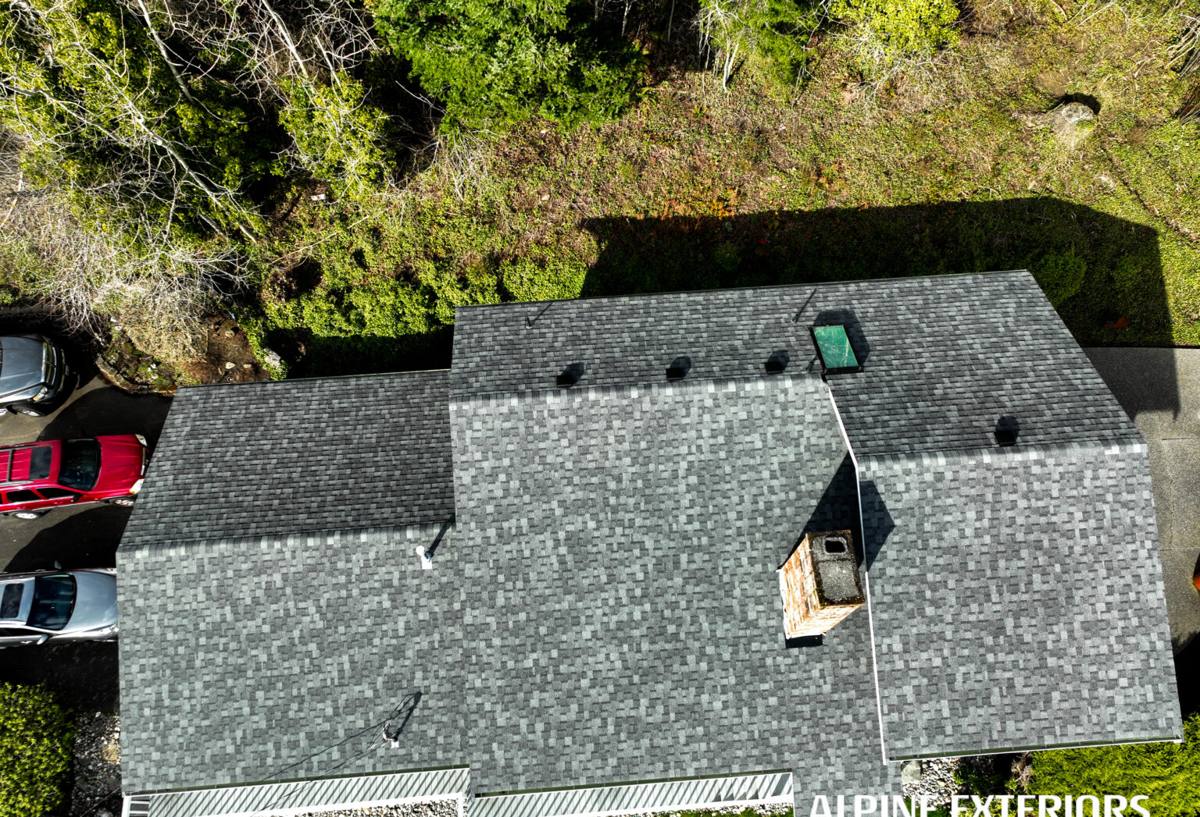
Rosedale's mix of single-family homes, many with tile or dimensional shingle roofs and mature landscaping, faces a specific combination of stressors:
- UV degradation: Central Florida sun breaks down asphalt shingle granules and dries out sealants faster than in almost any other part of the country, leaving roofs brittle years before their rated lifespan suggests.
- Wind-driven rain: Storms here rarely fall straight down. Wind pushes rain sideways and upward under shingle tabs, tile laps, and flashing edges that were never designed to handle water moving in that direction.
- Hurricane-season gusts: Even storms that don't make landfall directly on Manatee County can send sustained winds through the area, lifting shingle edges, cracking tiles, and loosening fasteners that then fail months later during an ordinary afternoon storm.
- Salt air: Metal flashing, fasteners, and vent boots corrode faster near the coast, and Bradenton's proximity to the bay means even inland neighborhoods like Rosedale see accelerated wear on exposed metal components.
- Humidity and tree cover: Constant moisture in the air combined with shaded roof sections encourages algae and moisture retention, which shortens the life of underlayment and shingles alike.
None of these factors act alone — they compound. A roof with sun-brittled shingles is far more likely to lose a section in a wind event than a roof with fresh sealant and intact fasteners.
Common Roof Problems We Find on Rosedale Homes
Shingle Roofs
Lifted or missing tabs after a storm, cracked or curling shingles from UV exposure, and granule loss around valleys and roof penetrations (vents, stacks, skylights) are the most frequent calls. Nail pops and worn pipe boot seals are also common and often the actual source of a "mystery" ceiling stain.
Tile Roofs
Cracked or slipped tiles from wind or foot traffic, and failed underlayment beneath otherwise intact-looking tile, are the two issues we see most. Tile itself can last decades, but the underlayment beneath it has a shorter service life in this climate — a roof can look fine from the ground while the water barrier underneath has already failed.
Flashing and Penetrations
Chimney flashing, wall-to-roof transitions, skylight curbs, and vent boots are consistently the weakest points on any roof type. They're also the most common source of leaks that homeowners assume are a "roof problem" when they're really a flashing or sealant problem.
What a Correct Roof Repair Actually Involves
A roof repair done right isn't just patching the spot where water is showing up inside the house. Water travels along the roof deck and framing before it drips through the ceiling, so the visible stain is often several feet from the actual entry point. A proper repair means:
- Tracing the leak to its true source, not just the point of interior damage.
- Inspecting the surrounding area for related wear — if one section of shingles or tile has failed, nearby material is often close behind.
- Checking the roof deck and underlayment for moisture damage or rot, not just the surface layer.
- Replacing damaged material with matching product where possible, and properly integrating new flashing or sealant with what's already there.
- Confirming proper water flow — valleys, laps, and fastener patterns all matter for how water sheds off the roof during the next storm.
Skipping any of these steps is how a "fixed" roof leaks again during the next heavy rain. A patch that only addresses the interior symptom is a temporary fix at best.
Our Roof Repair Process in Rosedale
We keep the process straightforward because homeowners deserve a clear answer, not a sales pitch:
1. Inspection and Diagnosis
We assess the roof itself along with the deck, flashing, and ventilation. We'll tell you plainly whether it's a repair, and if there are signs the roof is closer to end-of-life, we'll say that too — including if a repair is still the right move for now.
2. Clear Scope and Estimate
You get a written explanation of what failed, what we're fixing, and what it costs before any work starts. No vague line items.
3. The Repair
Matching materials wherever possible, proper flashing integration, and correct fastening for our wind exposure. We don't caulk over a problem that needs a mechanical fix.
4. Verification
We check our own work before we call it done, including confirming there's no remaining moisture path.
Repair vs. Replacement: How to Tell
Not every roof problem calls for a full replacement, and not every leak can be permanently solved with a patch. Here's how we generally think about it:
| Factor | Repair Usually Makes Sense | Replacement Should Be Considered |
|---|---|---|
| Age of roof | Roof is well within its expected service life | Roof is at or beyond typical lifespan for its material |
| Extent of damage | Damage is isolated to one section or a few penetrations | Damage is spread across multiple sections or slopes |
| Underlayment condition | Underlayment is intact where inspected | Underlayment is failing or missing in multiple areas |
| Decking condition | No rot or soft spots found | Soft decking or signs of long-term moisture intrusion |
| Repair history | First or infrequent repair need | Recurring leaks in different areas over recent years |
| Material availability | Matching shingles or tile still available | Discontinued material makes patch repairs visually mismatched |
We'll walk you through where your roof lands on this list honestly — our goal is to fix what needs fixing, not to upsell a replacement a roof doesn't need yet.
Signs You Need a Roof Repair Now
Some roof issues can wait for a scheduled inspection. Others shouldn't wait, especially heading into or during hurricane season. Call sooner rather than later if you notice:
- Water stains on ceilings or upper walls, especially after a storm
- Missing, cracked, curling, or visibly lifted shingles
- Cracked or slipped roof tiles, or tile debris in the yard
- Granules collecting in gutters or at downspout outlets
- Daylight visible through the attic roof deck
- Soft or spongy spots when the roof is walked (by a professional, not the homeowner)
- Visible gaps or rust around flashing, vent boots, or chimney seals
- A musty smell in the attic, which often points to trapped moisture
If any of these apply, it's worth having someone look before the next storm rather than after.
Why Hire a Crew That Already Works in Rosedale
Roofing codes, wind-rating requirements, and material behavior aren't identical everywhere in Florida — what holds up in a drier inland climate isn't necessarily what performs well against Manatee County's combination of heat, humidity, and storm exposure. A crew that regularly works Rosedale and the surrounding Bradenton area already knows:
- Which flashing details actually hold up against our wind-driven rain patterns
- How local HOA and permitting expectations typically apply to visible repair work
- What materials are realistic to source and match quickly in this market
- How storm-damage claims typically get documented for insurance purposes here
That familiarity translates into repairs that are diagnosed correctly the first time, instead of a generic patch that doesn't account for how water actually moves across a roof in this climate.
Storm Damage and Insurance Considerations
If your roof damage followed a named storm or a documented high-wind event, we can provide photo documentation and a written scope of damage that you can submit to your insurance carrier. We're not a public adjuster and won't promise a claim outcome, but we can make sure the physical damage is properly documented and repaired to a standard that holds up to scrutiny.
For non-storm-related wear — the slow accumulation of UV damage, sealant failure, or aging flashing — most of this falls under regular maintenance rather than an insurance claim, and we'll tell you honestly which category your repair falls into.
If you're dealing with a leak, storm damage, or just want an honest read on your roof's condition, we're glad to take a look. Request a free, no-pressure estimate using the form below and we'll get back to you with a straightforward assessment.