 Bradenton Siding
 Why Siding Repair Looks Different in Rosedale Than in Other Parts of Bradenton
Rosedale is an established, well-kept community, and most homes here were built to a consistent standard with matching architectural guidelines. That's actually a good thing when it comes to siding repair — it means we're usually working with recognizable siding profiles and can plan a repair that blends in rather than standing out. But it also means the siding on these homes has now weathered years of Manatee County's climate: hurricane-force wind events, wind-driven rain that gets forced sideways into seams and corners, intense year-round UV exposure, and the salt-laden air that moves inland off Tampa Bay and the Gulf. None of that is unique to Rosedale, but it's constant here, and it adds up differently on a fifteen or twenty-year-old exterior than it does on a brand-new build.
A siding repair on a Rosedale home isn't just about patching a visible problem. It's about understanding what that specific section of wall has been exposed to, what's likely happening behind the surface, and whether the repair will actually hold up through the next storm season or just look fine until it doesn't.
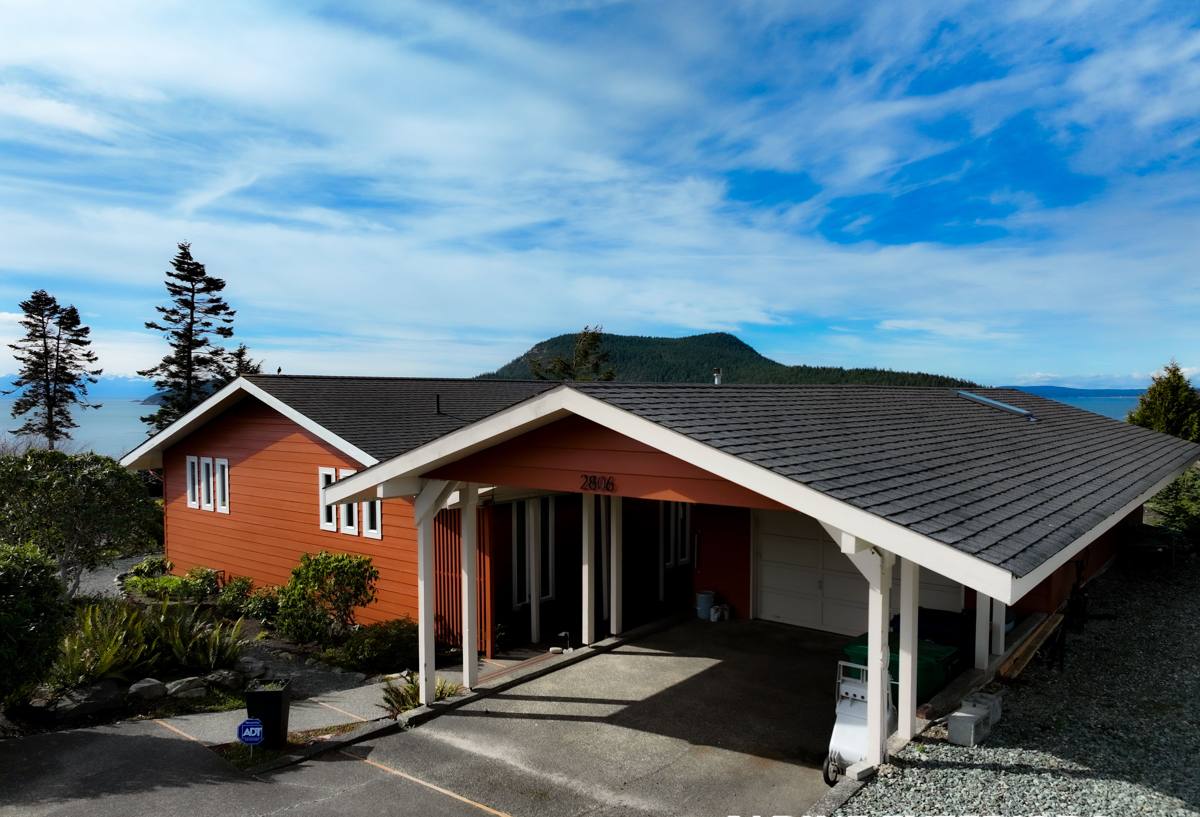
What's Actually Damaging Your Siding
Wind-Driven Rain and Moisture Intrusion
Florida rain rarely falls straight down. During tropical systems and even routine summer storms, wind pushes water sideways into joints, corner boards, and anywhere caulking has started to fail. Once moisture gets behind the siding, it doesn't dry out quickly in our humidity — and that's when you start seeing soft spots, staining, or siding that's separating from the wall.
UV Breakdown and Fading
Bradenton gets sun exposure most of the year, and constant UV takes a toll on any exterior finish. Paint chalks and fades unevenly, caulking dries out and cracks, and lower-quality trim materials can become brittle. Repairs on sun-exposed elevations often need attention sooner than the shaded side of the same house.
Salt Air and Corrosion
Even well inland from the coast, salt-laden air travels and settles on exterior surfaces, accelerating corrosion on fasteners, flashing, and metal trim. When a repair only addresses the visible siding but ignores corroded fasteners or flashing underneath, the same failure tends to come back within a season or two.
Hurricane-Force Wind Loads
Wind doesn't just push against siding — it creates pressure differences that pull at panels, especially at corners, edges, and anywhere fastening has loosened over time. A section that looks intact after a storm can have compromised fastening that won't show up until the next major wind event finishes the job.
Signs Your Rosedale Home Needs Siding Repair
Most siding problems give some warning before they become expensive. Walk your exterior and look for:
- Panels that are cracked, chipped, or visibly warped
- Soft or spongy areas when pressed gently (a sign of moisture behind the surface)
- Gaps opening up at seams, corners, or where siding meets trim and window frames
- Staining, streaking, or dark spots that don't wash off
- Caulking that's cracked, shrunk, or pulling away from joints
- Fasteners that are visibly corroded, backing out, or leaving rust trails
- Sections that flex or move when you push on them lightly
- Paint that's peeling or bubbling rather than just fading
Any one of these on its own might be minor. Several showing up in the same area usually means moisture has been working behind the siding for a while, and that's worth having looked at before the next storm season rather than after.
Repair or Replace? How We Make the Call
Not every damaged section needs a full re-side, and we won't tell you it does. But there's a point where patching individual areas costs more over time than addressing the underlying cause. Here's how we generally weigh it:
| Factor | Favors Repair | Favors Replacement |
|---|---|---|
| Extent of damage | Isolated to one or two sections | Spread across multiple elevations |
| Underlying structure | Solid sheathing, no rot found | Soft sheathing or framing damage present |
| Age of existing siding | Newer install, still under warranty | Original siding is old or already failing elsewhere |
| Cause of damage | Isolated impact or installation defect | Systemic moisture intrusion or wind damage pattern |
| Material match | Discontinued profile can still be closely matched | Product line or color is no longer available at all |
We'll always give you a straight answer on which category your situation falls into, and why — not just whichever option is more profitable for us.
What a Correct Siding Repair Actually Involves
A repair that just covers the visible damage without checking what caused it tends to fail again. A correct repair means:
- Removing enough surrounding material to see the full extent of the damage, not just the visible corner of it
- Checking the water-resistive barrier and flashing underneath for tears, gaps, or improper overlap
- Confirming sheathing is solid before closing anything back up
- Replacing corroded or improperly spaced fasteners, not just reusing what's there
- Re-establishing correct clearances at grade, decks, and roof lines so water has somewhere to go
- Using matched material and proper fastening pattern so the repaired section performs the same as the surrounding siding, not just looks similar
Skipping any of these steps might save an hour of labor, but it usually means the same repair gets revisited within a year or two — often after the damage has spread.
Our Process From First Call to Finished Repair
Inspection and Diagnosis
We start by looking at the damaged area and the surrounding siding, not just the spot you called about. If there's a pattern — say, damage concentrated on one elevation that takes the brunt of wind-driven rain — we'll tell you what we're seeing and why.
Material Matching
Because we work exclusively with James Hardie fiber cement, we're matching against a known, consistent product line rather than guessing at a discontinued vinyl or composite profile. Hardie's ColorPlus finishes and standard profiles have enough consistency across product runs that a well-matched repair blends in rather than becoming a visible patch.
The Repair Itself
Depending on scope, most repairs are completed in a few hours to a day. We remove only what's necessary, address any underlying moisture or fastening issues we find, and install the replacement material to the same fastening and clearance standards as a new installation — not shortcuts specific to "repair work."
Final Check and Cleanup
Before we consider the job done, we check that caulking, flashing, and paint lines are finished properly, and we clean up the work area. You shouldn't be able to tell we were there except for the fact that the problem is fixed.
Why a Crew That Already Works Rosedale Matters
Established communities like Rosedale often have architectural review guidelines or HOA expectations around exterior appearance — consistent colors, approved materials, and a general standard for how repairs should look once finished. A crew unfamiliar with that expectation might do technically sound work that still doesn't sit right with the neighborhood's overall look, or that creates an approval headache for you after the fact.
There's also a practical advantage to familiarity: a crew that's worked on similar homes in the area already has a sense of the common trouble spots — where wind-driven rain tends to concentrate, which elevations take the most UV exposure, where salt air has historically caused fastener corrosion — and that shortens the diagnostic process instead of starting from zero every time.
Why We Repair With James Hardie Components Only
We install and repair exclusively with James Hardie fiber cement siding. We don't patch Hardie siding with vinyl, LP SmartSide, or other composite materials, and we don't mix product systems on the same wall. Different siding materials expand, contract, and weather at different rates — mixing them into a single repair creates seams that move against each other over time, which is exactly the kind of gap that lets wind-driven rain back in.
Hardie's fiber cement is non-combustible, holds paint and factory ColorPlus finish well under intense Florida UV, and is engineered for exactly the humidity and moisture exposure Manatee County homes deal with year-round. Repairing with the same system that's already on your home — installed correctly, to spec — is what keeps a patch from becoming a recurring problem.
If you're seeing damage, gaps, or staining on your Rosedale home's siding, we're happy to take a look and give you a straight assessment — no pressure, no obligation. Fill out the form below to schedule a free estimate.