 Bradenton Siding
 Why Samoset Roofs Wear Out Faster Than People Expect
Samoset sits close enough to Tampa Bay and the Gulf that homes here take a different kind of beating than roofs a hundred miles inland. It's not one big event that does the damage — it's the accumulation. Intense, nearly year-round UV breaks down asphalt oils and shrinks shingle mats. Wind-driven rain during summer storms finds every weak seam, nail pop, and aging flashing detail. Salt-laden air corrodes exposed metal fasteners and drip edge faster than manufacturers' warranties usually assume. And when a tropical system or a strong straight-line wind event rolls through Manatee County, a roof that's already fatigued from sun and moisture exposure is the one that fails first.
None of that means a roof in Samoset is doomed — it means the installation has to be done with this specific climate in mind from the first nail. A roof installed the same way you'd install one in Ohio or Georgia will not perform the same way here over a 20-year lifespan, even if the shingle on the wrapper looks identical.
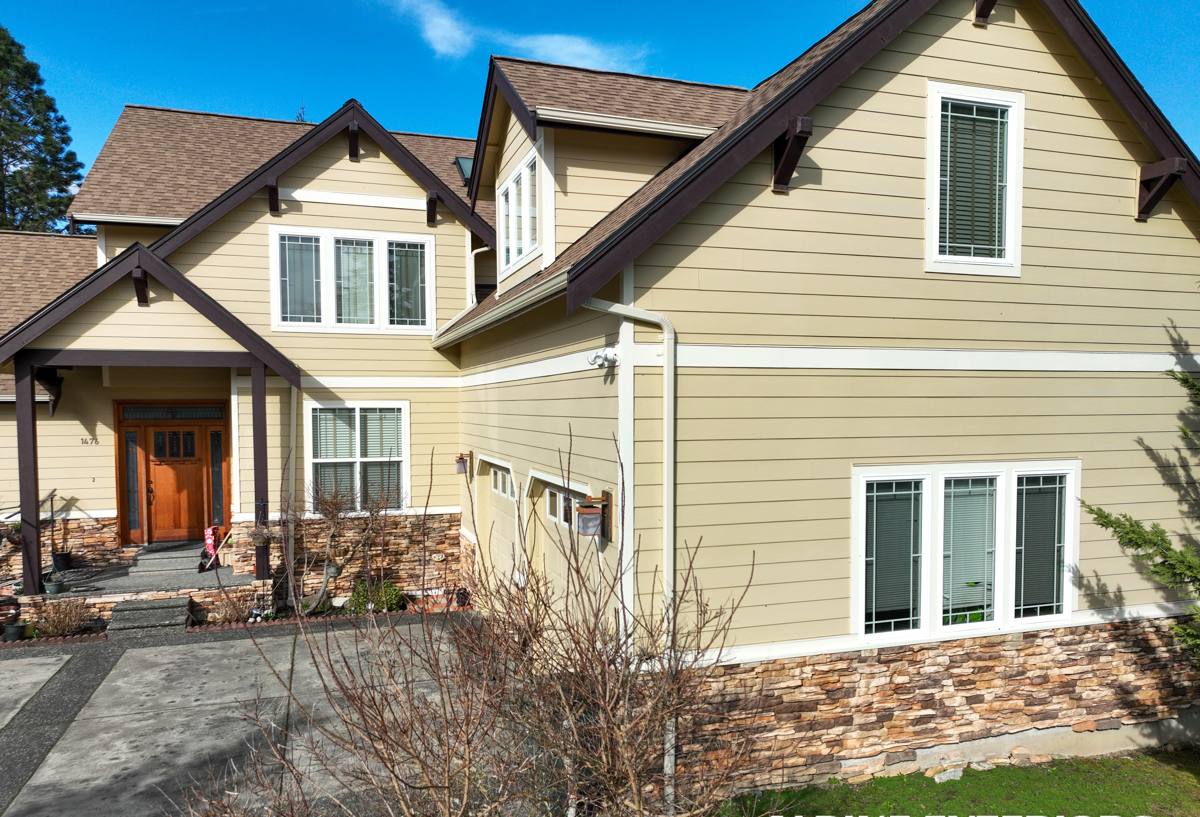
Signs a Samoset Home Needs a New Roof, Not Another Patch
Homeowners often call us for a repair and end up learning the roof is past the point where patching makes financial sense. Some of the clearest signals:
- Shingles that are cupping, curling at the edges, or losing granules in visible streaks or clumps
- Multiple past repairs in different areas of the roof — a sign of system-wide fatigue, not isolated damage
- Soft spots or sagging when walked on, which usually means the deck underneath has taken on moisture
- Daylight visible through the attic roof boards, or water stains on attic insulation after a normal rain
- A roof that's 18-20+ years old, even if it "looks fine" from the ground — asphalt shingle mats degrade from the underside and from UV exposure long before visible failure shows up
- Visible corrosion or rust streaking around flashing, pipe boots, or valleys
If a roof is showing two or more of these at once, a new installation is almost always the more cost-effective path than continuing to chase leaks one at a time.
What a Correct New Roof Installation Actually Involves
Full Tear-Off and Deck Inspection
We don't recommend installing a new roof over an old one (a "layover"), even though it's cheaper and faster. It traps moisture, hides deck damage, and voids most manufacturer warranties. A proper job starts with a complete tear-off down to the deck, followed by an inspection of every sheet of plywood or OSB. Any wood that's soft, delaminated, or water-stained gets replaced before anything else happens — installing new roofing over a compromised deck just guarantees a shorter lifespan and hides the real problem.
Underlayment Built for Wind-Driven Rain
In a coastal-influenced climate like Bradenton's, underlayment choice matters more than most homeowners realize. Synthetic underlayment with taped or sealed seams, combined with self-adhering ice-and-water-shield-style membrane at eaves, valleys, and penetrations, gives the deck a second line of defense when wind pushes rain sideways under the shingle tabs — which happens regularly during Gulf-fed storms.
Flashing and Fastening Details
Most roof leaks don't start in the open field of shingles — they start at flashing: chimneys, sidewalls, valleys, pipe boots, and roof-to-wall transitions. We install new flashing on every re-roof rather than reusing old pieces, and we follow manufacturer nailing patterns exactly, with enhanced fastening in areas exposed to higher uplift. Corrosion-resistant fasteners are non-negotiable this close to the coast — standard fasteners degrade noticeably faster in salt air.
Ventilation That Actually Balances
A roof system needs balanced intake (soffit) and exhaust (ridge or box vents) ventilation to let heat and moisture escape the attic. Get this wrong and you shorten shingle life from the underside through heat buildup, regardless of how good the shingle itself is. We check and correct ventilation as part of every installation, not as an upsell afterward.
Roofing Material Options for Samoset Homes
| Material | Typical Lifespan | Coastal/Wind Performance | Considerations |
|---|---|---|---|
| Architectural asphalt shingle | 20-30 years | Good, when rated and installed for high-wind zones | Best value; wide style/color options; requires quality underlayment for this climate |
| Metal (standing seam) | 40-50+ years | Excellent wind uplift resistance; sheds rain fast | Higher upfront cost; needs proper fastening and coating to manage coastal corrosion |
| Concrete/clay tile | 40-50+ years | Very good when properly fastened; heavy | Structure must support added weight; underlayment failure is the real risk, not the tile itself |
| 3-tab asphalt shingle | 15-20 years | Lower wind rating than architectural shingles | Lowest upfront cost, but shorter service life in this climate |
We don't push one material on every homeowner. The right choice depends on the home's structure, the budget, and how long the owner plans to stay in the house. What we won't do is install a product or assembly we don't believe will hold up here — if a lower-cost option comes with a real trade-off in wind performance or moisture resilience for this specific location, we say so up front.
Our Process, Start to Finish
- On-site inspection and honest assessment — we look at the whole system: shingles, deck, flashing, ventilation, and attic condition, not just what's visible from the driveway.
- Written estimate with material options — clear pricing, no vague allowances, and an explanation of why we're recommending what we're recommending.
- Permitting — we pull the required Manatee County/City of Bradenton permits and schedule the necessary inspections; this isn't optional and it protects the homeowner.
- Tear-off and deck repair — full removal of old roofing, deck inspected board by board, damaged sections replaced.
- Underlayment and flashing installation — moisture barrier and all new flashing components installed to code and manufacturer spec.
- Roofing material installation — installed with attention to nailing pattern, exposure, and wind-rated detailing at edges and penetrations.
- Cleanup and magnetic sweep — job site cleared of debris and nails before we consider the job done.
- Final walkthrough and inspection sign-off — we review the finished roof with the homeowner and make sure the county inspection is completed and passed.
Permits, Codes, and Wind Ratings in Manatee County
Florida's building code requirements for re-roofing are stricter than in most of the country, and Manatee County enforces them closely — for good reason. Roof coverings installed in this region need to meet specific wind-uplift and product-approval standards, and permitted work gets inspected before it's signed off. Skipping the permit process might save a few days, but it leaves the homeowner without proof the work meets code, which becomes a real problem at resale or with an insurance claim after a storm. We handle the permitting and inspection scheduling as a standard part of every installation — it's not an add-on.
Why It Matters That We Already Work in Samoset
A crew that regularly works in Samoset and the surrounding Bradenton area already knows the roofing product lines that are locally stocked and code-approved for this wind zone, has a working relationship with the county permitting office, and has seen how different roof types on this side of Manatee County actually hold up after a few storm seasons — not just how they look in a brochure. That local track record shortens the guesswork on material selection and keeps the project moving instead of stalling on unfamiliar permitting steps or supply delays.
It also means faster response if something needs attention after installation. A roofing company based two counties away isn't going to prioritize a callback the way a local crew that lives and works in this community will.
What Drives the Cost of a New Roof
| Factor | Why It Matters |
|---|---|
| Roof size and pitch | More square footage and steeper slopes mean more material and labor time |
| Number of layers to remove | Tearing off multiple old layers adds disposal and labor cost |
| Deck condition | Rotted or delaminated plywood/OSB has to be replaced before new roofing goes on |
| Material choice | Asphalt shingle, metal, and tile carry very different material and labor costs |
| Roof complexity | Valleys, dormers, chimneys, and skylights all add flashing work and time |
| Ventilation upgrades | Adding or correcting attic ventilation affects both cost and long-term roof life |
We give a firm, itemized estimate after the on-site inspection rather than a rough phone quote — roof pricing that's accurate has to account for the actual deck condition and roof complexity, which you can't fully see from the ground.
What to Check Before You Hire Anyone for This Job
- Florida state roofing license, current and verifiable
- General liability and workers' compensation insurance
- Willingness to pull permits in their own name, not the homeowner's
- A written estimate that names specific products and wind ratings, not just "shingles"
- References or completed work you can see in the local area
- A clear explanation of underlayment, flashing, and ventilation details — not just the shingle brand
- A manufacturer warranty that's actually backed by proper installation certification
Any contractor unwilling to answer these plainly is worth passing on, regardless of price.
If your Samoset home is due for a new roof, we're glad to take a look and give you a straight answer about what it needs — no pressure, no inflated scare tactics. Use the form below to request a free estimate.