 Bradenton Siding
 Roof Repair Built for Samoset's Climate
Samoset sits inside Bradenton and Manatee County, which means every roof here deals with the same short list of stressors, year after year: long stretches of intense UV exposure, sudden wind-driven rain, salt-laden air moving in off the Gulf, and the real possibility of hurricane-force winds during storm season. None of that is unique to any one street or subdivision in the neighborhood — it's the baseline for every roof in this part of Florida. What varies is how well a given roof was built, maintained, and repaired to handle it.
A roof repair done for a Samoset home needs to account for all of that, not just patch the spot that's leaking. That's the difference between a repair that holds through the next storm season and one you're calling us back out for in eight months.
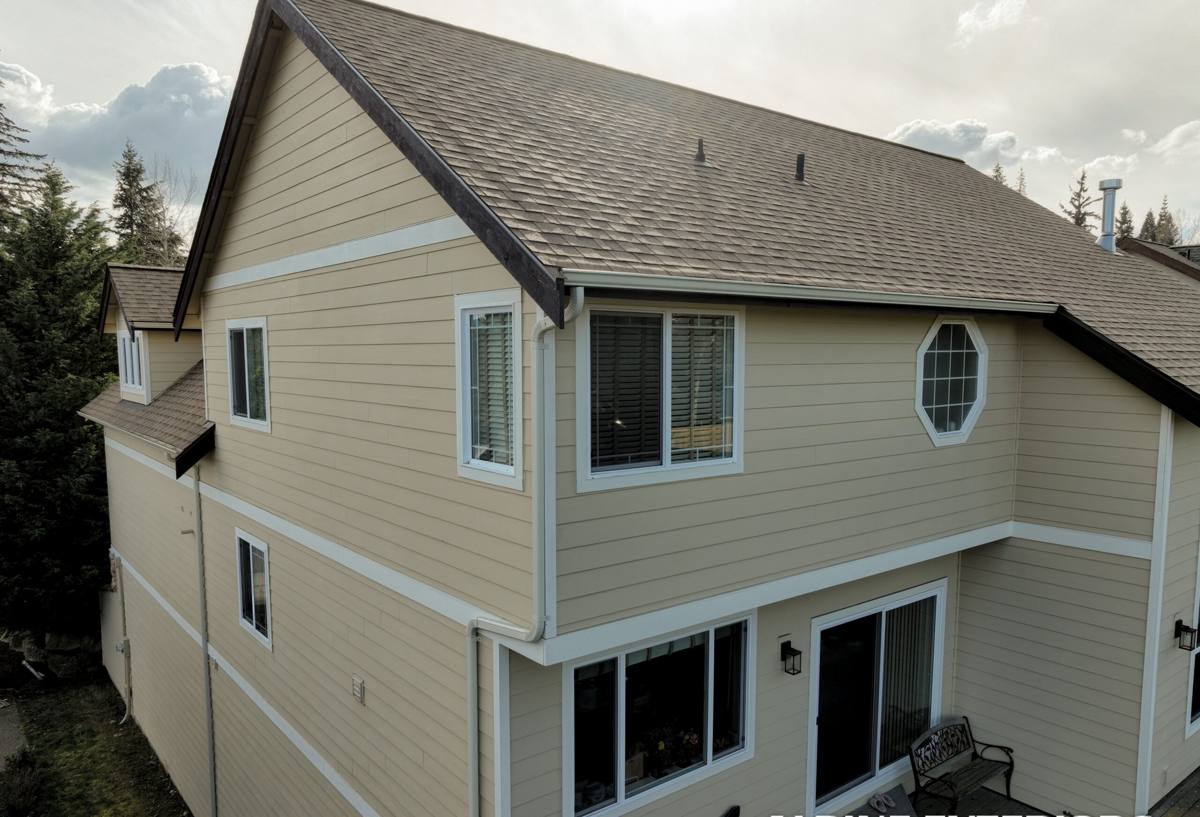
Why Roofs in This Area Wear the Way They Do
Florida sun is harder on roofing than most homeowners realize. UV exposure breaks down the oils and asphalt binders in shingles over time, which is why a roof that looks fine from the ground can have granule loss, brittle shingles, or a failing underlayment underneath. Add in the county's humidity and you get a slower, steadier form of wear than a lot of northern climates ever see.
Then there's wind. Manatee County roofs don't just need to shed water — they need to stay attached to the house. Wind-driven rain doesn't fall straight down; it drives sideways and upward under loose or aging shingle edges, flashing, and ridge caps, finding any gap that's opened up over time. That's how a small, unnoticed weak point turns into an active leak during the next heavy rain event, sometimes far from where the water actually enters.
Salt air adds a third factor. Being close enough to the Gulf to catch salt in the air accelerates corrosion on exposed metal — nail heads, flashing, vent boots, and fasteners age faster here than they would inland. A repair that reuses corroded fasteners or unsealed metal is a repair that's already on borrowed time.
What This Means for a Samoset Repair
- Shingles and flashing need to be evaluated for UV-driven brittleness, not just visible damage
- Fasteners and metal components should be corrosion-resistant and properly sealed, given the salt air
- Wind-driven rain paths (valleys, edges, penetrations) get checked even if they're not the reported leak point
- Any repair should be able to stand up to wind-borne debris and sustained gusts, not just calm-weather rain
Signs a Samoset Home Needs Roof Repair
Roof problems in this area rarely announce themselves clearly. Most homeowners notice something small — a stain, a soft spot, a missing shingle after a windstorm — long before they'd call it an emergency. Catching those early is what keeps a repair a repair instead of turning it into a replacement.
- Water stains on interior ceilings or walls, even faint or intermittent ones
- Missing, cracked, curling, or lifted shingles, especially after a windy afternoon storm
- Granules collecting in gutters or at downspout outlets
- Soft or spongy spots when walking a flat or low-slope section
- Visible rust, gaps, or lifted edges around flashing, vents, or chimneys
- Daylight visible through the attic decking
- A musty smell in the attic or top-floor closets, which often points to trapped moisture
If any of these sound familiar, it's worth having someone look at it before the next storm system moves through — not after.
Common Roof Repair Work We Handle
Most repair calls in this area fall into a handful of categories. Here's how we typically approach the most common ones:
| Repair Type | Typical Cause | What the Fix Involves |
|---|---|---|
| Localized shingle repair | Wind uplift, impact damage, or age-related cracking | Remove and replace affected shingles, inspect underlayment beneath, reseal edges |
| Flashing repair | Corrosion, sealant failure, or improper original installation | Remove old flashing, correct any underlying decking issues, install and seal new flashing |
| Leak tracing and patch | Water traveling along decking or trusses before showing indoors | Trace the entry point (often not directly above the stain), repair the source, address any decking damage |
| Vent boot / penetration repair | Rubber boots drying out and cracking under UV exposure | Replace the boot, reseal the collar, check surrounding shingles |
| Storm damage repair | Wind, hail, or debris impact | Full section assessment, documentation for insurance if needed, repair to code |
What a Correct Repair Actually Involves
A roof repair that's done right is more than swapping out the damaged shingle you can see. Here's what we check on every repair call, regardless of how small the visible problem looks:
1. Find the Real Source
Water doesn't always leak straight down. On a pitched roof, it can travel along the decking or a truss for several feet before it shows up as a stain. We trace the path before we patch anything, so we're fixing the actual entry point instead of the symptom.
2. Check What's Underneath
Once shingles are pulled back, we look at the underlayment and decking. If either has been compromised by prior moisture, patching over it just traps the problem. Soft or delaminated decking gets replaced, not covered.
3. Match Materials Correctly
Repairs should tie into the existing roofing system correctly — matching shingle type and, where possible, color, and using flashing and fasteners rated for coastal, high-UV conditions. Mismatched materials or the wrong fastener type is a common reason repairs fail early in this climate.
4. Reseal and Reinforce Edges
Given how often wind-driven rain is the actual culprit here, we pay particular attention to edges, valleys, and transitions — the places most likely to let water in sideways rather than straight down.
Our Roof Repair Process
- Inspection. We look at the reported problem area and the roof as a whole, since one visible issue often points to a broader wear pattern.
- Honest assessment. We tell you plainly whether this is a repair situation or whether the roof's overall condition means a repair would just be a short-term fix. We don't upsell repairs into replacements, or vice versa.
- Written estimate. You get a clear scope of work and price before anything starts — no surprise add-ons mid-job.
- The repair itself. We pull back only what's necessary, address the source and any hidden damage, and rebuild the area to hold up to wind and rain, not just look fixed.
- Final check. We walk the completed area with you and confirm the fix before we consider the job done.
Repair or Replace? How We Decide
Not every roof problem calls for a full replacement, and not every leak can be permanently solved with a patch. We base the recommendation on the roof's overall condition, not just the one spot that's currently failing.
| Factor | Leans Toward Repair | Leans Toward Replacement |
|---|---|---|
| Roof age | Well within expected service life | Nearing or past the end of its expected lifespan |
| Damage extent | Localized to one area or system | Multiple areas showing wear or failure |
| Decking condition | Solid, no widespread rot | Soft or compromised in multiple spots |
| Repair history | First or infrequent repair need | Recurring leaks or repeated patch jobs |
| Storm damage | Isolated impact or wind damage | Widespread uplift or structural exposure |
We'll walk you through where your roof falls on that spectrum and let you make the call with real information, not pressure.
Why a Crew That Already Works Samoset Matters
Roofing rules and expectations aren't identical everywhere. Manatee County has its own permitting requirements and inspection process for roofing work, and a crew that regularly works in the county already knows how that process runs — what triggers a permit, what an inspector will look for, and how to keep a repair job moving without delays. That familiarity saves time and avoids the kind of rework that happens when a repair gets done without local code in mind.
There's also a practical side to it: a crew already working in and around Samoset can typically get to your home faster, especially in the window right after a storm when demand for roof repair spikes across the whole area. When wind-driven rain or hail has hit a neighborhood, response time matters — a small leak left unaddressed for a week of afternoon storms can turn into a decking or ceiling repair on top of the roof work.
What to Look for When Vetting Any Roofer
- Florida contractor license and current insurance, verifiable on request
- Willingness to put the full scope of work and price in writing before starting
- A clear answer on whether the job requires a Manatee County permit
- Straight talk about repair vs. replacement, not a default push toward the bigger job
- Materials appropriate for coastal, high-UV, high-wind conditions — not just whatever's cheapest
Maintaining Your Roof Between Repairs
A repair fixes the current problem, but a few habits help keep the next one from showing up early:
- Keep gutters and downspouts clear so water isn't backing up under the roof edge
- After any significant windstorm, do a visual check from the ground for missing or lifted shingles
- Trim back tree limbs that overhang the roofline, which reduce both debris impact and shade-driven moss or algae growth
- Have the roof looked at periodically rather than waiting for a visible leak, since Florida's UV and humidity wear roofs from the inside out as much as the outside in
Get an Honest Look at Your Roof
If you're dealing with a leak, storm damage, or just want a second opinion on a roof that's showing its age, we're happy to take a look and give you a straight answer — repair, monitor, or replace. Use the form below to request a free, no-pressure estimate for your Samoset home.