 Bradenton Siding
 Samoset Roofs Take a Different Kind of Beating
Samoset sits close enough to the water and open enough to the sky that its roofs deal with a combination of stresses most inland neighborhoods never see in the same intensity. Hurricane-force gusts push up under shingle edges and flashing during the big storms, but the slower damage happens every day in between: intense year-round UV baking asphalt and sealants brittle, wind-driven rain finding its way under lifted shingles during afternoon thunderstorms, and salt-laden air working on exposed metal fasteners, flashing, and vent boots. None of these forces act alone. A roof that's already UV-brittle handles wind uplift worse than a newer one, and a roof with a few corroded fasteners handles wind-driven rain worse than one that's properly sealed. By the time a homeowner notices a stain on the ceiling, the roof has usually been losing ground for a while.
Bradenton and the rest of Manatee County sit in a wind zone where local building code already assumes storms are part of normal life, not a rare event. That means repairs here need to meet a higher baseline than a quick patch in a milder climate. A repair that would pass fine in a drier, calmer region can fail here within a season or two if it doesn't account for wind uplift resistance, proper flashing details, and materials that tolerate constant UV and moisture cycling.
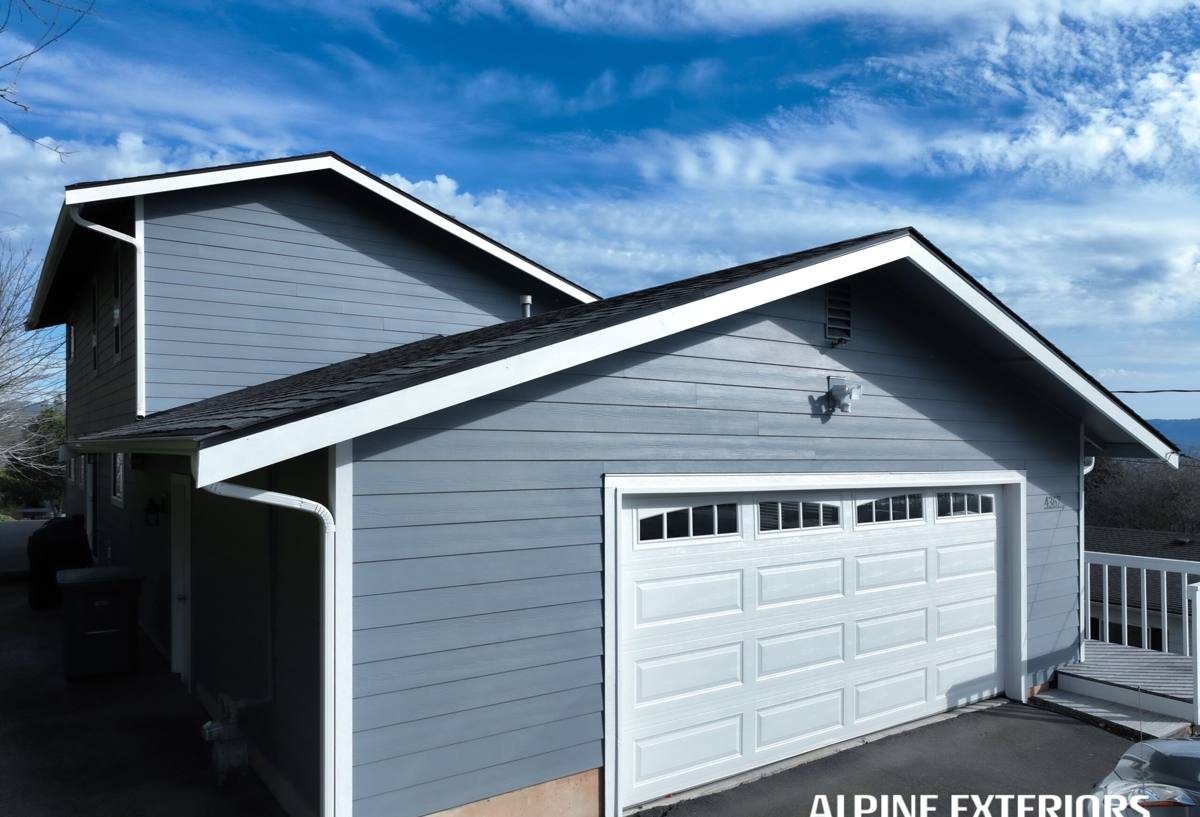
What Actually Counts as Storm Damage
Storm damage isn't always dramatic. Homeowners often picture missing shingles or a visible hole, but a lot of the damage that leads to leaks and interior problems is subtler and easy to miss from the ground.
Signs Worth a Closer Look
- Shingles that look intact but are lifted, cracked, or creased at the edges from wind uplift
- Granule loss showing up in gutters or at downspout outlets after a storm
- Bent, lifted, or missing flashing around chimneys, vents, and roof-to-wall transitions
- Soft spots or discoloration on the underside of roof decking, visible from the attic
- Nail heads backing out or becoming visible where shingles have shifted
- New or worsening ceiling stains, especially after a heavy rain event
- Debris impact marks — dents or punctures from branches or wind-borne material
Some of these are cosmetic. Others are early warning signs of a leak path that hasn't shown up inside the house yet. Part of a proper storm damage inspection is telling the difference and being honest about which is which, rather than treating every mark as an emergency or dismissing something that will become one.
What a Correct Repair Actually Involves
A storm damage repair done right isn't just replacing the shingles that are visibly gone. Wind and water damage tends to extend past the obvious area, and a repair that only covers what's missing — without checking what's underneath — often leaks again at the first hard rain.
What We Check Before Any Repair Starts
- The condition of the decking underneath the damaged area — soft, delaminated, or water-stained plywood needs to be addressed, not covered over
- Whether the underlayment (the moisture barrier beneath the shingles) was compromised, even in spots where the shingles themselves look fine
- Flashing around any penetration near the damaged area — chimneys, pipe boots, skylights, roof-to-wall joints
- Fastener condition and pattern on the surrounding shingles, since wind damage in one section often means the shingles nearby are also compromised, just not visibly yet
- Gutter and drip edge condition, since damaged edge metal changes how water sheds off the roof
Skipping this step is the single biggest reason storm repairs fail. A patch that looks good from the driveway but sits over damaged decking or a compromised underlayment layer is a repeat repair waiting to happen — usually discovered during the next storm, not before it.
Our Process, Start to Finish
1. Inspection and Documentation
We walk the roof (not just look at it from the ground) and photograph the damage in detail, including anything that could matter for an insurance claim. We check attic access points where possible to see if water has already reached the decking.
2. A Straight Answer on Scope
We tell you plainly whether this is a targeted repair, a larger section replacement, or something that's better addressed as a full re-roof. We don't pad the scope to inflate the job, and we don't undersell it to win the bid cheap and come back later for more money.
3. Written Estimate
You get a clear breakdown of materials, labor, and what's included — no vague line items. If insurance is involved, we can align our estimate with what an adjuster will need to see.
4. The Repair Itself
Damaged decking is replaced, not skipped over. Underlayment is restored to spec in the repaired section. Flashing is reset or replaced where it's compromised. New shingles are matched as closely as possible and fastened to current wind-resistance standards, not just tacked down to match what was there.
5. Final Walkthrough
We go over what was done, show you the completed work, and flag anything else on the roof worth keeping an eye on — even if it wasn't part of this repair.
Repair or Replace? How We Help You Decide
Not every storm-damaged roof needs to come off. But sometimes a repair is a short-term fix on a roof that's already near the end of its useful life, and it's fairer to say so up front than to keep billing for patches.
| Factor | Leans Toward Repair | Leans Toward Replacement |
|---|---|---|
| Roof age | Under roughly 12-15 years, in otherwise good condition | Nearing or past manufacturer's expected service life |
| Extent of damage | Isolated to one section or slope | Spread across multiple slopes or large contiguous areas |
| Decking condition | Sound, dry decking beneath damaged shingles | Widespread soft spots, rot, or repeated water staining |
| Prior repair history | First significant repair on this roof | Multiple past patches in different areas |
| Underlayment condition | Intact outside the damaged zone | Brittle, cracked, or failing broadly from UV exposure |
We'll walk you through where your roof falls on these factors rather than making the call for you. On a roof that's otherwise sound, a well-executed repair can add years of reliable service. On one that's already showing its age across multiple areas, spending repair money on a small section while the rest is heading the same direction usually isn't the better value.
Materials and Methods That Hold Up in This Climate
Not every roofing product performs the same way under Gulf Coast conditions. We choose materials and installation methods based on how they hold up to the specific combination of UV exposure, humidity, wind, and salt air that Manatee County roofs deal with year-round, not just what's cheapest to install.
What We Prioritize
- Shingles rated for higher wind speeds, properly fastened per manufacturer spec rather than minimum code
- Synthetic underlayment in repaired sections, which holds up better to heat and moisture cycling than older felt products
- Corrosion-resistant fasteners and flashing metal, given how salt air accelerates rust on standard hardware over time
- Proper sealant application at penetrations, since a lot of small leaks trace back to a bead of sealant that failed years before anyone noticed
We're upfront when a particular product or shortcut isn't something we'll install, even if it's cheaper. Some lower-cost underlayments and fastening patterns save money on the front end but create more maintenance and callback risk down the road in a wind and humidity environment like ours — that's a trade-off we'd rather explain than hide.
Insurance Claims: What to Know Before You Call
A lot of storm damage repair in this area involves an insurance claim, and the process goes smoother when the documentation is solid from the start.
What Helps Your Claim
- Photos and a written scope from a contractor who inspected the roof close-up, not just from a drone pass
- A clear distinction between storm-caused damage and pre-existing wear, since adjusters will look for that distinction too
- Documentation of any interior damage (ceiling stains, insulation damage) that ties back to the roof issue
- A repair estimate that matches standard line-item pricing an adjuster will recognize
We're not a public adjuster and we don't promise claim outcomes — that's between you and your insurer. What we can do is give you an honest, well-documented assessment of the roof itself, which is the foundation of a fair claim either way.
Why a Crew That Already Works Samoset Matters
Roofing problems in this specific area aren't identical to problems in a roofing crew's home base two counties over. A contractor who regularly works in and around Bradenton has a feel for how local homes are built, what roofing ages look like on houses of a given era in this area, and how quickly a small issue turns into a bigger one given the humidity and storm pattern here. That familiarity shows up in small but real ways — knowing what to check first, not guessing at what a coastal Manatee County roof has been through, and being reachable quickly after a storm when a lot of homeowners in the same area need the same help at once.
It also matters for accountability. A crew that plans to keep working in this community has a reason to do the job right the first time and stand behind it, not just move on to the next town.
After the Repair: Keeping It That Way
A good repair doesn't mean you can forget about the roof again. A little attention between storms goes a long way toward catching the next issue early instead of after it's caused interior damage.
- Do a visual check from the ground after any storm with sustained winds — look for obviously lifted or missing shingles
- Clean gutters regularly so water isn't backing up under the roof edge
- Trim back tree limbs that overhang the roof, since falling debris is one of the more preventable causes of damage
- Have the roof looked at professionally every couple of years, even with no obvious problems, since UV and salt-air wear is gradual and easy to miss from the ground
- Address small leaks immediately rather than waiting to see if they get worse — they almost always do
If your Samoset home has storm damage, visible or suspected, we're glad to take a look and give you a straight, no-pressure assessment. The estimate is free, and you'll get a clear answer on what your roof actually needs — nothing more, nothing less. There's a form below to get started.