 Bradenton Siding
 Siding Repair for Mill Creek Homes
Mill Creek homes take a beating that a lot of inland neighborhoods never see. Between Manatee County's hurricane-season winds, the wind-driven rain that comes with almost every summer storm, and the salt air drifting in off the Gulf and Tampa Bay, siding here ages faster than the manufacturer's brochure suggests. We do siding repair work in this neighborhood regularly, and the damage we find tends to follow a pattern — which is exactly why a targeted, correctly done repair matters more than a quick patch.
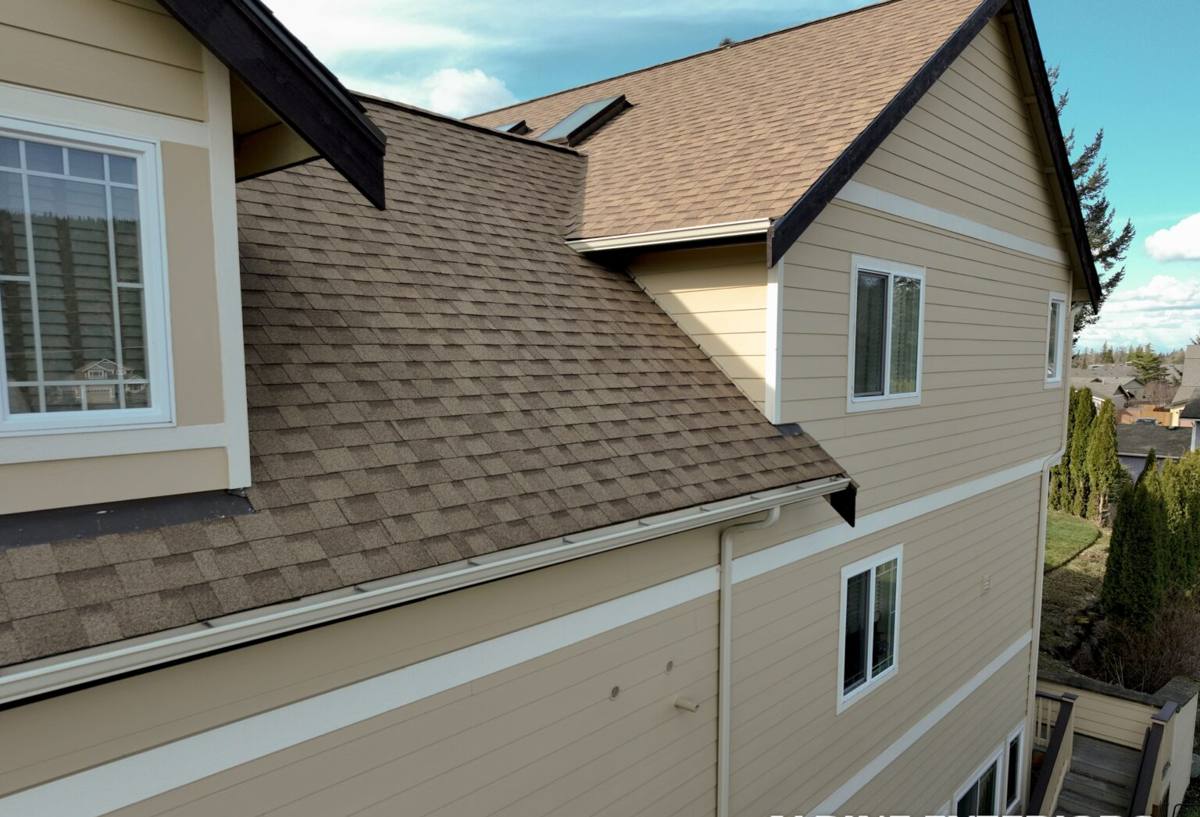
This page covers what siding repair actually looks like for a Mill Creek home: what causes the damage, how to tell it's happening, what a proper repair involves, and why we do this work exclusively with James Hardie fiber cement rather than the vinyl or engineered-wood products still common on older homes in the area.
Why Repairs Here Are Different From a Generic Siding Fix
Every coastal Florida neighborhood deals with heat and humidity, but a few things stack together in this part of Bradenton in ways that shorten the life of siding faster than most homeowners expect:
- Hurricane-force wind loads. Even storms that don't make landfall directly nearby can generate gusts strong enough to flex panels, pop fasteners, and pull siding away from the wall at seams and corners.
- Wind-driven rain. Rain that comes in sideways gets pushed behind loosely fastened panels and under compromised caulk joints, soaking sheathing and framing that siding is supposed to protect.
- Intense, near-constant UV exposure. Florida sun breaks down cheap paint finishes, dries out caulk, and embrittles lower-grade siding materials over years of exposure — long before the siding is structurally "old."
- Salt air. Even a few miles from the water, airborne salt accelerates corrosion on fasteners, trim flashing, and any exposed metal components tied into the siding system.
Individually, none of these is unusual for Florida. Together, on a repeated seasonal cycle, they're why siding repair in Manatee County is less about cosmetic fixes and more about catching moisture and structural issues before they spread.
What This Means for Repair Timing
A repair that would hold up fine in a drier, calmer climate can fail again within a season or two here if it doesn't account for wind uplift and water intrusion specifically. That's the difference between a repair that lasts and one you're paying for twice.
Signs a Mill Creek Home Needs Siding Repair
Most siding problems don't announce themselves with a dramatic failure — they show up as small signs that get worse if ignored. Walk your exterior and look for:
- Panels that flex, rattle, or feel loose when pushed on gently
- Visible gaps at seams, corners, or around windows and doors
- Cracked, split, or warped boards, especially on the side of the house that takes the most weather
- Soft or spongy spots — a sign moisture has reached the substrate underneath
- Peeling or bubbling paint, which often means moisture is trapped behind the surface, not just sun fade
- Staining, streaking, or a musty smell near exterior walls, which can point to water getting behind the siding
- Rust streaks below fasteners or trim, a sign of corrosion in coastal air
- Missing or damaged pieces after a storm, even if the rest of the wall looks fine
Any one of these on its own might just need a small fix. Several at once, or damage clustered in one area, usually means water has already gotten past the surface and the repair needs to go deeper than replacing what's visible.
What a Correct Siding Repair Actually Involves
A repair that only replaces the damaged piece and stops there is a repair that's likely to need doing again. Done right, siding repair on a home in this climate involves a few steps that are easy to skip and easy to notice later when they were skipped:
1. Find the Real Cause, Not Just the Symptom
Cracked or loose siding is often a symptom of something upstream — a failed flashing detail, a gap that's been letting wind-driven rain in for months, or fasteners that backed out under repeated wind flex. Replacing the panel without addressing the cause just resets the clock on the same failure.
2. Check What's Underneath
Once siding is off, the house wrap or weather barrier and the sheathing behind it need to be inspected. If moisture has reached the sheathing, that has to be addressed before new siding goes back on — covering wet or damaged sheathing with new siding just hides a problem that will keep growing.
3. Match Fastening and Flashing to the Load
Siding fastened to a lower standard than the wind loads this area sees is a big reason repairs recur after storms. Correct nailing patterns, proper flashing at penetrations and transitions, and sealed joints matter more here than in calmer climates.
4. Finish the Repair So It Doesn't Stand Out
A patch job that's obviously a different shade or profile than the surrounding siding is a cosmetic problem homeowners live with for years. Matching color, reveal, and profile is part of doing the job right, not an extra.
Repair or Replace? What Actually Drives the Decision
Not every repair call ends in a repair — and not every homeowner who calls about "a small patch" actually needs a full replacement. Here's how we think through it:
| Factor | Leans Toward Repair | Leans Toward Replacement |
|---|---|---|
| Extent of damage | Isolated to one wall or a few panels | Spread across multiple elevations |
| Underlying sheathing | Dry, sound wood behind the damage | Soft, rotted, or water-stained sheathing |
| Age of existing siding | Newer material still within its useful life | Original material nearing or past expected lifespan |
| Material type | Repairable, still-manufactured product | Discontinued profile or a product prone to recurring issues |
| Storm history | First significant damage in years | Recurring damage after multiple storm seasons |
We'll always tell you honestly which side of that table your home falls on. A repair that's the right call gets you years more life for a fraction of a replacement's cost. A repair on a wall that's already compromised underneath is money spent on a fix that won't hold.
Why We Repair and Replace With James Hardie Only
When a repair does need new siding material — whether it's a few boards or a full section of wall — we install James Hardie fiber cement, and only James Hardie. We don't carry vinyl, LP SmartSide, Cemplank, Allura, or unprimed wood siding, and that's a deliberate standard, not a limitation in what we're able to source.
Fiber cement doesn't absorb water the way engineered wood products can, so it doesn't swell, delaminate, or invite rot at cut edges and seams the way some wood-based siding does in a humid, storm-prone climate. It's non-combustible, which matters to a lot of homeowners regardless of climate. And Hardie's ColorPlus factory finish is baked on and warrantied against fading — a real advantage in a market where UV exposure is one of the fastest ways siding paint fails.
Hardie also engineers specific product lines (their HZ5 designation) for higher-moisture, higher-humidity climate zones, which Manatee County falls into. That's a meaningful difference from a generic siding product that isn't built with this climate in mind. Mixing patch material that doesn't match the performance of what's already correctly installed defeats the purpose of a quality repair — so when we do a repair, the replacement pieces are held to the same standard as a full install.
Our Repair Process
- Inspection. We look at the damaged area and the surrounding siding, checking fastening, flashing, and — where accessible — the condition of the substrate underneath.
- Honest diagnosis. We tell you what caused the damage, whether it's isolated or a sign of a broader issue, and whether repair or replacement is the right call for that section.
- Scope and estimate. You get a clear, written scope of what's being repaired, what material is used, and what it costs — no vague line items.
- The repair itself. Damaged material comes out, any compromised sheathing or barrier is addressed, and new material goes in with fastening and flashing appropriate for local wind and moisture conditions.
- Finish and match. Color and profile are matched as closely as possible so the repair doesn't stand out from the rest of the wall.
Why a Crew That Already Works This Neighborhood Matters
Siding repair is one of those jobs where local familiarity actually changes the outcome, not just the convenience. A crew that's worked on homes throughout this part of Bradenton has a feel for how the local wind exposure, sun angle, and moisture patterns tend to show up in siding damage — and that shortens the diagnosis and reduces the chance of missing a related issue nearby. It also means faster response after a storm, when a lot of homeowners in the same area are calling around at once and timing matters for keeping water out of a damaged wall.
We stand behind repair work the same way we stand behind a full install — with materials and workmanship we're willing to warranty, not a patch-and-hope approach.
Get a Free, No-Pressure Estimate
If you're seeing loose panels, cracked boards, or signs of moisture around your siding, it's worth having someone look at it before the next storm season rather than after. We'll give you a straight answer on whether it's a repair or something bigger, with no pressure either way. Use the form below to request a free estimate for your Mill Creek home.