 Bradenton Siding
 Why Roof Replacement in Southgate Takes Local Knowledge
Southgate is an established, well-shaded residential neighborhood, and that maturity cuts both ways when it comes to roofing. Mature tree cover means more organic debris and shade-driven moisture on the roof plane; established homes mean a wider mix of roof ages, deck materials, and past repair work than you'd find in a newer subdivision. Add in what every home in this part of Bradenton and Manatee County deals with regardless of age — hurricane-force wind, intense year-round UV, wind-driven rain, and salt air working in off the Gulf — and a roof replacement here isn't a one-size-fits-all job.
This page focuses on one thing: full roof replacement for Southgate homes. Not a general roofing overview, and not repair — what it actually takes to replace a roof correctly on a property in this specific area, what a homeowner should look for in the process, and why a crew that already works this neighborhood tends to get it right the first time.
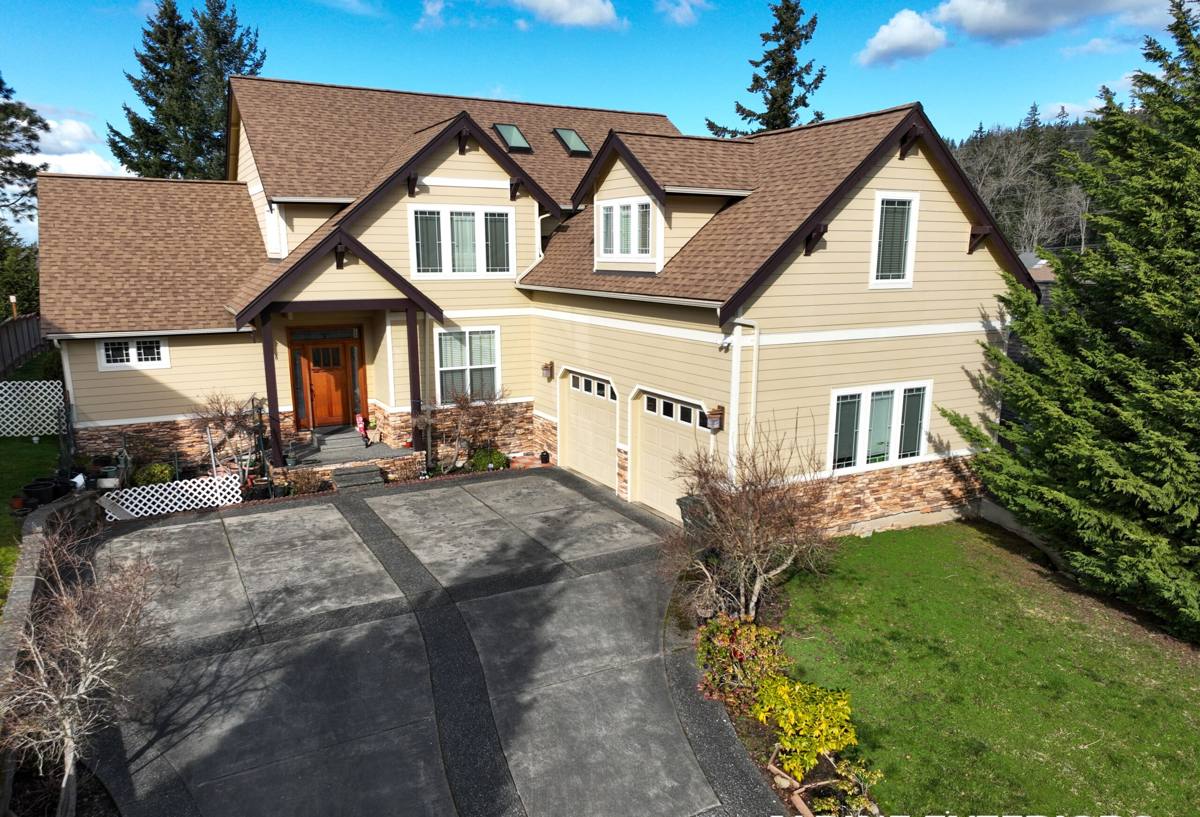
What Actually Wears Down a Roof in This Climate
Year-Round UV and Heat
Florida's UV load ranks among the highest in the country, and unlike a lot of climates, there's no real winter break from it here. Shingles lose granules and oils over time from constant sun exposure, and the attic underneath bakes for months on end, which accelerates the aging of underlayment and decking from below as well as above. A roof that would last a full service life in a milder climate often shows granule loss, curling, or brittleness noticeably earlier in Bradenton.
Wind-Driven Rain
Ordinary rain falls mostly straight down. Wind-driven rain during storms and heavy squalls gets pushed sideways and even upward under shingle tabs and around flashing, reaching points a roof's design normally treats as protected. This is the mechanism behind a lot of "mystery leaks" that show up well after a storm has passed — water found a small gap during wind-driven conditions and worked its way in gradually rather than all at once.
Hurricane-Force Wind Loads
Manatee County sits in a hurricane-exposed part of the state, and the wind isn't just a once-a-year risk factor — it's a structural design condition every roof replacement here has to be built around. Fastening pattern, flashing detail, and how well the roof deck itself is attached to the framing all matter more in a wind event than shingle brand does. A roof that looks fine from the ground can still have marginal wind performance if it wasn't fastened correctly the first time.
Salt Air and Humidity
Bradenton's proximity to the Gulf means salt-laden air moving inland regularly, not just during storms. That air accelerates corrosion on exposed metal — flashing, fasteners, vent stacks, and drip edge — well before the roofing material itself is due for replacement. Combined with Florida's humidity, it also creates conditions where algae and moss growth on shaded, north-facing roof planes is common, which is more than a cosmetic issue if left unaddressed for years.
Signs a Southgate Roof Has Reached Replacement, Not Repair
Not every roof problem calls for a full replacement, and a straight contractor will tell you when repair is the more sensible option. But certain signs point toward replacement being the honest recommendation:
- Shingles that are curling, cupping, or losing granules across large sections of the roof, not just one isolated area
- Multiple past repairs in different areas, suggesting the roofing system as a whole is aging out rather than dealing with a single localized issue
- Soft or spongy decking found during an inspection, indicating moisture has been getting into the plywood or board sheathing underneath
- A roof nearing or past the expected service life of its material, especially if it's never been fully replaced since the home was built
- Visible daylight through the attic decking, or recurring leaks in more than one location
- Missing or lifted shingles after storm events that keep recurring in the same general areas, pointing to a fastening or flashing issue rather than a one-time storm fluke
- Granules consistently collecting in gutters, a sign the shingle surface is breaking down faster than it should
If a roof shows a few of these signs rather than just one, that's usually a good indication the system as a whole — not just a section of it — has reached the end of its useful life.
Choosing a Roofing Material That Actually Holds Up Here
Material choice affects storm performance, heat behavior, and long-term maintenance differently, and the right answer depends on budget, how long you plan to stay in the home, and how much upkeep you want to take on.
| Material | Wind & Storm Performance | UV & Heat Behavior | Typical Maintenance |
|---|---|---|---|
| Architectural (laminate) asphalt shingles | Good, with proper fastening and rated products; the most common choice for this area | Holds up well; algae-resistant granule options help with humidity-driven staining | Moderate — periodic inspection, especially after storm season |
| 3-tab asphalt shingles | Lower wind resistance than architectural shingles; shorter realistic lifespan here | Wears faster under sustained UV exposure than architectural profiles | Higher relative to cost — shorter service life |
| Standing seam metal | Excellent wind uplift resistance when properly installed and fastened | Reflects heat well; minimal degradation from UV over time | Low — mainly periodic fastener and seam checks |
| Concrete or clay tile | Strong wind performance when correctly fastened, but individual tiles can crack from impact | Very durable under UV and heat | Moderate — underlayment beneath tile has its own service life and eventually needs attention independent of the tile itself |
We don't push one material as universally "best." A well-installed architectural shingle roof, correctly fastened and flashed for this climate, is a sound and cost-effective choice for most Southgate homes. Metal and tile carry higher upfront costs but different long-term maintenance and lifespan profiles — we'll walk through the honest trade-offs for your specific roof and budget rather than defaulting to whichever product carries the best margin.
What a Correct Roof Replacement Involves
Full Tear-Off and Decking Inspection
A correct replacement starts with removing the existing roofing down to bare decking, not roofing over what's already there. That's the only way to actually see the condition of the plywood or board sheathing underneath, since damaged decking is often invisible from above until the old material comes off. Any soft, delaminated, or water-damaged decking gets replaced before anything new goes on — installing new roofing over compromised decking just locks a problem underneath a new surface.
Underlayment and Secondary Water Barrier
Given how often wind-driven rain is a factor here, underlayment isn't a place to cut corners. A full synthetic underlayment, along with self-adhered ice-and-water shield style membrane at eaves, valleys, and roof penetrations, gives the roof a real second line of defense if wind ever drives water past the primary roofing material. This detail matters more in Bradenton than it does in a climate without regular wind-driven rain events.
Fastening and Flashing to Code
Wind performance comes down to details most homeowners never see once the job is done — nailing pattern and fastener count, how the decking is attached to the framing, and how flashing is installed at every roof-to-wall intersection, chimney, and vent penetration. These are done to current Florida Building Code wind-load requirements, not a generic national minimum, because that's what the storms this area actually sees call for.
Ventilation
Proper intake and exhaust ventilation keeps attic temperatures and moisture in check, which matters in a climate where the attic bakes for most of the year. Poor ventilation shortens the life of both the roofing material and the decking underneath it by trapping heat and humidity that have nowhere to go. We check existing ventilation as part of every replacement and correct it where it's inadequate.
Permitting, Code, and Insurance Considerations in Manatee County
Roof replacements in Manatee County require a building permit, and the work has to meet current Florida Building Code wind-load and fastening requirements for the wind zone the property sits in. We handle the permitting process as part of the job rather than leaving it to the homeowner to navigate.
A full roof replacement also typically qualifies a home for an updated wind mitigation inspection, which documents features like roof deck attachment, roof shape, and secondary water barrier for insurance purposes. That inspection can affect homeowner's insurance premiums, since insurers price coverage partly based on how well a roof is documented to resist wind. We can't quote what your specific savings would be — that's between you and your insurer — but we make sure the new roof is installed in a way that gives you the strongest documentation to work with when you get that inspection done.
How Our Replacement Process Works
- Inspection and assessment. We look at the roof from the ground and, where safely possible, up close — age, material condition, decking indicators, ventilation, and flashing detail.
- Written estimate. A clear scope of work covering material, tear-off, underlayment, decking allowance, flashing, and permit costs, so you know what's included before work starts.
- Material selection. We walk through the honest trade-offs between shingle, metal, and tile options for your home and budget.
- Permitting. We pull the required Manatee County building permit before work begins.
- Tear-off. Full removal of the existing roofing down to bare decking, with the property protected during the process.
- Decking repair. Any damaged sheathing found once the old roofing is off gets replaced and documented before we move forward.
- Underlayment, flashing, and installation. Installed to current code and manufacturer specifications, with fastening patterns matched to this area's wind requirements.
- Final walkthrough and cleanup. We review the finished roof with you, answer questions, and make sure the site is cleared of debris and fasteners.
Why Hiring a Crew That Already Works Southgate Matters
A roofing crew that mostly works other parts of the country, or even other parts of Florida, can still do competent work here — but a Southgate roof replacement has variables that come up regularly on established, tree-shaded lots in this part of Bradenton: decking that's often original to an older build, ventilation that may not meet current standards, and mature landscaping that has to be protected during tear-off and material staging. Working this neighborhood regularly means we're not guessing at those variables or figuring them out mid-project. We know what fastening and flashing detail actually holds up against Gulf Coast wind, and we know how Manatee County permitting works for a replacement of this scope, because we've handled it on homes like yours before.
That familiarity also shows up in the estimate itself — a more accurate first number, with fewer surprises once tear-off reveals what's actually underneath the old roof.
Get a Straight Look at Your Roof
Whether your roof is showing clear signs of age, took damage in a recent storm, or you just want an honest opinion on where it stands, we're glad to take a look and tell you plainly what we find — including if the answer is that repair, not replacement, is the right call for now. Use the form below to schedule a free, no-pressure estimate.