 Bradenton Siding
 Fiber Cement Siding for Tara Homes
Tara is an established residential community on Bradenton's east side, part of Manatee County, made up mostly of single-family homes built over the last few decades. Like the rest of the Bradenton area, it sits squarely in a climate that's hard on exterior building materials: hurricane-force wind loads during storm season, intense UV exposure nearly every day of the year, wind-driven rain that gets pushed sideways into wall assemblies rather than falling straight down, and salt-tinged air that reaches inland communities like Tara even though they're set back from the immediate waterfront. None of that is unusual for this part of Florida, but it does mean siding that isn't matched to the climate tends to show problems years earlier than it should.
We install James Hardie fiber cement siding exclusively for homes in Tara and across our Bradenton service area. This page covers what Tara homes actually need from their siding given the local climate, what a correct fiber cement installation involves, how our process works, and why hiring a crew that already works this community matters more than it might seem.
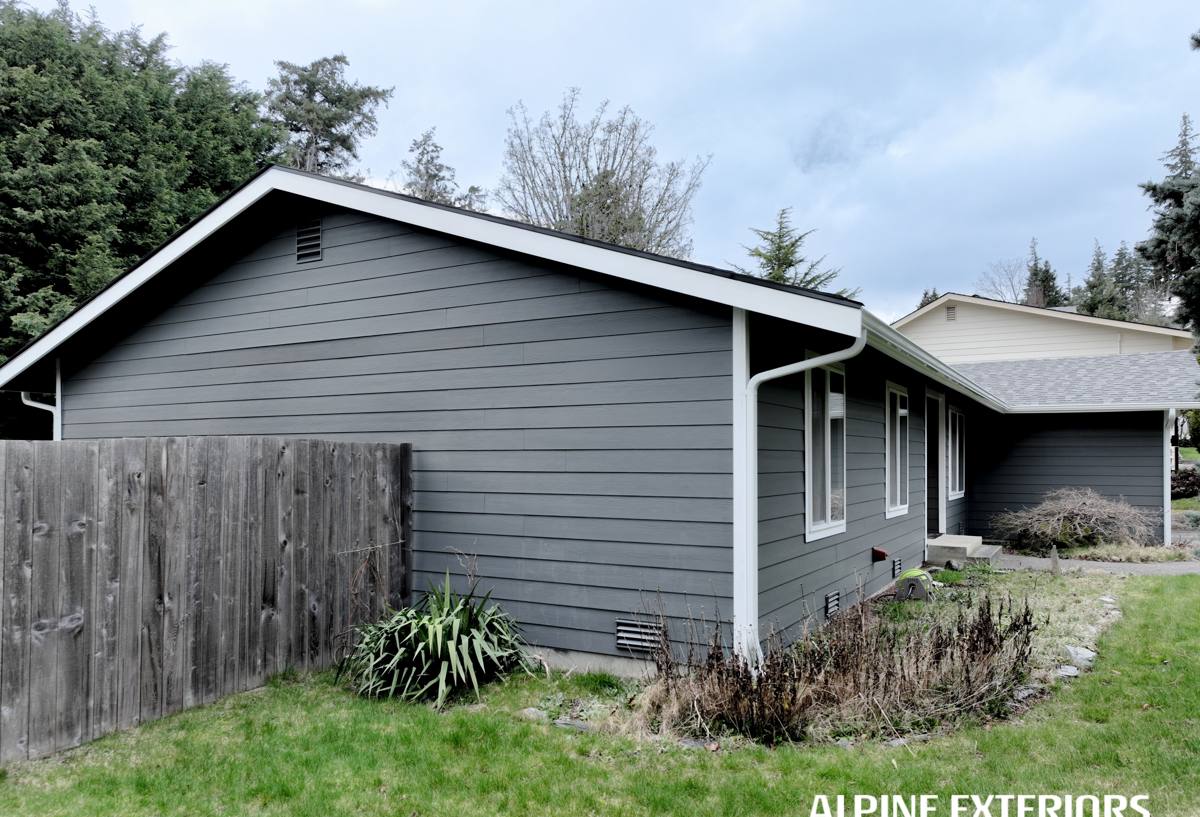
What Bradenton's Climate Does to Siding in Tara
Hurricane-Force Wind
Wind load is a real design condition here, not a rare event to plan around only occasionally. Siding has to stay fastened and intact under sustained high winds and wind-borne debris, and the fastening pattern and clearances used during installation matter as much as the material itself. A product that's rated for wind resistance on paper can still underperform if it wasn't installed to the spec that makes that rating meaningful.
Intense, Year-Round UV
Florida gets more direct sun exposure across more months than most of the country, and siding takes that load on every south- and west-facing wall without much relief. UV breaks down pigments and surface coatings over time, which is why field-applied paint on wood or engineered wood siding tends to chalk, fade, and need repainting on a cycle that a lot of homeowners find frustrating. Siding finish matters as much as siding substrate in a climate like this.
Wind-Driven Rain
Rain in Manatee County rarely falls straight down during a storm — wind pushes it sideways into lap joints, trim, and any gap in a wall assembly that isn't detailed correctly. This is a different and more demanding load than a simple annual rainfall total suggests, and it's one of the more common reasons siding installed without attention to flashing and lapping detail starts leaking well before the material itself has worn out.
Salt Air, Even This Far Inland
Tara sits further from the Gulf and Tampa Bay than Bradenton's waterfront neighborhoods, so the salt exposure isn't as constant or severe as it is on a barrier island. But Manatee County's onshore winds still carry salt-tinged air well inland, and it accelerates corrosion in fasteners, flashing, and lower-grade hardware over time even where it isn't obvious to the eye. Ignoring that factor because a home isn't waterfront is one of the more common ways a siding job in this part of the county ages faster than expected.
Why We Only Install James Hardie Siding
We don't offer a menu of siding brands. That's a deliberate professional standard, not a limitation we're apologetic about, and it came from years of seeing which materials actually hold up in this climate and which ones create ongoing maintenance and moisture problems for homeowners.
- Non-combustible core: Fiber cement doesn't feed a fire the way wood-based siding products can, which matters for household safety and can matter for insurance underwriting as well.
- Factory-applied ColorPlus finish: The color is baked on under controlled factory conditions in multiple coats rather than brushed on in the field, so it resists the fading and chalking that intense Florida UV causes in field-applied paint far longer.
- HZ5 climate engineering: James Hardie manufactures siding in regional formulations, and the product specified for Gulf Coast Florida is built for high-humidity, high-moisture-exposure conditions — a meaningfully different product than versions sold in drier, more inland climates.
- Dimensional stability: Fiber cement doesn't swell, cup, or warp the way wood or engineered wood siding can after repeated humidity cycling and wet-season moisture exposure.
- Strong transferable warranty: Hardie backs its products with one of the more robust warranty structures in the industry, provided the installation follows manufacturer specification.
We won't install LP SmartSide, vinyl siding, Cemplank, Allura, primed spruce, or cedar. Each of those has a legitimate place in the market and plenty of homeowners are satisfied with them. But for a climate that combines hurricane wind exposure, sustained UV, and humidity the way Manatee County does, we made a professional call that one system we can fully stand behind is worth more than offering a lower-cost option that quietly shifts maintenance and moisture risk onto the homeowner down the road.
Vinyl and Engineered Wood, Specifically
Vinyl siding can soften, warp, or crack under sustained direct sun in a climate this intense, and it isn't rated for the wind loads Bradenton building codes account for in the same way fiber cement is. Engineered wood products like LP SmartSide use an OSB-based substrate that's more sensitive to sustained moisture exposure than fiber cement, which matters in a region where humidity and wind-driven rain are a near-constant factor rather than an occasional one. We'd rather explain that trade-off honestly than sell a product we don't think performs as well here.
What a Correct Fiber Cement Installation Involves
The material is only half the equation. A James Hardie installation that actually performs the way the product is engineered to requires manufacturer-specified fastening patterns, correct clearances from grade, roof lines, and other transitions, properly lapped and sealed joints, and house wrap and flashing details that work with the siding system rather than against it.
Fastening and Clearances
Fastener spacing, type, and depth all affect how well the siding holds up to wind uplift, and clearance from grade, decks, and roof lines affects how much wind-driven rain and splash-back the bottom courses are exposed to. Both are spelled out in Hardie's installation specification, and skipping them is one of the more common ways a correctly manufactured product ends up performing poorly on the wall.
Joints, Laps, and Seams
Every horizontal lap and vertical joint is a potential entry point for wind-driven rain if it isn't detailed correctly. Correct overlap, proper caulking or the use of Hardie's recommended joint treatments, and attention to how trim meets the field material all matter more in a climate where rain rarely falls straight down.
Moisture Management Behind the Siding
House wrap, flashing at windows and doors, and drainage planes behind the siding do most of the real work of keeping a wall assembly dry, and siding is really just the outermost layer of that system. A correctly installed weather-resistive barrier and flashing sequence matters as much in Tara as the visible siding material itself, and it's the piece that's easiest for an inexperienced crew to rush.
How Our Process Works
We start with an in-person inspection of the home — existing siding and substrate condition, trim and flashing details, sun exposure by wall orientation, and any moisture or storm damage that's already present. From there we talk through product selection: which HardiePlank profile, trim package, and ColorPlus color fit the home and the budget.
Once a scope is set, tear-off (when needed) reveals what's actually happening behind the old siding, which is often more informative than what's visible from the outside. Substrate repairs happen before anything new goes up. Installation follows the sequence above — house wrap and flashing first, then the field material, fastened and lapped to manufacturer spec, then trim and detail work. We finish with a walkthrough so you know exactly what maintenance the finished job actually needs, which with Hardie is minimal but not zero.
Fiber Cement Siding Cost Factors in Tara
| Factor | What It Affects | Why It Matters in Tara |
|---|---|---|
| Home size and wall complexity | Total material and labor | More corners, dormers, and trim mean more joints where wind-driven rain can intrude |
| Tear-off vs. overlay | Labor scope and substrate access | Tear-off exposes hidden moisture or fastener corrosion common on older homes in this climate |
| Substrate condition | Repair costs before new siding goes on | Years of humidity and wind-driven rain intrusion can damage sheathing behind failing siding |
| Product line and profile | Material cost and finish longevity | HZ5-rated HardiePlank and ColorPlus finish hold up better against UV and humidity than lower-grade alternatives |
| Trim and color selection | Material cost and appearance | Factory-cured finishes resist fading under Florida's UV load far longer than field-applied paint |
| Site access | Labor time and equipment needs | Larger Tara lots and mature landscaping can add setup and staging time |
Exact numbers depend on the specific home, which is why we walk the property in person before giving a real estimate instead of quoting off a generic price sheet.
Signs a Tara Home's Siding Needs Attention
- Soft or spongy siding, particularly low on the wall or around window and door trim
- Peeling, bubbling, or chalking paint on wood or engineered wood siding
- Visible warping, cupping, or gaps opening up at seams and trim joints
- Cracked or missing sections after a storm or wind event
- Fading or color inconsistency that's noticeably worse than when the siding was installed
- Rising energy bills that may point to a wall assembly no longer sealing properly
Why a Crew That Already Works Tara Matters
A crew that works across Bradenton and Manatee County regularly sees how hurricane wind loads, UV, and wind-driven rain actually behave on real homes over full storm seasons, not just how a product performs on a manufacturer's spec sheet. That experience shapes practical decisions on install day — where extra flashing attention pays off, which wall orientations take the worst sun and rain exposure, and which details are worth the extra time so a homeowner isn't dealing with a callback after the next named storm. Tara's mix of established homes and mature landscaping means those details aren't identical to every Bradenton neighborhood, and a crew with local experience accounts for that rather than applying the same approach everywhere.
Get a Free, No-Pressure Estimate
If your Tara home needs new siding, repair work, or an honest opinion on what's actually going on with an aging wall, we're glad to take a look. Use the form below to schedule a free estimate — no pressure, no upsell script.