 Bradenton Siding
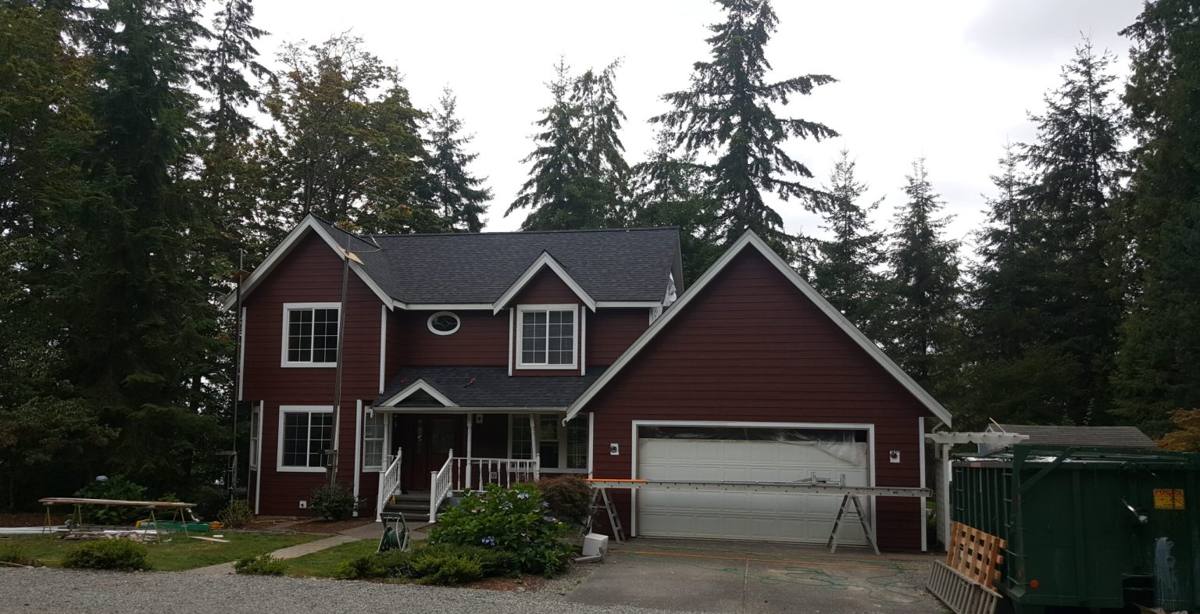
 Board & Batten Siding Built for Village of the Arts
Village of the Arts is one of the more distinctive pockets of Bradenton — a walkable, close-knit district of older cottages and bungalows, many of them converted into studios and galleries, sitting on smaller lots with houses set close together. That architectural character is exactly where board and batten siding earns its keep. The vertical lines and shadow reveals suit cottage-style and bungalow homes far better than a wide lap profile, and it reads as intentional rather than generic. But the same qualities that make this neighborhood visually appealing — older homes, tight setbacks, a mix of original and renovated exteriors — also mean siding decisions here need to account for what's already on the house and what the building has been through over the decades.
What Manatee County's Climate Does to Vertical Siding
Board and batten is less forgiving of poor material choice and sloppy installation than standard lap siding, mainly because of how it's built: panels or boards, vertical battens over the seams, and a lot more fastener and joint area exposed to the weather. In this part of Florida, that assembly gets tested constantly.
Sun and UV Load
Bradenton sees intense, near year-round UV exposure. Paint and coatings on wood-based or engineered vertical siding chalk, fade, and break down faster here than in milder climates, and once a coating starts failing on a batten edge, moisture gets a foothold underneath it.
Wind-Driven Rain
Afternoon storms in Manatee County don't just fall — they're pushed sideways into walls by wind. Board and batten has more vertical seams than horizontal lap siding, and every one of those seams is a potential entry point if the batten spacing, fastening, and underlying water-resistive barrier weren't detailed correctly.
Salt Air
Bradenton's proximity to the Manatee River and the Gulf means a steady low-level dose of salt in the air, even away from the immediate waterfront. Salt accelerates corrosion on fasteners and trim metal and speeds up the breakdown of coatings that aren't built to handle it.
Hurricane-Force Wind
Every board and batten installation on this coast has to hold up under real storm wind loads, not just everyday breeze. Panels and battens that aren't fastened to spec can work loose, and once wind gets behind a panel edge, it can peel siding off in a single event.
Why Board & Batten Fails Early When It's Done Wrong
Most of the board and batten problems we see on older Bradenton homes trace back to a handful of installation shortcuts, not the concept of vertical siding itself:
- Battens face-nailed directly through both layers into sheathing without room for the panel underneath to expand and contract
- No consistent gap left at panel seams, so the assembly has nowhere to move as temperatures and humidity swing
- Missing or poorly lapped water-resistive barrier behind the panels, so any water that gets past the battens has nowhere to drain
- Caulk used as the primary defense against water intrusion instead of proper flashing and drainage
- Battens and panel edges left unpainted or uncoated at cut lines, which is exactly where wood-based products start absorbing moisture first
None of this shows up on day one. It shows up two, five, or ten years later as soft spots at the base of battens, staining at seams, or paint that won't hold no matter how often it's redone.
Our James Hardie Board & Batten System
We install James Hardie fiber cement exclusively, and for vertical applications that means Hardie panel and batten systems finished with factory-applied ColorPlus coating. A few reasons this matters specifically for a board and batten job:
Fiber cement doesn't absorb water the way wood or wood-based composite panels do, so it doesn't swell, cup, or rot at the batten edges the way organic materials eventually will in a humid coastal climate. It's non-combustible, which matters on a street where homes sit close together. And because the color is baked on at the factory rather than field-applied, the battens and panels age together instead of the battens weathering faster than the panel underneath — which is a common look on older wood board and batten homes in this area.
We're not going to pretend fiber cement is the only material that can be cut into a board and batten profile — wood and engineered wood can too. But we've standardized on Hardie because, installed correctly, it holds up to Bradenton's sun, rain, and salt air with meaningfully less maintenance and less risk of the moisture problems that shorten the life of organic siding materials.
Material Comparison for Vertical Siding
| Material | UV / Sun Exposure | Moisture & Rot Risk | Wind Performance When Installed to Spec | Ongoing Maintenance |
|---|---|---|---|---|
| James Hardie fiber cement | Factory ColorPlus finish resists fading and chalking | Does not absorb water like wood; low rot risk | Engineered and rated for high-wind installation | Occasional wash; no repainting cycle with ColorPlus |
| Untreated or primed wood | Coatings degrade quickly under intense UV | Absorbs moisture at seams and cut edges; rot-prone | Depends heavily on fastening quality | Regular repainting and caulk maintenance |
| Engineered wood siding | Moderate; coating quality varies by brand | Vulnerable if edges aren't sealed and maintained | Can perform well when installed per manufacturer spec | Field-applied finish needs periodic upkeep |
| Vinyl board and batten | Can fade and become brittle under prolonged sun | Doesn't rot, but can warp or crack in heat | Lighter panels more prone to wind damage in gusts | Low upkeep but limited repair options if damaged |
What a Correct Installation Actually Involves
Board and batten is a system, not just a look, and every layer matters:
- Substrate inspection — checking the sheathing underneath existing siding for water damage before anything new goes up, especially important on older Village of the Arts homes where the current exterior may be original or partially renovated.
- Water-resistive barrier — a continuous, properly lapped barrier behind the panels so any incidental moisture drains down and out rather than pooling behind the siding.
- Flashing at every penetration — windows, doors, hose bibs, vents, and any other wall penetration get flashed before panels go on, not caulked after.
- Panel gapping — consistent gaps at panel seams per Hardie's fastening specifications, so the material can expand and contract without buckling.
- Batten fastening — battens fastened correctly into framing at the spacing Hardie's installation instructions call for, not just wherever studs happen to line up.
- Corner and trim detailing — clean, properly flashed corners and trim boards, which is where a lot of vertical siding installations start looking sloppy if rushed.
- Caulk as backup, not primary defense — sealant used to finish joints that are already properly flashed and lapped, never as the only thing standing between the wall and the weather.
Our Process for Village of the Arts Homeowners
We keep the process straightforward because most of the value is in the details, not the sales pitch:
Assessment. We look at the home's current siding condition, the underlying sheathing where it's accessible, and the architectural style of the house to confirm board and batten is the right call and where it should be used.
Estimate and product selection. We walk through Hardie panel and batten options and ColorPlus color choices suited to the home's style and the neighborhood's mixed cottage-and-bungalow character.
Prep and protection. Landscaping, walkways, and neighboring structures get protected before removal starts — a real consideration on the tighter lots common in this part of Bradenton.
Installation. Barrier, flashing, panels, and battens installed to manufacturer spec, with attention to the wind-load fastening this coast requires.
Final walkthrough. We review the finished job with the homeowner before calling it complete, and cover Hardie's warranty coverage in plain terms.
Maintenance Checklist for Board & Batten in This Climate
- Rinse siding periodically to clear salt residue and airborne grit, especially on sides of the house facing prevailing wind
- Inspect caulk lines at trim and penetrations once a year and before hurricane season
- Watch for staining or discoloration at the base of battens, which can signal a drainage issue behind the siding
- Keep sprinklers and irrigation aimed away from the wall line
- Trim back vegetation that holds moisture against the siding
- After any major storm, do a quick visual check for loose panels, battens, or trim
Why a Crew That Already Works This Neighborhood Matters
Village of the Arts isn't a typical subdivision. Homes here vary in age and prior renovation history, lots are tighter, and neighboring structures are often close enough that job-site setup and material staging take more planning than on a standard suburban lot. A crew that's already worked in this district knows to expect older sheathing conditions behind existing siding, understands how to sequence work around close-set neighboring homes, and is used to coordinating with Bradenton's permitting process for exterior work on established properties. That familiarity translates into fewer surprises mid-project and a cleaner result on a home that's part of a neighborhood people notice.
If you're considering board and batten siding for a home in Village of the Arts, we're happy to take a look and give you a straightforward, no-pressure estimate — just fill out the form below.