 Bradenton Siding
 Why Village of the Arts Homes Need a Roof Built for This Climate
Village of the Arts sits close to downtown Bradenton, and like most of that older part of the city, its homes are a mix of vintage bungalows, mid-century cottages, and smaller infill houses that have been renovated and re-renovated over the decades. A lot of that housing stock is older than the roofing products we install today, which means the roof deck underneath is sometimes carrying more history than the shingles on top let on. Any roofing work here has to account for that, not just for what's visible from the street.
Manatee County sits in a stretch of Florida that gets hit from every direction: hurricane-force wind gusts and wind-driven rain during storm season, months of intense, direct UV exposure the rest of the year, and a steady dose of salt-laden air coming off the nearby coastline. None of those is occasional here — they're baseline conditions a roof has to handle every single year, and each one attacks a roof differently. UV breaks down organic roofing materials from the top down. Salt air corrodes exposed metal and fasteners from the outside in. Wind finds every loose edge, lifted shingle, or under-fastened panel and turns it into the first point of failure.
A roof that's a good fit for Village of the Arts has to shrug off all three at once, on a house that may not have a perfectly square deck or standard modern framing. That's a different job than roofing a new-construction subdivision, and it's why we treat every metal roof estimate here as its own project rather than a copy-paste quote.
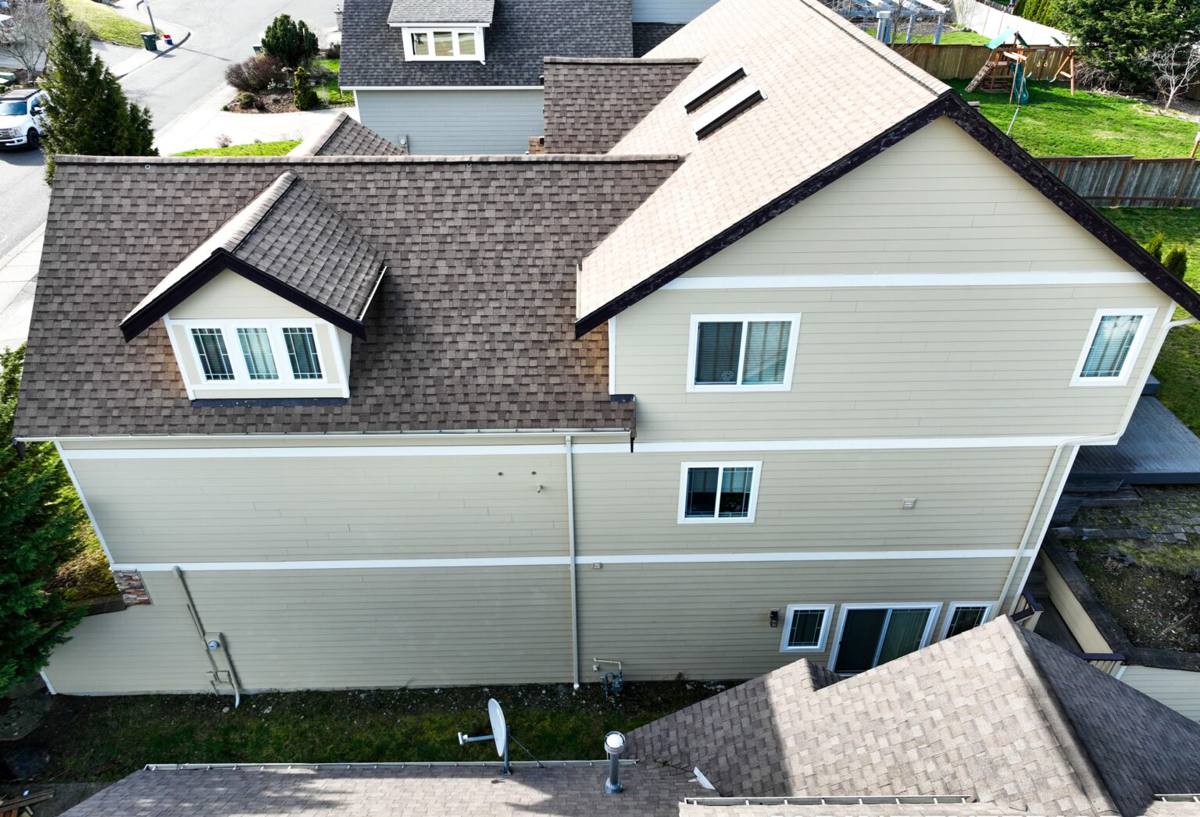
Why Metal Roofing Fits This Neighborhood Well
Metal roofing has earned its reputation in coastal Florida because it answers the specific problems this climate creates. A correctly installed metal roof handles high wind uplift better than most other roofing materials when it's fastened and detailed to code. It doesn't absorb water the way some materials do, which matters when wind-driven rain is being forced sideways under a roofline during a storm. And it reflects a large share of the sun's heat rather than soaking it in, which helps with attic temperatures and cooling costs through a Bradenton summer.
There's also a character fit worth mentioning. Village of the Arts is a neighborhood where individual homes have personality — colorful facades, artist studios, older architectural lines that owners have deliberately preserved rather than flattened into something generic. Metal roofing comes in profiles and finishes that can either blend quietly into a historic-style roofline or read as a clean, modern statement, so it doesn't force a house into looking like every other roof on the block. That flexibility matters more here than in a subdivision where every home already looks the same.
None of that means metal is automatically the right call for every house or every budget. It's a premium, long-service-life product, and the value only shows up if the installation is done correctly. A poorly installed metal roof will underperform a well-installed asphalt roof, full stop — the material isn't a substitute for correct technique.
What a Correct Metal Roof Installation Actually Involves
Starting With the Deck, Not the Panels
On an older Village of the Arts home, we don't assume the roof deck is sound just because the last roof lasted. We check for soft spots, rot around old vent penetrations, and framing that's shifted over the years. Metal panels are only as good as what they're fastened to — installing a 40-year roofing product over a compromised deck just hides a problem under a better-looking surface.
Underlayment and Moisture Management
Metal roofing needs the right underlayment system underneath it, both as a secondary water barrier and, in some panel systems, to prevent the panel from sitting directly against the deck. In wind-driven rain, water can get pushed uphill and sideways under panel edges; the underlayment and flashing details are what stop that water from reaching the deck, not just the panels themselves.
Fastening and Panel Systems
How a metal roof is fastened is the single biggest factor in how it performs in a hurricane-strength gust. Exposed-fastener panels rely on screws driven through the panel face, which need periodic attention as gaskets age. Standing seam systems use concealed clips that let the panel expand and contract with temperature changes without punching new holes through the metal — a real advantage after years of Florida sun cycling the roof between hot afternoons and cooler nights.
Flashing, Penetrations, and Edges
Every place a roof isn't flat metal — chimneys, vent stacks, valleys, roof-to-wall transitions — is a place water and wind are looking for a way in. On older homes, these are often the spots where a previous roof, or a previous patch job, cut corners. We rebuild flashing at every penetration rather than reusing what's there, because reused flashing on a new roof is one of the most common causes of early leaks.
Comparing Metal Roofing Options
Not every metal roofing system fits every budget or every roofline. Here's how the common options compare for a coastal Manatee County home:
| System | Wind & Salt Air Performance | Appearance | Typical Fit |
|---|---|---|---|
| Standing seam | Concealed fasteners, strong uplift resistance, excellent long-term corrosion resistance with proper coating | Clean, modern lines; works on historic-style rooflines too | Best overall performer; higher upfront cost |
| Exposed-fastener panel | Good wind performance when installed correctly; fasteners need periodic inspection and re-sealing over time | More traditional agricultural/ranch look | Budget-conscious option; more maintenance long-term |
| Metal shingle/tile profile | Strong wind rating; interlocking design sheds wind-driven rain well | Mimics slate, shake, or tile — fits historic character | Good match for older homes wanting a traditional look with metal performance |
We'll walk through which of these actually makes sense for your roofline, your budget, and how long you plan to stay in the home — there's no single "best" system, only the best fit for your specific house.
Our Process, Start to Finish
- On-site inspection: We look at the existing roof, the deck condition where accessible, ventilation, and any problem areas specific to your home.
- Honest scope and estimate: You get a written estimate that explains what's included — deck repair if needed, underlayment system, panel type, flashing details — not just a bottom-line number.
- Scheduling around weather: Metal roofing installation is weather-sensitive; we schedule to avoid tearing off a roof with rain or high winds in the forecast.
- Tear-off and deck inspection: Old roofing comes off, the deck gets a real look, and any rot or soft framing gets addressed before anything new goes down.
- Installation: Underlayment, flashing, and panels go in per manufacturer specification and local wind-load code — not shortcuts to save a day of labor.
- Final walkthrough and cleanup: We walk the finished roof with you, and the property gets cleared of debris and fasteners before we consider the job done.
Maintenance and Longevity in Salt Air and Sun
A metal roof's long service life depends partly on the install and partly on basic upkeep. In a salt-air environment like Bradenton's, a little attention goes a long way toward avoiding early corrosion or wind damage.
- Rinse off accumulated salt residue and debris periodically, especially after storms, rather than letting it sit on the metal indefinitely.
- Have exposed fasteners (on exposed-fastener systems) checked every few years, since gaskets and washers age faster in intense UV.
- Keep gutters and downspouts clear so water isn't backing up against roof edges or fascia.
- After any major wind event, do a visual check for lifted panels, loose flashing, or debris strikes.
- Trim back overhanging tree limbs that can drop debris or hold moisture against the roof surface.
None of this is heavy maintenance — it's the kind of periodic attention that keeps a well-installed roof performing for its full expected lifespan instead of developing avoidable problems early.
Cost Factors Worth Understanding
Metal roofing costs more upfront than asphalt shingles, and the range varies by panel system, roof complexity, and how much deck repair is needed on an older home. Rather than quoting a number that won't mean much without seeing your roof, here are the factors that actually move the price:
- Panel system chosen — standing seam typically costs more than exposed-fastener panels.
- Roof complexity — valleys, dormers, and multiple roof planes take more labor and flashing than a simple gable roof.
- Deck condition — rot repair or re-decking on an older home adds cost but isn't optional if the deck is compromised.
- Tear-off scope — how many existing layers are coming off and how they're disposed of.
We put all of this in writing during the estimate, so there's no guessing about what's driving the number.
Why Hiring a Crew That Already Works This Neighborhood Matters
Village of the Arts has a distinct mix of home ages, roof pitches, and past renovation work, and a crew that's already worked in this part of Bradenton has seen how those older decks and rooflines tend to be built. That experience shows up in fewer surprises once a roof is opened up, and in flashing and detail work that's suited to the actual house rather than a one-size-fits-all approach. It also means we understand the local permitting and wind-code requirements that apply to Manatee County roofing work, so the job is done to code the first time.
If you're weighing metal roofing for a home in Village of the Arts, we're happy to take a look and give you a straight answer — including telling you if metal isn't the right fit for your budget or roofline. Reach out for a free, no-pressure estimate using the form below.