 Bradenton Siding
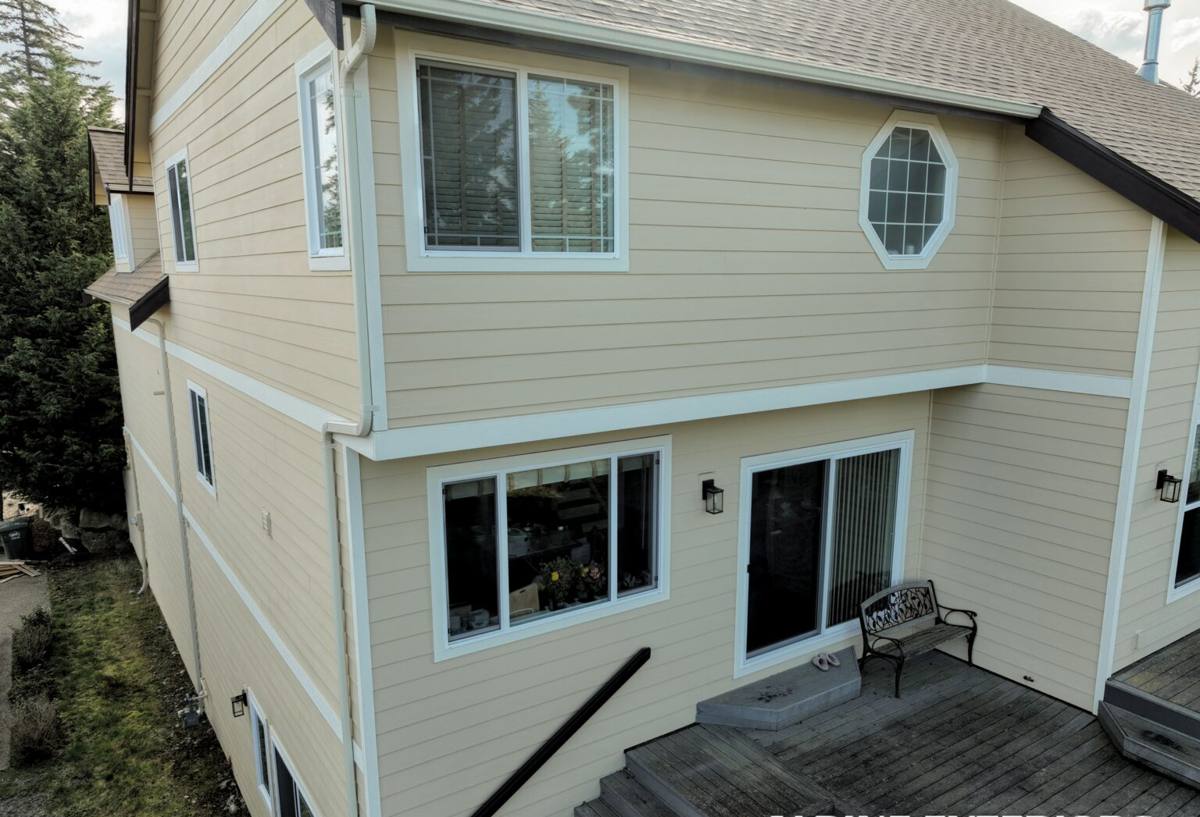
 Decks on Anna Maria Island Live a Harder Life Than Most
A deck built three miles inland in Manatee County ages differently than one built on Anna Maria Island. The island sits directly in the path of salt spray, near-constant humidity, and wind that doesn't have much to slow it down before it reaches a house. Add in Florida's UV load, which is intense even by state standards this close to open water, and you have a structure that's under attack from four directions at once: salt corrosion on metal, moisture intrusion into wood and framing, UV breakdown of surface materials, and wind load on anything not properly fastened down.
We're a Bradenton-based crew, and Anna Maria Island is part of our regular service area — not a special trip. That matters more than it sounds like it should, because deck problems on the island tend to be different from deck problems five or ten miles inland, and a crew that doesn't see barrier-island conditions regularly can miss what's actually going wrong underneath a deck that looks fine from the top.
Why "Replacement" Instead of Repair Is Often the Honest Answer
Homeowners often call us asking for a repair quote and end up learning the deck needs a full replacement. We don't push replacement to sell a bigger job — we push it when repair would just delay the same failure. On a barrier island, the reason repair often falls short comes down to what's happening below the visible boards:
- Ledger board attachment — the connection between the deck and the house is the single most safety-critical point on the structure, and it's also the point most exposed to wind-driven rain working its way behind flashing over time.
- Joist and beam condition — salt-laden humidity accelerates rot in wood framing and corrosion in metal connectors, often from the inside out, so the surface can look sound while the structural members underneath are compromised.
- Fastener and connector corrosion — standard hardware corrodes faster this close to the water, and once a connector weakens, the load has to go somewhere else in the structure, which accelerates wear elsewhere.
- Post and footing movement — sandy coastal soils and repeated wet-dry cycles can shift footings enough to throw a deck out of level over the years.
When two or more of these are compromised, patching boards on top doesn't fix the actual problem — it just covers it up for another season.
Signs You're Likely Looking at Replacement, Not Repair
- Soft or spongy spots anywhere in the decking, especially near the house or stair connections
- Visible rust streaking from fasteners or connectors
- Noticeable bounce or movement when walking across the deck
- Gaps opening up where the deck meets the house
- Railings that feel loose or flex under hand pressure
- Boards that are cupping, splitting, or have gone gray and rough despite regular cleaning
What a Correct Deck Replacement Involves Here
A deck replacement done right for island conditions isn't just swapping old boards for new ones. It starts from the structure and works outward.
Structure First
We evaluate and, where needed, rebuild the ledger connection, framing, and footings before a single new board goes down. This is the part of the job that doesn't show in a photo and doesn't get complimented by neighbors, but it's the part that determines whether the deck is still solid in ten years or needs attention again in three.
Hardware Rated for Coastal Exposure
Fasteners and structural connectors matter enormously this close to salt air. We use hardware rated for coastal and salt-exposed environments rather than standard-grade fasteners, because the cost difference up front is small compared to the cost of a corroded connector failing down the line.
Decking Material Suited to Sun and Moisture
Whether a homeowner chooses wood or composite decking, the right choice depends on how much upkeep they're willing to commit to versus how much they want the material to handle on its own. We walk through that trade-off honestly rather than steering everyone toward one product.
Wind-Rated Railing and Attachment
Railings and guardrails need to meet code for wind and load requirements, and on the island that's not a formality — it's a structure that genuinely has to hold up under real wind events, not just pass an inspection on a calm day.
Comparing Common Decking Materials for Island Conditions
| Material | UV/Salt Air Behavior | Maintenance | Typical Lifespan Here |
|---|---|---|---|
| Pressure-treated wood | Prone to graying, splitting, and cupping under intense sun and salt humidity without regular sealing | Annual cleaning and periodic sealing/staining | Shorter without upkeep; longer with consistent maintenance |
| Composite decking | Resists moisture absorption and salt corrosion well; color-stable boards handle UV better than early-generation composites | Periodic washing; no sealing or staining required | Generally longer-lived in coastal exposure with less owner effort |
| Tropical hardwoods | Naturally dense and rot-resistant, but still needs oil treatment to prevent surface graying from UV | Regular oiling to maintain appearance and prevent checking | Long-lived structurally if maintained; appearance fades faster if neglected |
None of these is a "wrong" choice — the right one depends on how the homeowner wants to spend their maintenance time and budget over the years, not just what it costs at installation.
Fasteners, Flashing, and the Details Most Quotes Skip
A lot of deck quotes only price the decking and framing lumber. The details that actually determine how long a deck lasts on Anna Maria Island are usually the ones left out of a cheap bid:
- Ledger flashing that actually sheds water away from the house rather than trapping it against the rim joist
- Coastal-rated structural screws and connectors instead of standard zinc-coated hardware
- Proper joist spacing and blocking for the specific decking material chosen, since composite and wood have different span requirements
- Stair stringer connections built to handle repeated use, not just minimum code
These items add some cost to a quote, but they're the difference between a deck that needs real attention again in five years and one that doesn't.
Our Process for an Anna Maria Island Deck Replacement
- On-site evaluation. We look at the existing deck from underneath, not just from the top, checking ledger attachment, framing condition, and footings.
- Honest scope discussion. We tell you plainly whether you're looking at a repair or a full replacement, and why, before any pricing conversation.
- Material walkthrough. We go over wood, composite, and hardware options with the real maintenance and lifespan trade-offs for island exposure, not a sales pitch toward the highest-margin product.
- Permitting. Deck replacement in Manatee County typically requires permitting, and we handle that as part of the job so you're not left tracking down inspections yourself.
- Structural rebuild. Ledger, framing, and footings get addressed to current standards before decking goes down.
- Decking, railing, and finish work. Installed with coastal-rated fasteners and attention to the details that don't show up in a walk-through but matter over time.
- Final walkthrough. We go over the finished deck with you, including basic maintenance guidance specific to whatever material you chose.
Why Local Experience on Anna Maria Island Specifically Matters
Barrier island work isn't the same as inland Bradenton or Manatee County work, and it isn't the same as coastal work everywhere else in Florida either. Site access can be tighter, some homes are older with framing quirks you don't see as often on newer inland construction, and the exposure to salt air and wind is simply more constant. A crew that works the island regularly has already seen how ledger boards fail here, how fasteners corrode here, and how quickly UV breaks down the wrong material choice here. That's not something you can fully substitute with general decking experience from other parts of the state.
Being based in Bradenton means we're not treating an Anna Maria Island job as an out-of-territory trip with a travel surcharge and unfamiliar conditions — it's part of our normal service area, and it has been for the work we do throughout Manatee County.
What Homeowners Should Ask Before Hiring Anyone for This Job
- Will you inspect the framing and footings, or only the visible decking?
- What fastener and hardware grade do you use, and is it rated for coastal/salt exposure?
- Do you pull the required Manatee County permit, and who schedules the inspections?
- What's your experience specifically with barrier island or waterfront deck work, not just decking in general?
- What does your quote include in writing — structural work, flashing, hardware grade — versus what's left as an assumption?
A contractor who answers these plainly, without dodging the framing and hardware questions, is one worth trusting with a structure your family will stand on.
If your Anna Maria Island deck is showing its age or you're not sure whether it needs repair or replacement, we're happy to take a look. The estimate is free, there's no pressure, and you'll get a straight answer about what your deck actually needs — just fill out the form below to get started.